Updated June 29, 2026 · 8 min read
By Boise Bath — bathroom & shower remodeling in Boise & the Treasure Valley
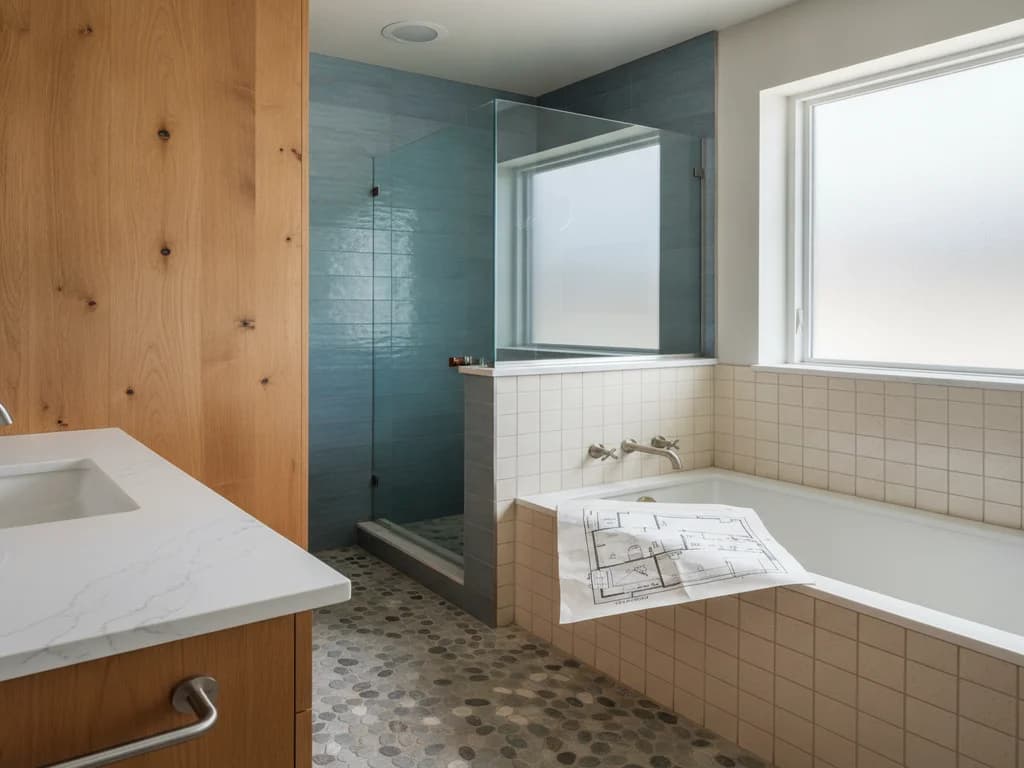
Trading a tub you never use for a shower you’ll enjoy every day is one of the most popular bathroom upgrades — but “walk-in shower” and “tub-to-shower conversion” aren’t the same project, and they don’t cost the same. One reuses your existing footprint to save money; the other can mean a larger, custom, sometimes curbless build.
There’s no single right answer. The best choice depends on your budget, how many bathrooms and tubs your home has, who lives there now (and who might buy it later), and how much maintenance you want. Below is a straight comparison with real 2026 cost ranges — including the honest counterpoint that, for resale and families, you usually want to keep at least one tub.
Key takeaways
- A tub-to-shower conversion is the budget-friendly path — it reuses the existing footprint, modernizes the space, and improves safety, with cost scaling by scope.
- A walk-in shower can mean more space, a custom look, and curbless / zero-threshold accessibility — a larger or fully tiled build is a bigger investment.
- Keep at least one bathtub in the home for resale and for families with young children — don’t convert your only tub.
- Accessibility adds safety (most bathroom injuries are falls) and recoups ~64% at resale; midrange bathroom remodels recoup ~80% (Remodeling 2025 CvV).
First, what’s the difference?
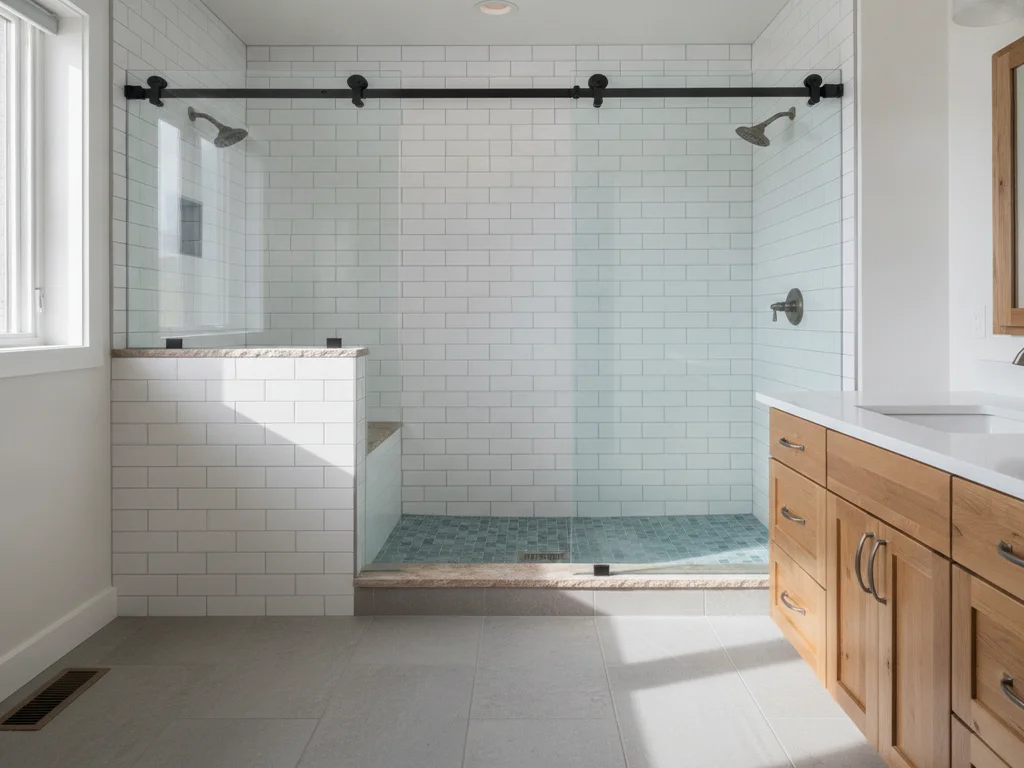
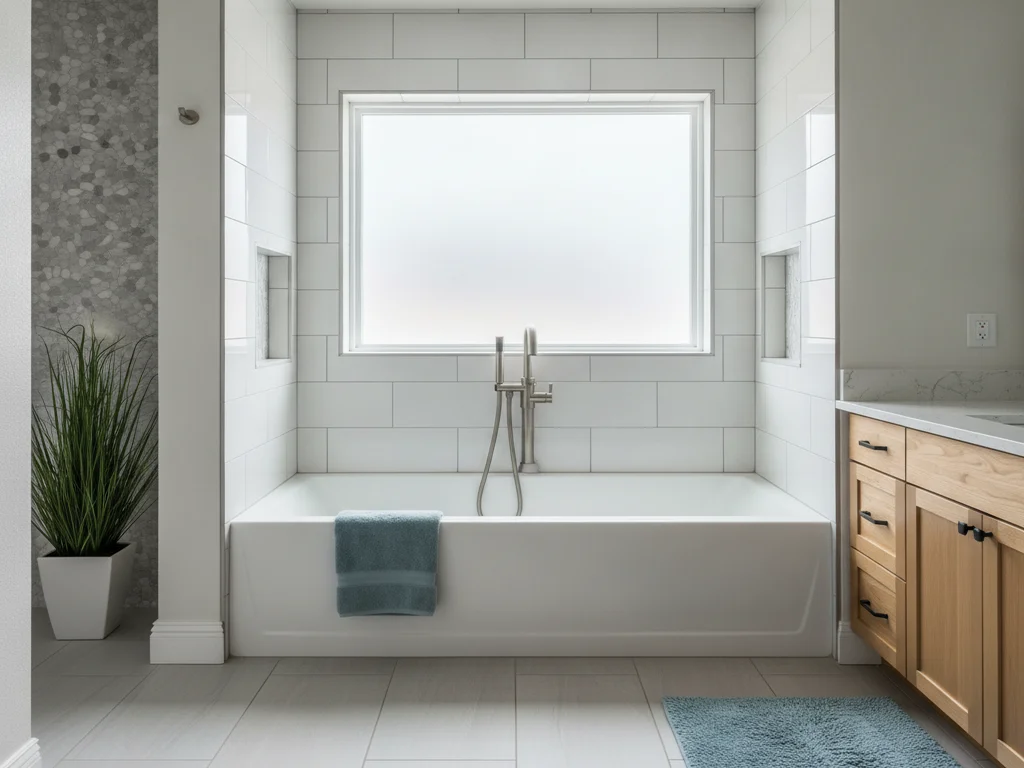
A tub-to-shower conversion removes an existing tub or tub-shower combo and replaces it with a shower in the same footprint. Because the plumbing and the opening already exist, it’s typically the lower-cost, faster path and the most common way people “lose the tub they never use.”
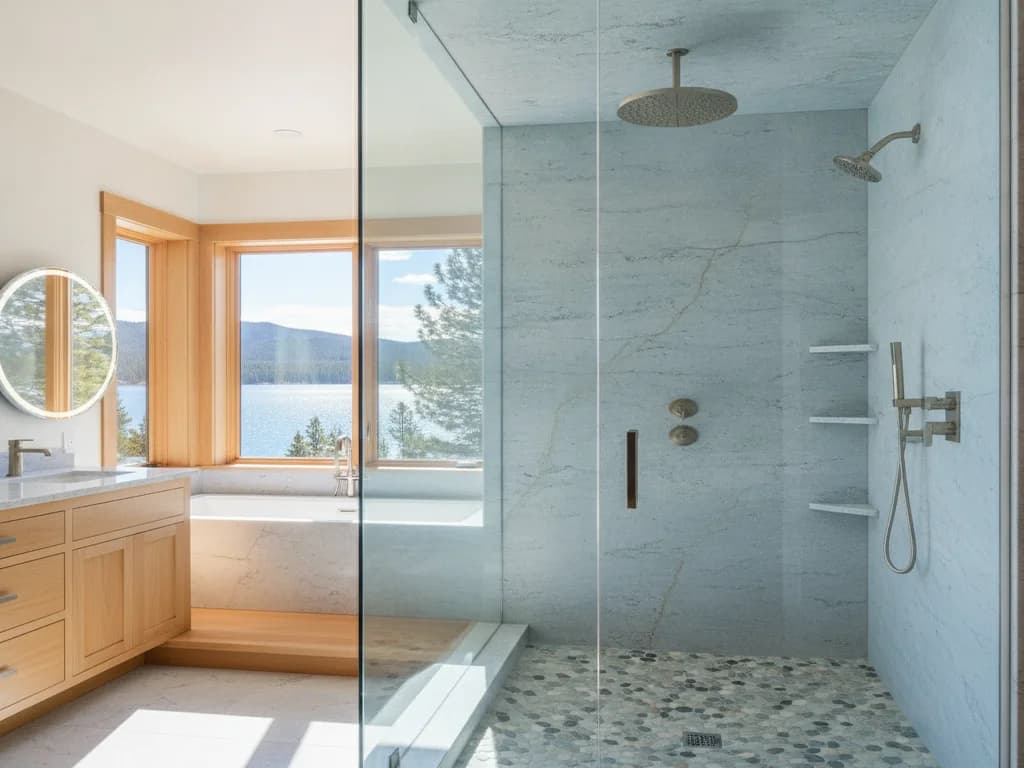
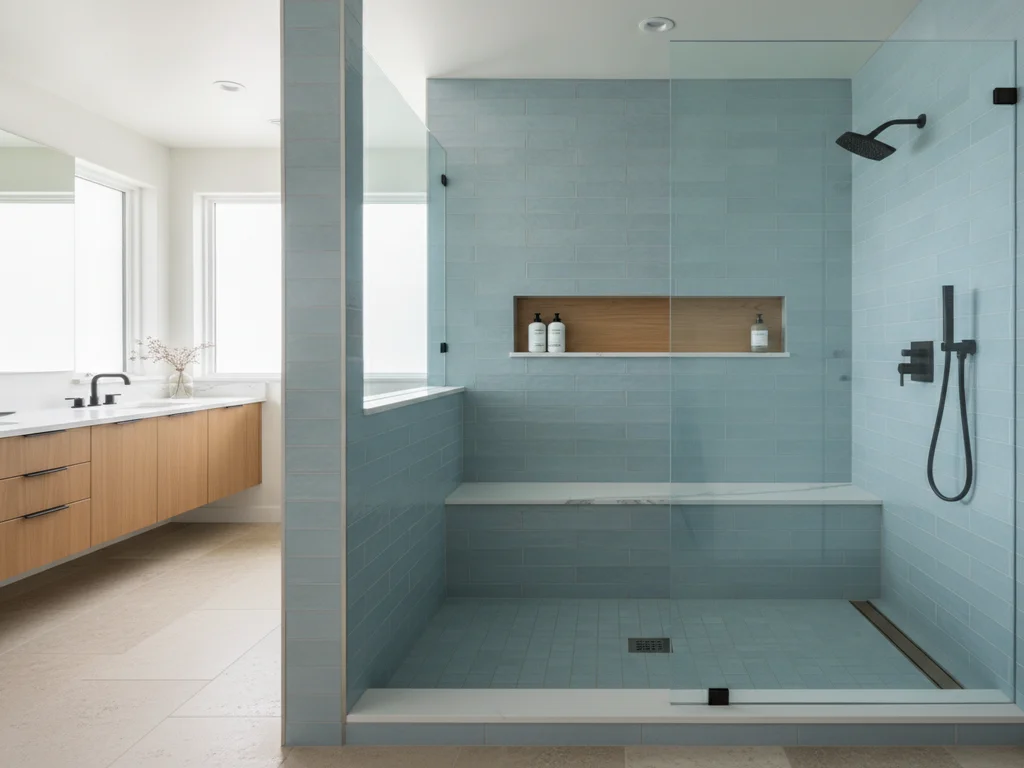
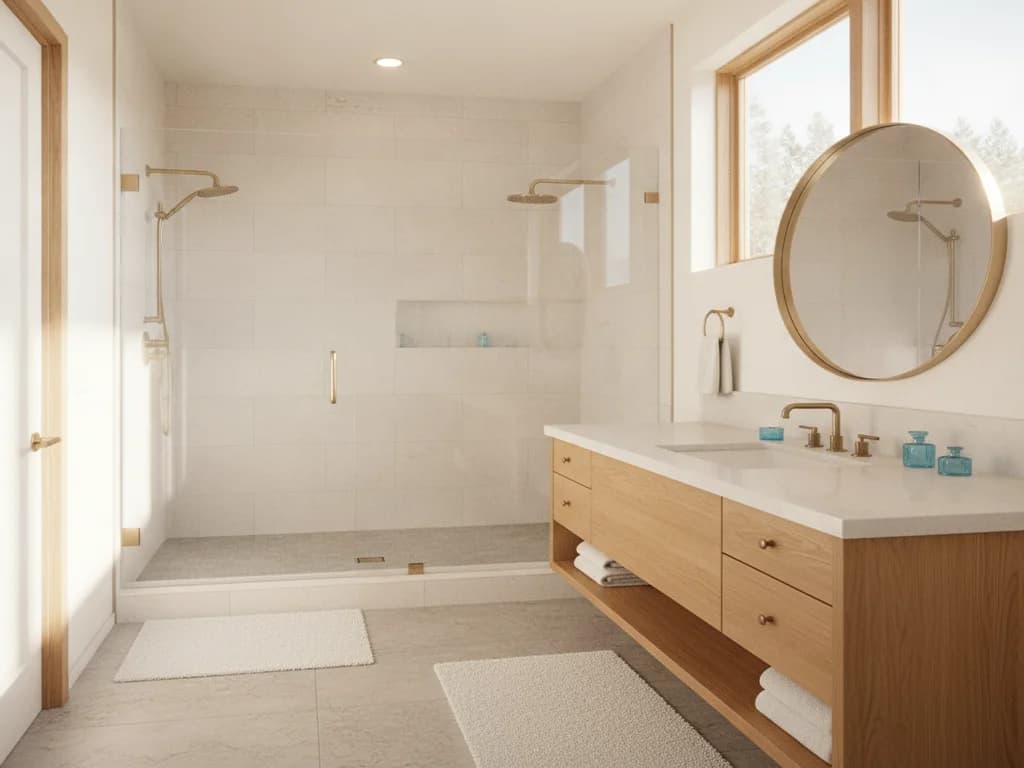
A walk-in shower is a broader category. It can be that same conversion, but the term also covers a larger, often custom shower build — sometimes curbless or zero-threshold — that may expand beyond the old tub footprint. Walk-in showers range from a simple prefab kit to a fully tiled, glass-enclosed custom build.
Side-by-side comparison
| Factor | Tub-to-Shower Conversion | Walk-In Shower |
|---|---|---|
| Relative cost | Lower — reuses the existing footprint | Higher for a larger or custom build |
| Footprint | Reuses the existing tub space | Same footprint or expanded / reconfigured |
| Speed | Faster — plumbing & opening exist | Varies; custom tiled builds take longer |
| Accessibility | Easier entry than a tub; curbless optional | Best for curbless / zero-threshold aging-in-place |
| Customization | Limited to existing layout | High — size, layout, tile, glass, bench |
| Best for | Budget-friendly modernization & safety | More space, custom look, accessible design |
Costs scale with scope and materials; published dollar ranges for these projects vary too widely to quote a single reliable figure, so we compare them in relative terms. Accessible-build figures and resale ROI in this guide are from Fixr and Remodeling’s Cost vs. Value report (see Sources). For your project, the reliable number is a fixed quote.
What it costs
Tub-to-shower conversion: usually the lower-cost path, because it reuses the existing footprint and plumbing. A prefab or acrylic swap sits at the affordable end; a custom tiled walk-in in the same space costs more. The biggest cost drivers are whether the plumbing has to move and the materials you choose.
Walk-in shower (standalone build): cost climbs with size and finish — a prefab acrylic kit is the budget option, while a full custom tiled, glass-enclosed walk-in is a larger investment, especially if it expands beyond the old footprint.
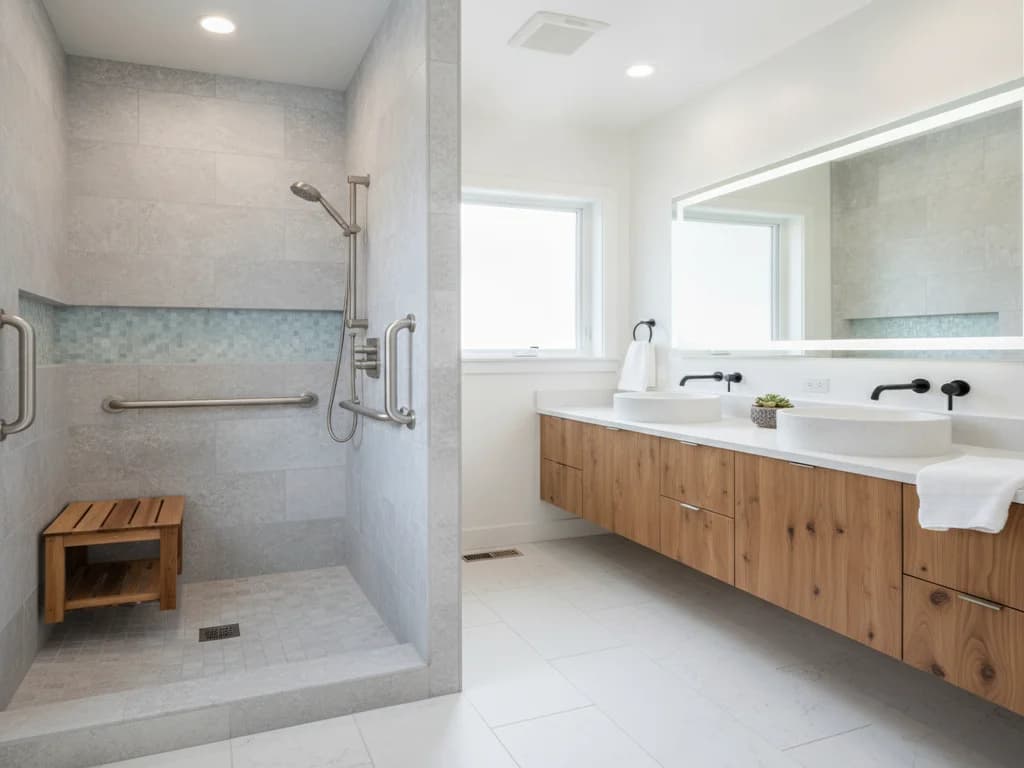
Accessible / curbless walk-in: a true aging-in-place build — zero-threshold entry, grab bars, a non-slip floor, and comfort-height fixtures — runs about $9,500 on average, with a $3,000–$15,000 range, per Fixr (2025/2026). The extras that make a shower safe and accessible are what push it toward the top of the range. For a fuller cost picture, see our Boise bathroom remodel cost guide.
When a shower wins
For most households, the daily case is practicality and safety: stepping onto a low or zero threshold is far easier and safer than swinging a leg over a tub wall. That matters more than people expect — the CDC reports that 81.1% of nonfatal bathroom injuries are falls, and roughly 37% happen while bathing, showering, or getting out of the tub.
Beyond safety, a walk-in shower or conversion usually delivers a more modern look, more usable space, and easier cleaning — especially with low-maintenance surrounds or a curbless design with no lip to scrub. And accessibility pays back at resale: accessible / Universal Design bathroom remodels recoup roughly 64% of their cost, per Remodeling’s 2025 Cost vs. Value data summarized by Fixr.
- Safer, easier entry — important for aging in place and mobility
- Modern look and a more open, usable feel
- Easier cleaning, especially curbless or grout-free surrounds
- Accessible remodels recoup ~64% of cost at resale (Remodeling 2025 CvV)
When to keep a tub (the honest counterpoint)
Removing every tub can quietly hurt your home’s value. Standard real-estate guidance holds that a home should keep at least one bathtub — ideally in a main or family bathroom — both for resale and for families who bathe small children. Many buyers with young kids will pass on a home with no tub at all.
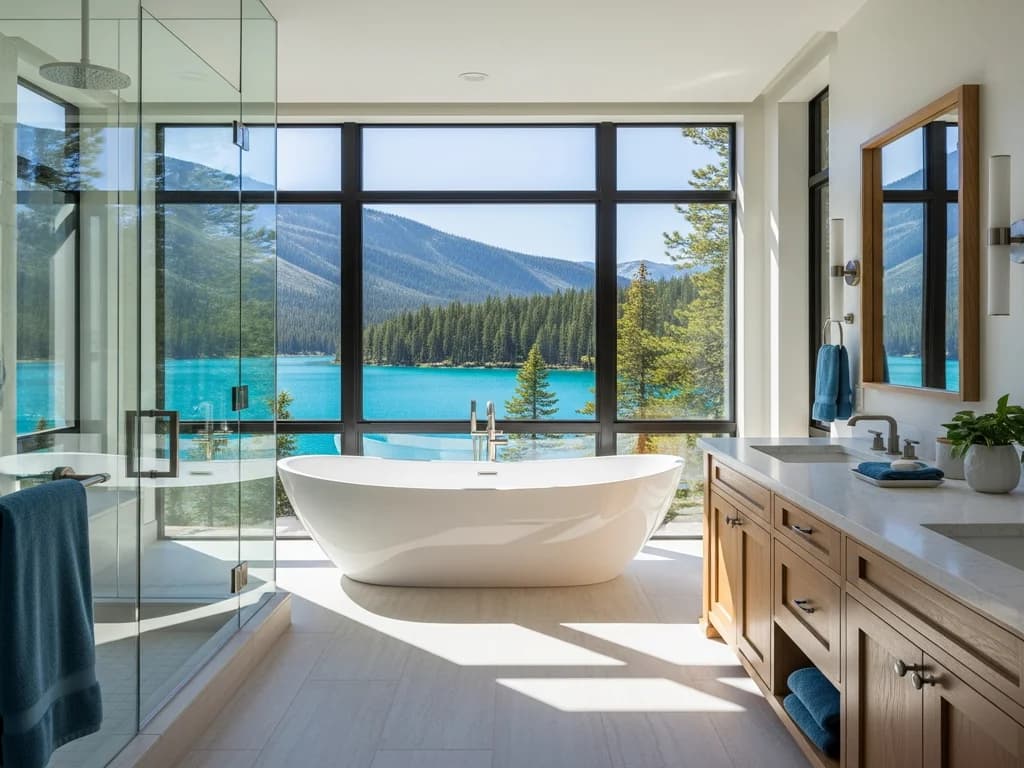
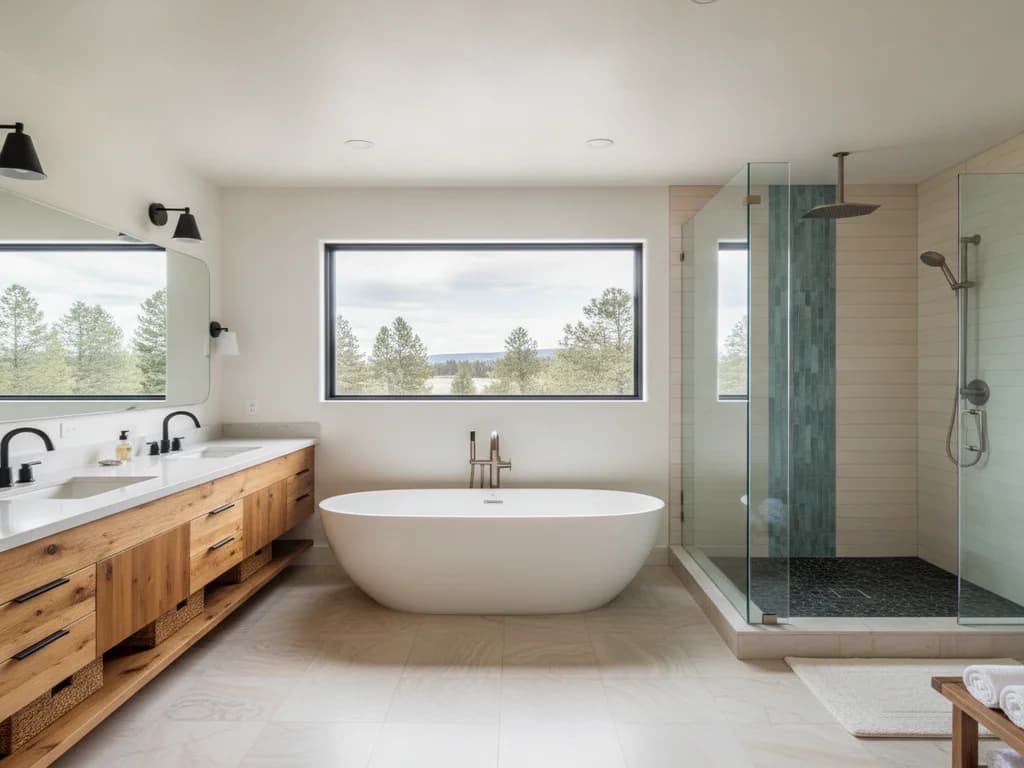
So if the tub you’re converting is the home’s only tub, think twice: keep a tub somewhere in the house even if you convert this bathroom. And if you genuinely love a soak, a freestanding tub in a primary suite can be worth keeping or adding, separate from a walk-in shower.
- Keep at least one tub if this is the home’s only one
- Families with young children often want a tub for bathing kids
- Bath lovers may prefer a freestanding soaking tub in the primary suite
- A tubless home can narrow your buyer pool at resale
Rule of thumb
Converting a rarely used secondary or primary-suite tub to a shower is usually a smart, value-friendly move — as long as the house keeps one tub for resale and for families.
How to decide
Walk through these factors and the answer usually becomes clear. There’s rarely a universally “correct” pick — only the right fit for your home and household.
- Household & life stage: aging in place or mobility needs favor a curbless walk-in; young children favor keeping a tub.
- How many bathrooms and tubs you have: with multiple baths, converting one tub is low-risk; with only one, keep a tub.
- Budget: a conversion is the lower-cost path; a larger custom or curbless walk-in costs more.
- Space & layout: staying in the existing footprint points to a conversion; expanding or reconfiguring points to a custom walk-in.
- Resale strategy: keep at least one tub for buyers and families; lean on accessibility for value.
- Maintenance preferences: grout-free surrounds and curbless floors are easier to clean than tiled, curbed enclosures.
What it means for resale value
Zooming out, bathroom work holds its value well. A midrange bathroom remodel recoups about 80% of its cost nationally — the highest level since 2007 — per Remodeling’s 2025 Cost vs. Value report, while accessible / Universal Design bathroom projects recoup roughly 64%.
The takeaway: a thoughtful conversion or walk-in shower is generally a sound investment, provided you don’t leave the home without a single tub. Balance the upgrade you want every day against the tub a future buyer may expect.
Frequently asked questions
- Does removing a bathtub hurt resale value?
- It can, if you remove the home’s only tub. Standard real-estate guidance is to keep at least one bathtub — usually in a main or family bath — because many buyers, especially families with young children, expect one. Converting a tub to a shower is generally fine as long as the house still has a tub somewhere.
- How much does a tub-to-shower conversion cost?
- It is usually one of the more affordable bathroom projects because it reuses the existing footprint and plumbing. A prefab or acrylic swap is the lower-cost path, while a custom tiled walk-in in the same space costs more. Because the range is driven by whether plumbing moves and the materials you pick, the most reliable number is a fixed quote on your specific bathroom.
- Is a walk-in shower good for aging in place?
- Yes. A curbless or zero-threshold walk-in with grab bars, a non-slip floor, and comfort-height fixtures is far safer than stepping over a tub wall — and the CDC reports most nonfatal bathroom injuries are falls, many while getting in or out of the tub. An accessible build averages about $9,500 (range $3,000–$15,000) per Fixr.
- Should I keep a bathtub?
- Keep at least one if it’s the home’s only tub, if you have or expect young children, or if you genuinely enjoy soaking. If you have multiple bathrooms and rarely use the tub you’re replacing, converting it to a shower is usually a smart, value-friendly upgrade.
- What’s the difference between a walk-in shower and a tub-to-shower conversion?
- A tub-to-shower conversion replaces an existing tub with a shower in the same footprint, which keeps cost and time down. A walk-in shower is a broader category that can be that conversion or a larger, often custom or curbless build that expands or reconfigures the space.
- Will a bathroom remodel pay off when I sell?
- Generally, yes. Remodeling’s 2025 Cost vs. Value report shows a midrange bathroom remodel recoups about 80% of its cost nationally — the highest since 2007 — while accessible / Universal Design bathroom projects recoup roughly 64%.
Sources
- Fixr — Bathroom Remodel ROI & Cost vs. Value
- CDC MMWR — Nonfatal Bathroom Injuries
- CustomCraft DBR — 2025 Cost vs. Value Report
Claims and figures are drawn from the sources above and provided for general guidance; your project may vary. Photography is illustrative of design concepts. For a fixed price on your specific bathroom, request a free estimate.