Updated July 16, 2026 · 7 min read
By Boise Bath — bathroom & shower remodeling in Boise & the Treasure Valley
The short answer
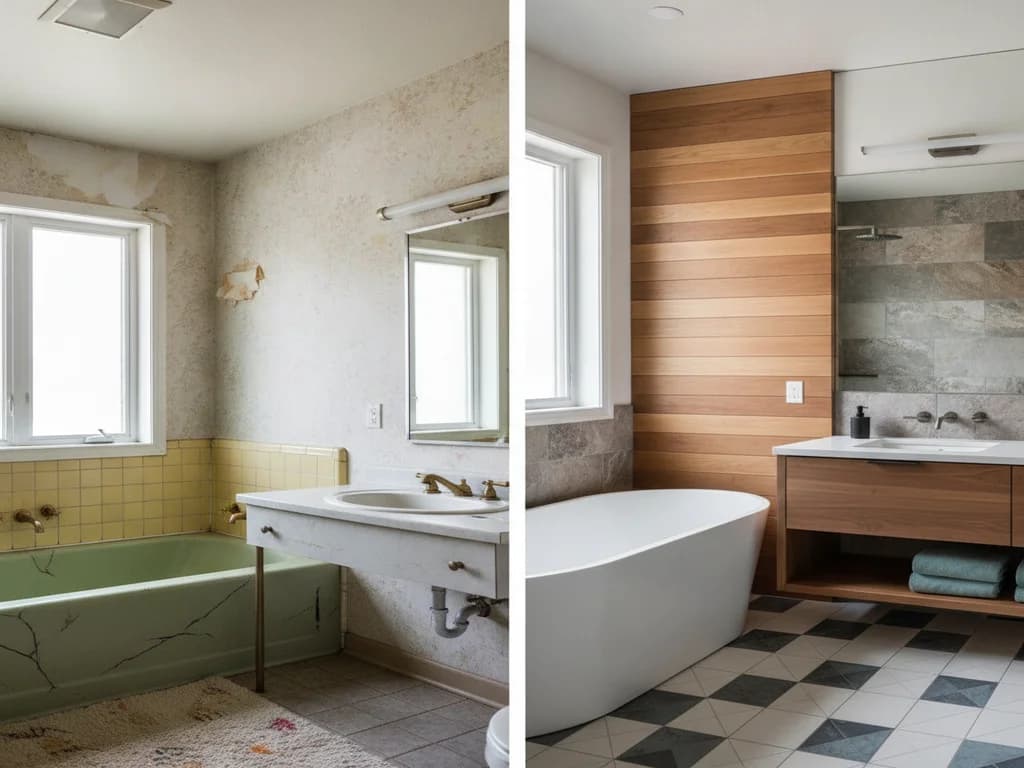
Repair when the problem is isolated — one fixture, one part, one surface — and the room around it is sound. Remodel when problems are systemic: water getting behind surfaces, multiple failures arriving together, or repairs repeating on the same components. The dividing line is whether you are fixing a part or propping up a failing system.
Key takeaways
- The repair-vs-remodel question is really a diagnosis question: is this an isolated part failure or a symptom of the room failing as a system?
- Isolated failures — a running toilet, a dripping faucet, a cracked tile with dry backing — are honest repairs and should just be fixed.
- Water behind surfaces changes everything: once moisture is in the walls or subfloor, patching the visible symptom leaves the real damage growing, per EPA moisture guidance.
- Repeat repairs on the same component are the system telling you it is done — the third regrout of the same shower is a remodel conversation.
- Age clusters failures: a bathroom whose tub, valve, tile, and fan are all original tends to fail together, which makes piecemeal fixes a losing sequence.
- A remodel resets every clock at once — one disruption, one mobilization cost — instead of paying separate premiums for each failure as it arrives.
The one question that decides it: part or system?
Every bathroom problem is one of two things. Either a part failed — a fill valve, a faucet cartridge, a section of caulk — inside a room that is otherwise sound, or the room itself is failing and the part is just where the failure surfaced first. The first is a repair. The second is a remodel wearing a repair costume.
This distinction matters because bathrooms fail from the inside out. The waterproofing behind tile, the pan under a shower, the subfloor under vinyl — the expensive layers are the ones you cannot see. By the time a systemic failure shows a visible symptom, the invisible damage has usually been accumulating for a while. Repairing the symptom without asking what produced it is how homeowners end up paying twice.
So before pricing any fix, run the diagnosis: is the thing that broke a component with a normal service life that simply reached it, or is it the surface expression of water, movement, or age underneath? Everything below is a tool for answering that.
Clear repairs: fix it and move on
Plenty of bathroom problems are genuinely isolated, and treating them as remodel triggers wastes money. A running or weakly flushing toilet is usually a flapper or fill valve. A dripping faucet is a cartridge. A loose towel bar, a slow sink drain, a failed fan motor, a cracked toilet seat — parts, all of them.
Surface issues can be honest repairs too, with one condition: the substrate behind them is dry and sound. A single cracked tile over solid, dry backing is a tile swap. Caulk that has mildewed but was replaced recently is maintenance. Grout that is dirty but intact wants cleaning and sealing, not demolition — and if it is worn but the tile is good, regrouting versus retiling covers where that line sits.
- Toilet running, weak flush, or minor tank sweating — internal parts, not a fixture problem
- Faucet drips and handle stiffness — cartridge or valve seat replacement
- One cracked or chipped tile with dry, solid backing behind it
- Failed exhaust fan motor in an otherwise dry, mold-free room
- Worn caulk lines on a shower or tub that are otherwise watertight
- Cosmetic wear — dull cabinet fronts, dated hardware, tired paint — with sound surfaces beneath
Systemic failure: when a repair is just a bandage
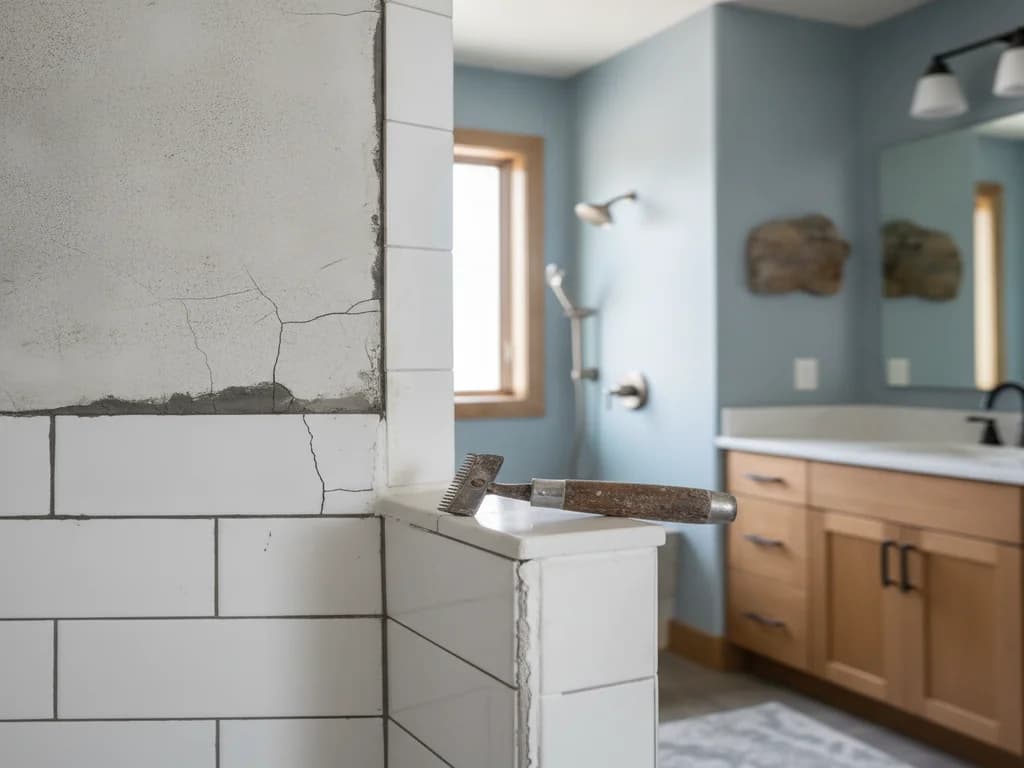
The systemic signals cluster around one thing: water where it should not be. Tile that sounds hollow when tapped, grout lines that keep cracking after repair, a shower floor that flexes, caulk that mildews within weeks of replacement, a musty smell that cleaning does not fix — each of these says moisture is behind the surface, and the surface is no longer the problem.
The EPA’s guidance on mold is blunt on this point: there is no fixing mold without fixing the moisture source, and moisture inside wall and floor assemblies keeps working whether or not the visible symptom is patched. A regrouted shower over a failed waterproofing membrane is a countdown, not a repair.
The other systemic signal is repetition. If you are fixing the same component for the second or third time — recaulking the same joint annually, resetting the same loose tiles, snaking the same drain every few months — the honest read is that the system around the component has reached the end of its service life. We keep a fuller symptom list in signs you need a bathroom remodel; if you recognize three or more, you are past the repair conversation.
The flex test is the cheapest inspection you can do
Press firmly on the floor around the toilet base and along the tub or shower edge. Any give, softness, or movement means water has reached the subfloor — and a soft subfloor is never fixed by anything cosmetic. At that point every dollar spent on surface repair is a dollar spent decorating a problem that is still growing.
The threshold framework: three tests
When the diagnosis is not obvious, run the problem through three tests. Together they catch nearly every case where a repair is the wrong call.
The repeat test: has this same problem been fixed before? A first-time failure of a wear part is normal. A second failure of the same joint, tile field, or drain says the fix is not holding because the fix is not the problem. The moisture test: is there any evidence of water beyond the visible surface — staining below, smell, flex, hollow tile, persistent mildew? Any yes reclassifies the job. The cluster test: is this failure arriving alone, or with company? A bathroom where the valve drips, the fan is dead, the grout is cracking, and the vinyl is curling is not having four bad weeks — it is one system aging out on schedule, and each fix bought separately carries its own service call, its own disruption, and its own markup.
Age is the multiplier on all three. Original components in a 1990s or early-2000s Treasure Valley build — the builder-grade fiberglass surround, the original valve behind it, the first-generation fan — were installed together and tend to fail together. Repairing one while its same-age neighbors are next in line is how a bathroom becomes a subscription.
| Symptom | Usually a repair when… | Points to remodel when… |
|---|---|---|
| Cracked or loose tile | One tile, dry solid backing | Multiple tiles, hollow sound, or cracks that return after repair |
| Failing caulk or grout | First failure, surfaces dry behind | Re-fails within months — water is moving behind the surface |
| Dripping faucet or valve | Cartridge swap on a serviceable valve | Valve is original, corroded, or walls must open to reach it |
| Toilet issues | Flapper, fill valve, seat | Rocking base, soft floor around it, repeated wax-ring leaks |
| Musty smell or mildew | Ventilation habit fix, fan upgrade | Smell persists after cleaning — moisture is inside the assembly |
| Dated but working room | Cosmetic refresh scratches the itch | Cosmetics would be layered over components already at end of life |
A single row in the right-hand column is worth a professional look; two or more is a remodel conversation.
The money logic: why serial repairs lose
Piecemeal repairs carry hidden structural costs. Every separate fix pays its own trip charge and minimum labor. Every surface repair in an aging bathroom risks collateral damage to brittle neighboring materials — pulling one wall tile in a 25-year-old shower often takes its neighbors with it. And repairs done in sequence never add up to a renewed room: after five separate fixes you own the same old bathroom, minus the money.
A remodel spends more at once but buys something repairs cannot: every clock resets together. New waterproofing behind new tile, a new valve while the wall is already open, new subfloor under new flooring — the marginal cost of each additional component is lowest exactly when everything is opened up. This is why contractors push back on requests to "just fix the surround" over failed framing; it is not upselling, it is that closing up a known problem makes them the owner of it.
The honest budgeting move is to compare the next three to five years of likely repairs — not just today’s fix — against the remodel number. National cost guides like HomeAdvisor and Angi publish ranges for individual repairs, and our Boise bathroom remodel cost guide covers what full projects run locally. When the realistic repair sequence approaches a meaningful fraction of the remodel, the remodel wins, because it also delivers a bathroom you actually want.
Middle paths that are sometimes right
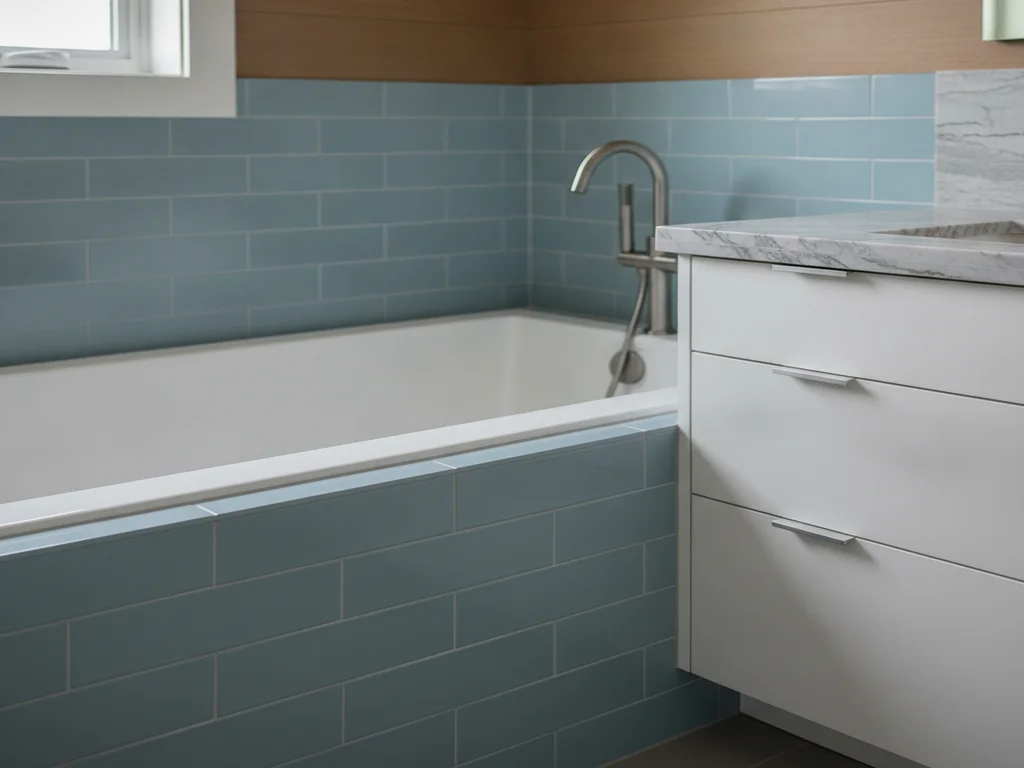
Repair-or-remodel is not always binary. If the tub itself has failed but the room around it is sound, replacing just the tub is a legitimate scope — should I replace my bathtub covers that call, and replacing a tub without touching the tile explains when the surrounding finishes can honestly stay.
The same logic applies to a vanity that has swollen at the base while everything else works, or flooring that has curled while the wet zone is fine. Component-level replacement is the right tool when the failure genuinely stops at the component boundary — the framework’s three tests still apply, just scoped to the part.
What the middle path should never be is a way to avoid opening a wall you have evidence is wet. Partial scopes work when the boundary is clean; they fail expensively when they are drawn to dodge a known problem.
How to get a straight answer
Get eyes on it before money. A contractor doing a proper assessment will tap tile, check floor flex, look below the bathroom if there is access, and ask about the repair history — the repeat test only works with honest history, so keep receipts and dates.
Ask the estimator one framing question: "If this were your house, would you fix this or is it a symptom?" Good contractors answer that directly, and the ones who quote the repair without asking what caused the problem are telling you something too.
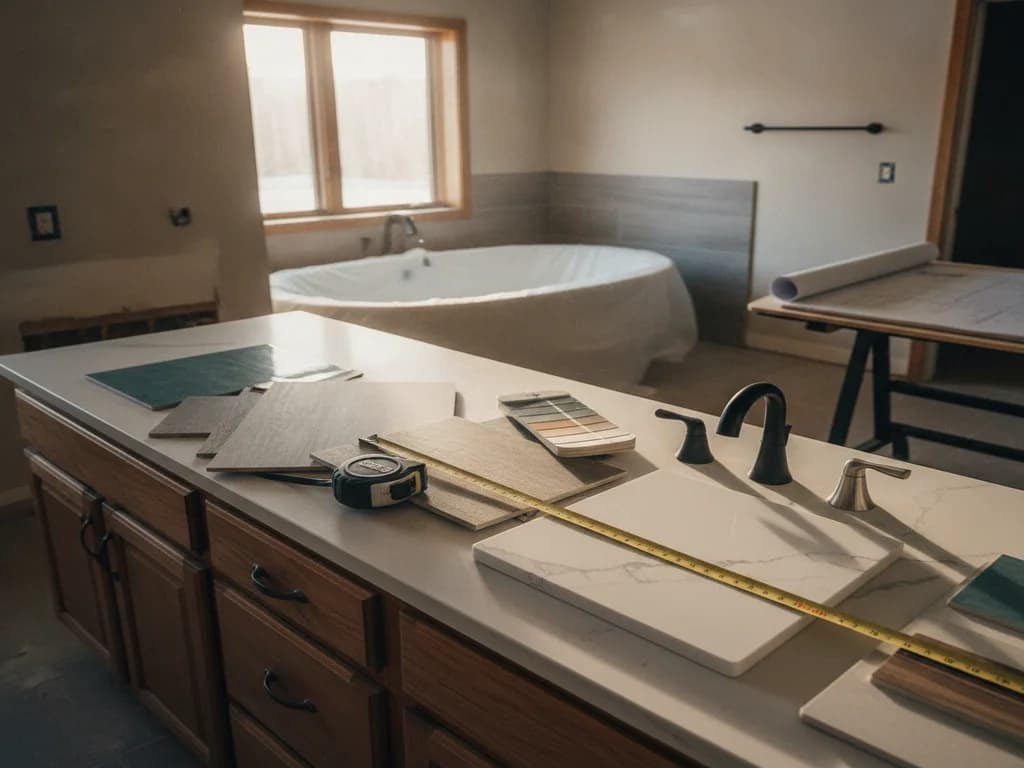
If the assessment lands on remodel, get the full picture priced before deciding — a free estimate scopes your actual bathroom, and the cost calculator gives you a working range while you compare it against the repair sequence you would otherwise be signing up for.
Ready to plan your Boise bathroom?
Licensed & insured · 3-year workmanship warranty
Frequently asked questions
- How do I know if my bathroom needs a remodel or just repairs?
- Run three tests: Has this problem been fixed before and come back? Is there any evidence of water beyond the visible surface — flex, smell, staining, hollow tile? Are multiple things failing at once? All noes point to an honest repair. Any yes means the visible problem is likely a symptom, and a professional assessment before repairing will save you from paying twice.
- When is it not worth repairing a bathroom?
- When repairs repeat on the same components, when water has reached the subfloor or wall cavities, or when the room’s major elements are all original and aging out together. At that point each repair carries its own service cost while the underlying system keeps failing — the money spent patching never accumulates into a renewed bathroom.
- Is it cheaper to repair a bathroom than remodel it?
- Any single repair is cheaper than a remodel — that is never the real question. The real comparison is the likely sequence of repairs over the next several years against the remodel cost. An aging bathroom fails serially, and each separate fix pays its own trip charge and risks damaging brittle neighboring materials. When the realistic repair sequence approaches a meaningful share of remodel cost, the remodel wins.
- Can I just fix a leaking shower instead of remodeling?
- It depends entirely on where the leak lives. A dripping showerhead or a worn door sweep is a true repair. But water escaping through failed grout, tile, or pan means the waterproofing layer behind the surface has failed, and surface fixes cannot reach it — the assembly gets rebuilt. Persistent leaks that return after caulking are almost always the second kind.
- Should I remodel a bathroom that works fine but looks dated?
- No urgency — dated-but-sound is a preference decision, not a diagnosis. The one caveat: check the age of what is behind the surfaces before investing in cosmetics. Spending real money on new finishes over an original valve and 25-year-old waterproofing means the next mechanical failure tears out your fresh work. If the bones are old, time the cosmetic upgrade with the systemic one.
- What bathroom problems are urgent versus can wait?
- Urgent: any active leak, soft or flexing floor, a rocking toilet, and visible mold spreading beyond a caulk line — these grow more expensive by the month, per EPA moisture guidance. Can wait: cosmetic wear, dated finishes, a fan that is loud but working. In between: recurring grout and caulk failures, which are not emergencies but are evidence worth acting on within the season.
Sources
Claims and figures are drawn from the sources above and provided for general guidance; your project may vary. Photography is illustrative of design concepts. For a fixed price on your specific bathroom, request a free estimate.