Updated July 5, 2026 · 8 min read
By Boise Bath — bathroom & shower remodeling in Boise & the Treasure Valley
The short answer
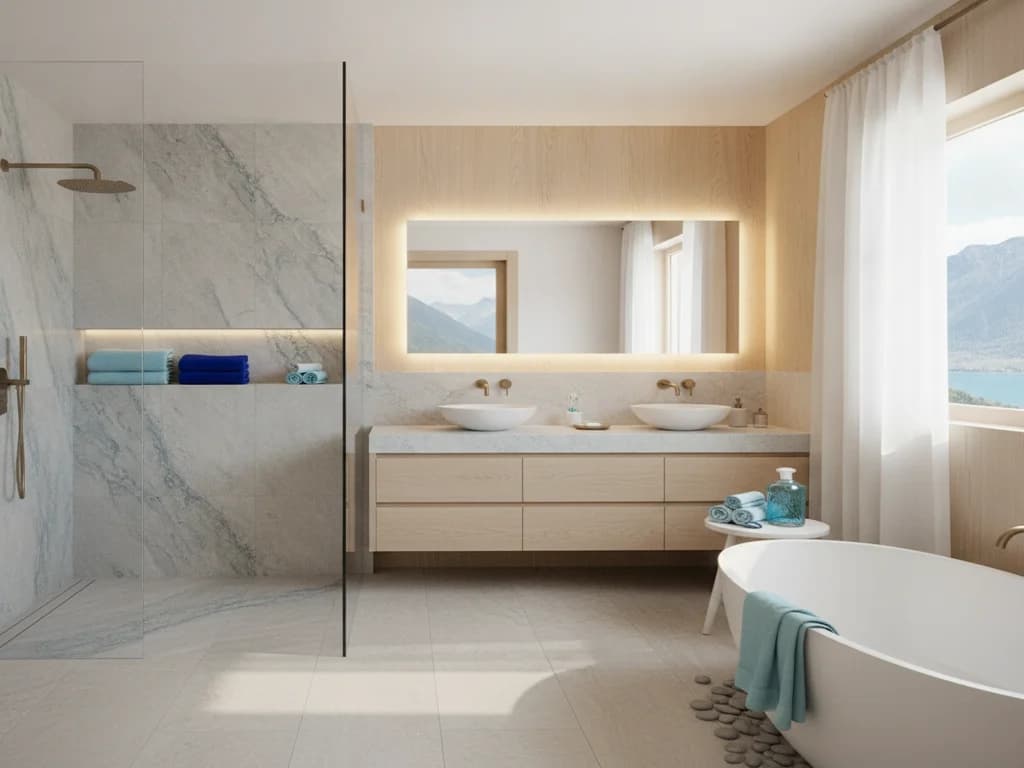
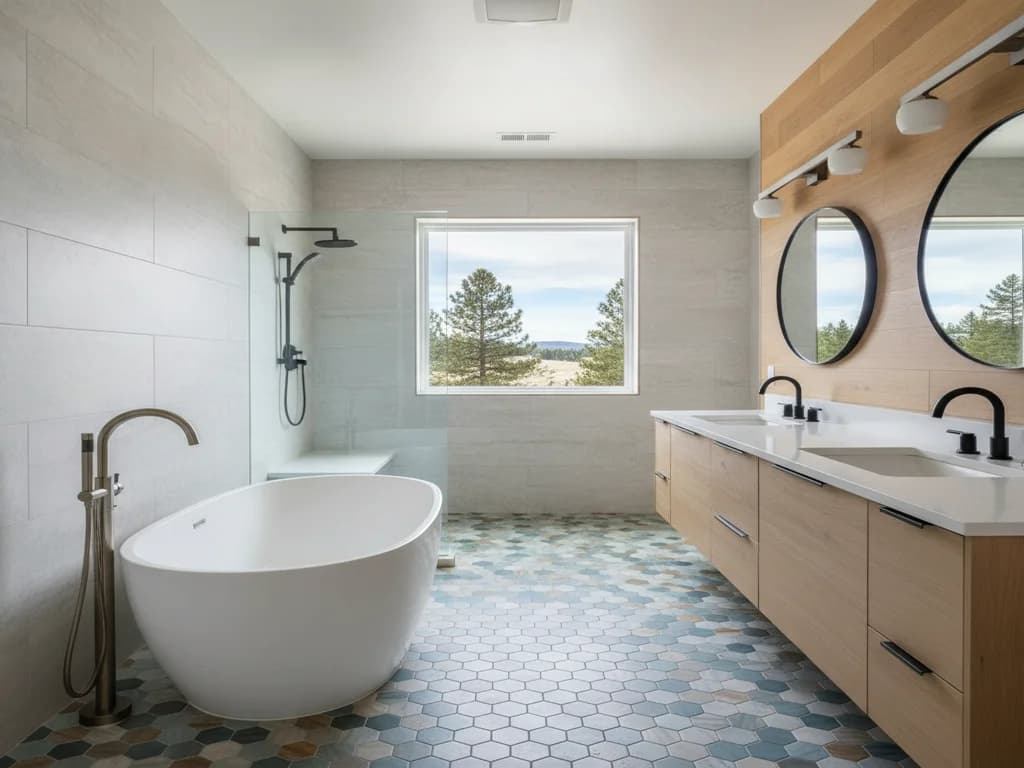
A freestanding tub needs open floor space on all sides and often costs more to plumb, since the filler runs up through the floor or ceiling — but it is the centerpiece look most master baths want. A built-in tub fits a standard three-wall footprint, plumbs more simply, and keeps water contained. Space and plumbing access should drive the decision.
Key takeaways
- This Old House notes freestanding tubs "may need special water supplies and drains," which is the main reason their installed cost can range from about $2,500 to $20,000+ versus a comparatively affordable alcove install.
- Fixr’s cost comparison shows the tub filler is typically the single biggest expense on a freestanding install, since it runs up from the floor or down from the ceiling rather than through one concealed wall.
- Alcove tubs take up less floor space and contain splash on three sides, often with a shower and glass panel built in — freestanding tubs need clearance on every side and, per Fixr, can be harder to clean without a handheld sprayer.
- Both styles can add resale value per Fixr’s guide, but a freestanding tub is more often the visual centerpiece of a primary suite, while an alcove tub is the practical choice for a secondary or family bathroom.
- Freestanding tubs come in a wider range of materials — cast iron, acrylic, stone resin, copper — while alcove tubs are most commonly acrylic or fiberglass, often paired with matching shower walls.
The core trade-off, up front
Freestanding and built-in (alcove) tubs solve the same basic need — a place to soak — but they ask very different things of your bathroom’s layout and plumbing. A freestanding tub is a standalone piece placed anywhere it will fit, which is exactly why it reads as a centerpiece; a built-in tub is designed to slot into a three-wall recess, which is exactly why it is simpler to plumb and easier to contain.
The comparisons below walk through the four factors that actually decide this for most homeowners: floor space, plumbing cost, cleaning, and resale.
Quick take
If your bathroom has the floor space and you want the tub to be the visual focal point, freestanding is worth the extra plumbing cost. If space is tight or you want the tub to double as a shower, a built-in alcove tub is the more practical choice.
Quick comparison
A side-by-side on the factors that matter most when choosing between the two.
| Factor | Freestanding | Built-in (alcove) |
|---|---|---|
| Floor space needed | Open access on all sides | Fits a standard 3-wall recess |
| Typical installed cost | ~$2,500–$20,000+ (This Old House) | Comparatively affordable (This Old House) |
| Plumbing | Filler often runs through floor/ceiling — biggest cost driver (Fixr) | Concealed in one wall — simpler, standard configuration |
| Cleaning | Access all sides; no built-in shelving, but harder to spray down (Fixr) | Confined space can trap moisture; often has built-in shelving |
| Shower combo | Needs a separate shower area | Can pair with a shower and glass panel in the same footprint |
| Material range | Widest — cast iron, acrylic, stone resin, copper | Mostly acrylic or fiberglass |
Space: how much room does each one actually need?
This Old House frames alcove tubs as designed to "fit into existing spaces" and work in "nearly any bathroom style" because they are built for a standard three-walled configuration — precise measurements matter, but the footprint itself is predictable and space-efficient.
Freestanding tubs are the opposite: This Old House notes they eliminate the need for framing and support but take up significant floor space and typically require a separate shower area elsewhere in the room. If your bathroom cannot spare walking clearance on every side of the tub, a freestanding model will feel cramped no matter how good it looks in a photo.
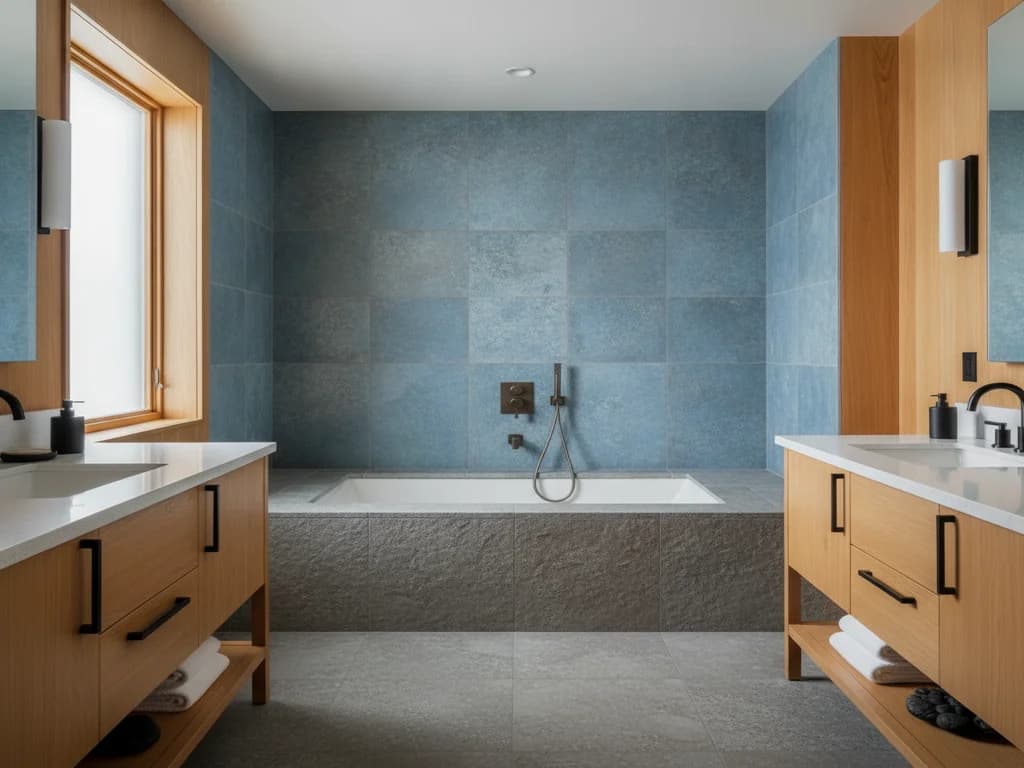
Plumbing: why freestanding tubs cost more to install
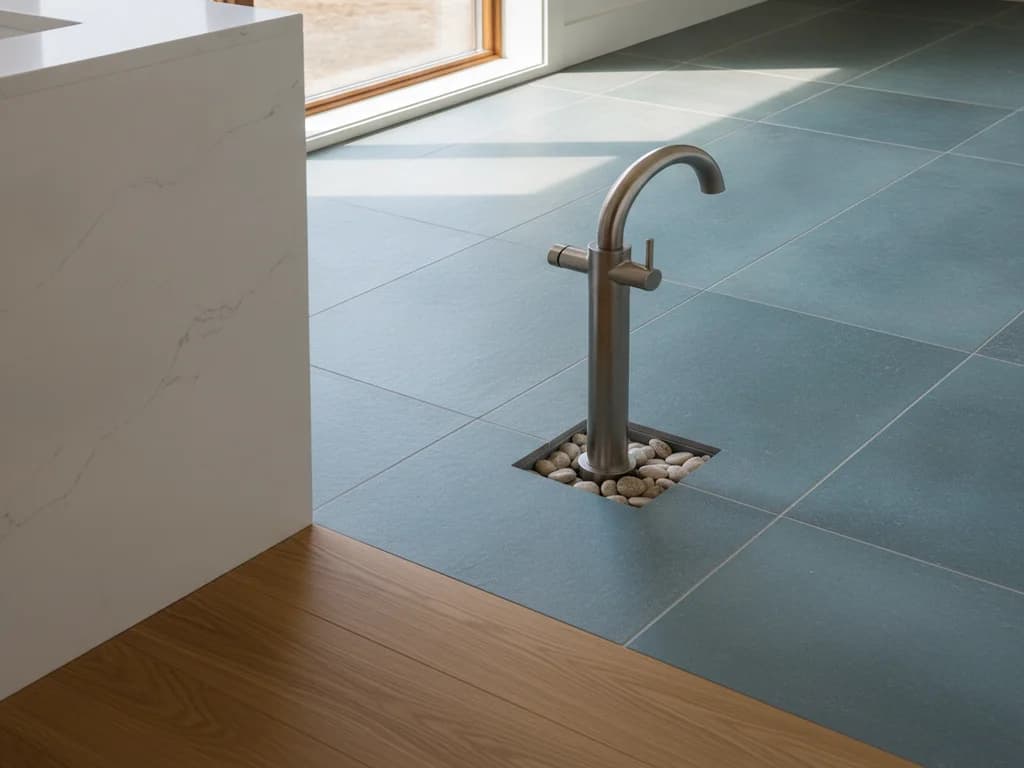
Fixr’s cost comparison is direct about this: for a freestanding tub, "the tub filler is the biggest installation expense because it must be brought up from the floor or installed in the ceiling" — plumbing that has to route through open floor space rather than tuck behind a single finished wall. This Old House likewise notes freestanding tubs "may need special water supplies and drains," which can mean relocating existing plumbing entirely.
Built-in tubs plumb more simply: This Old House describes them as installed against the framing before the wall finish goes up, integrating with a standard water-wall configuration. That simpler, more standardized plumbing path is a major reason alcove installs are typically the more budget-friendly of the two.
Cleaning: which one is actually easier to keep up?
This Old House notes freestanding tubs are generally easier to access on all sides for cleaning and have no built-in shelving to collect clutter or grime. Fixr adds a practical counterpoint, though: cleaning a freestanding tub "may be more difficult" without a handheld shower attachment nearby, since there is often no fixed showerhead within reach.
Built-in tubs, especially those paired with a shower, come with more surface area — walls, a curb, sometimes a shelf — and This Old House notes that confined alcove spaces can trap moisture and encourage mildew if ventilation is weak. In practice, a built-in tub with a shower combo is easier to rinse and squeegee day to day, while a standalone freestanding tub is easier to wipe down thoroughly but less convenient to rinse.
Resale: does the tub style itself matter to buyers?
Fixr’s guide notes both styles "increase resale value" — the tub type itself is rarely a dealbreaker either way. What tends to matter more is fit: a freestanding tub reads as a premium centerpiece in a primary suite with room to spare, while an oversized freestanding tub crammed into a small secondary bathroom can look and feel wrong to a buyer walking through.
For the bigger picture on what reliably adds value in a Boise remodel — tub style included — see our Boise bathroom upgrades that add value guide.
Which one should you choose?
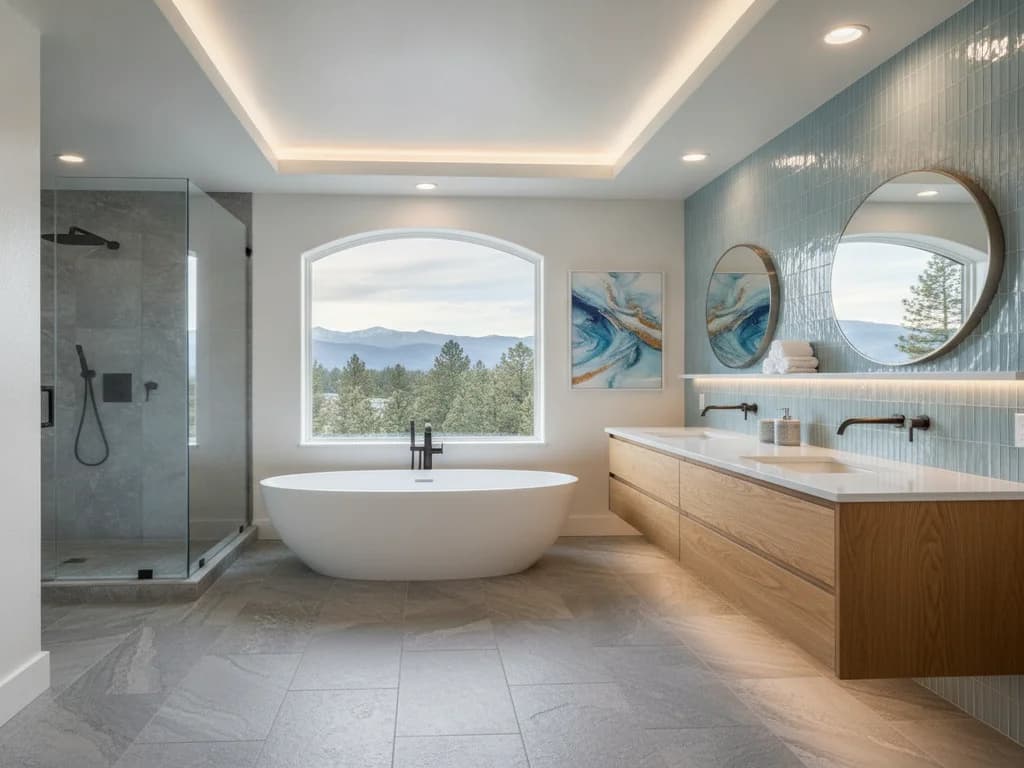
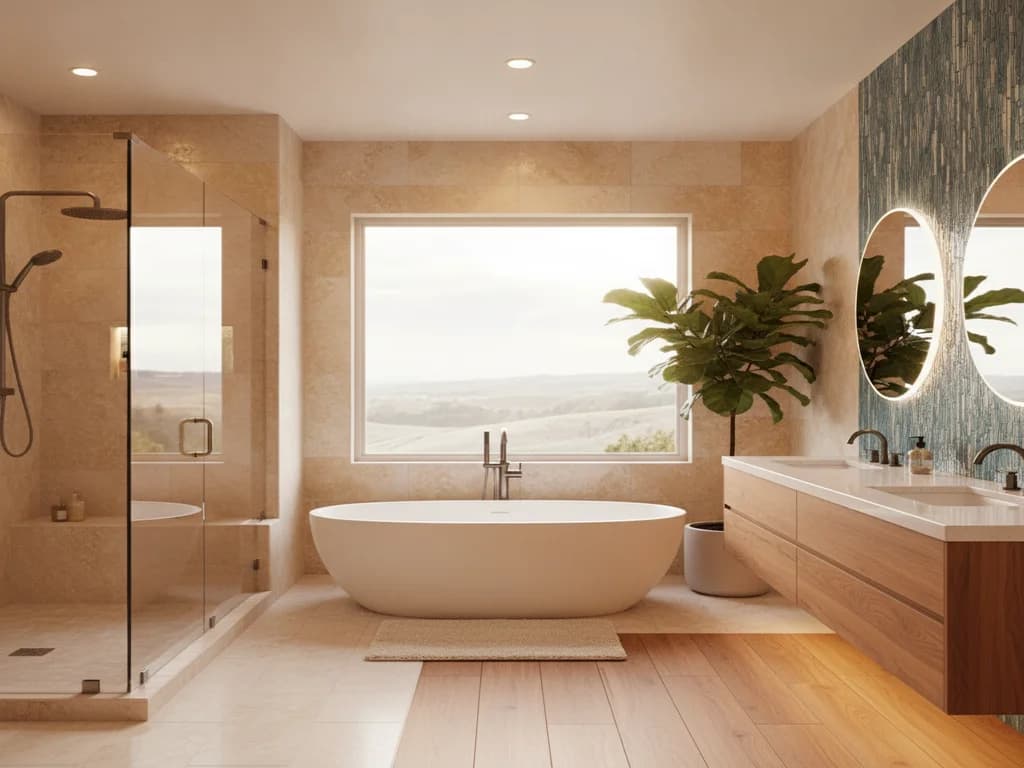
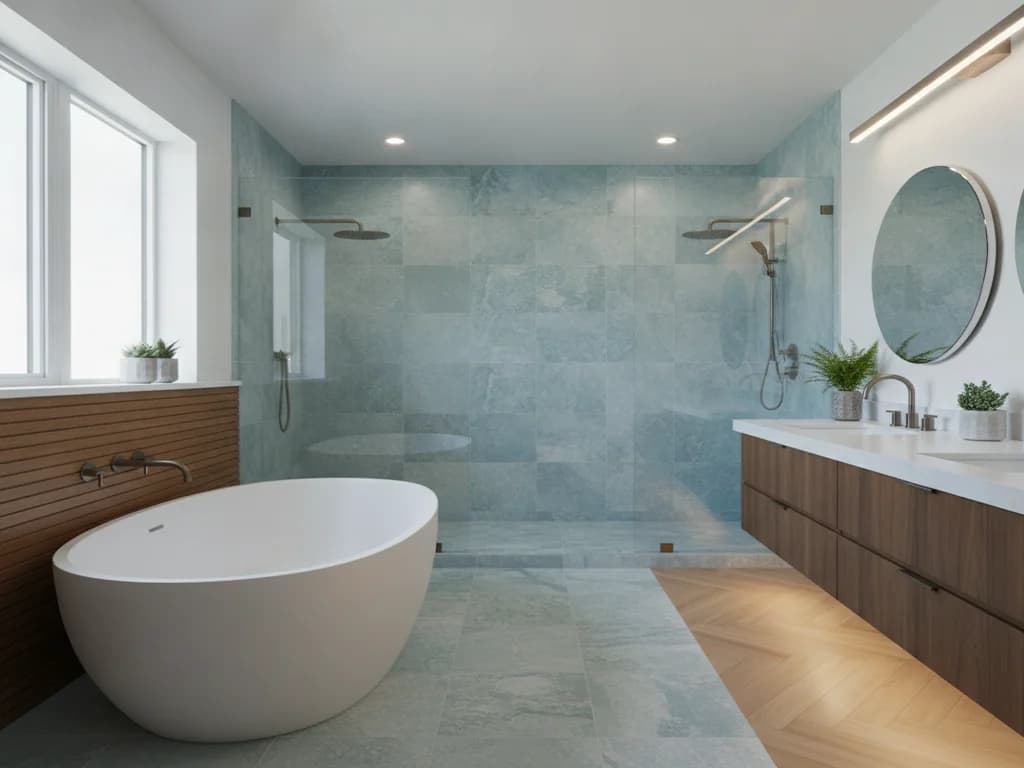
Choose a freestanding tub if your bathroom has the floor space to spare, you have a separate shower already (or room to add one), and you want the tub to function as the room’s visual anchor — this is the classic move in a master bathroom retreat. Budget for the plumbing: ask your installer early whether your filler will need floor or ceiling routing, since that is the line item most likely to move your quote.
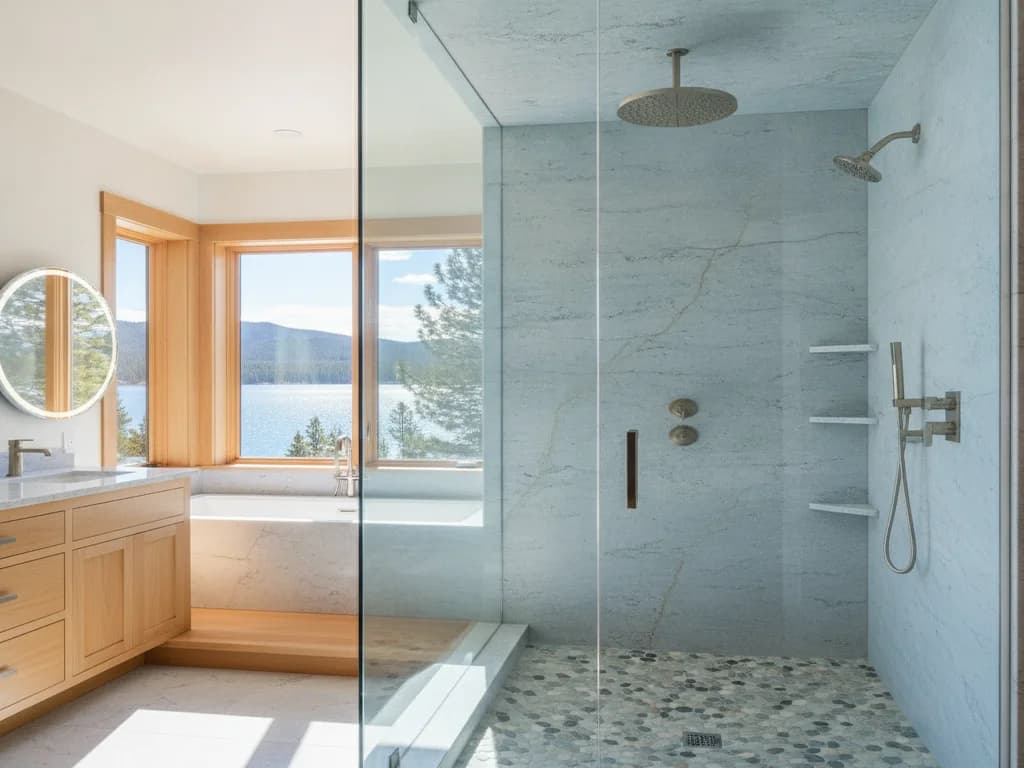
Choose a built-in alcove tub if space is limited, you want the tub and shower combined in one footprint, or you are prioritizing a lower, more predictable installed cost. It is also the more forgiving choice in a secondary or family bathroom where a soaking tub is a nice-to-have rather than the main event.
Ready to plan your Boise bathroom?
Licensed & insured · 3-year workmanship warranty
Frequently asked questions
- Is a freestanding tub more expensive to install than a built-in tub?
- Usually, yes. This Old House prices freestanding tub installations from roughly $2,500 up to $20,000+, largely because, per Fixr, the tub filler often has to be routed up through the floor or down from the ceiling rather than concealed in one standard wall — a meaningfully more complex plumbing job than a built-in tub typically requires.
- How much space does a freestanding tub need?
- Enough for walking clearance on every side, since it is not recessed against walls like a built-in tub. This Old House notes freestanding tubs take up significant floor space and generally require a separate shower area elsewhere in the room, so they fit best in a larger primary bathroom rather than a compact secondary one.
- Is a built-in tub easier to clean than a freestanding tub?
- It depends on what you mean by "easier." This Old House notes freestanding tubs are simpler to wipe down because you can access all sides, but Fixr points out they can be harder to rinse without a handheld sprayer nearby. Built-in tubs, especially with a shower combo, are easier to rinse day to day but have more surface area (walls, shelving) to keep clean overall.
Sources
- Fixr — Freestanding vs. Built-in Tub: Pros, Cons, Comparisons and Costs
- This Old House — Bathtub Buying Guide: Types & Materials
- EPA — A Brief Guide to Mold, Moisture and Your Home
Claims and figures are drawn from the sources above and provided for general guidance; your project may vary. Photography is illustrative of design concepts. For a fixed price on your specific bathroom, request a free estimate.