Updated July 6, 2026 · 8 min read
By Boise Bath — bathroom & shower remodeling in Boise & the Treasure Valley
The short answer
A bidet seat replaces the existing toilet seat and plugs into a nearby outlet, while an integrated bidet toilet builds the functions into the fixture itself. Almost every electric seat needs a grounded GFCI outlet within reach — per Brondell's installation guide, "only use a grounded GFCI... electrical outlet" — the detail worth planning before install day.
Key takeaways
- Brondell's official Swash installation instructions are explicit about the outlet: "Make sure to only use a grounded GFCI (ground fault circuit interrupter) electrical outlet. In the case of a short circuit, a grounded GFCI outlet may help prevent electric shock or injury."
- TOTO's WASHLET owner's manual carries the same requirement from the fixture side: "Make sure that a properly grounded (3 prong) outlet has been installed," running on "AC 120 V, 60 Hz" and nothing else — "do not use any power supply other than the one specified."
- Outlet distance is a real install constraint, not a footnote: Brondell's guidance notes that if the outlet is "more than three and a half feet from the toilet, you will need a grounded extension cord," and recommends a dedicated outlet "to the right side of the fixture underneath the toilet tank" for anyone wiring one in new.
- A bidet seat and an integrated bidet toilet solve the same problem differently: a seat (Brondell Swash, TOTO WASHLET) adds the function to an existing toilet bowl, while an integrated unit builds washing, drying, and heating into one fixture — a seat is the retrofit option, an integrated toilet is the built-from-scratch one.
- TOTO's safety documentation adds a bathroom-specific installation note worth flagging to any electrician: "When using the product in a bathroom, install a fan or ventilation port and ensure good air flow through the bathroom" — an electronic seat near a shower is still an electrical product in a humid room.
The one thing a bidet seat needs that a toilet doesn't
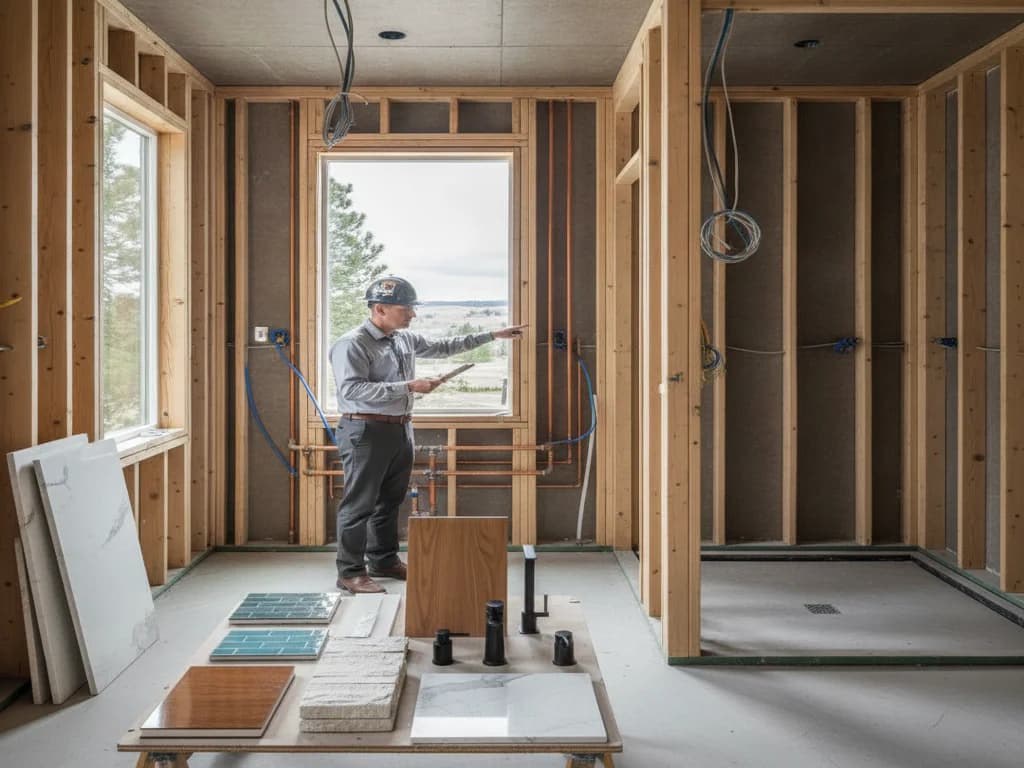
A bidet seat looks, at a glance, like a toilet-seat upgrade — unbox it, swap it onto the existing bowl, done. Electrically, it isn't that simple: almost every electric bidet seat needs power, and that means a grounded outlet within reach of the toilet, ideally a GFCI (ground-fault circuit interrupter) outlet specifically. That single requirement is the detail that turns "buy a bidet seat" into "plan where the outlet goes" — and it's much easier to solve during a remodel, when the wall is already open, than as an afterthought once the room is finished.
The one-line version
If there's already a GFCI outlet within a few feet of the toilet, a bidet seat is close to a drop-in upgrade. If there isn't, that outlet is the actual project — not the seat itself.
What the manufacturers actually say about the outlet
This isn't a cautious overstatement — it's in both major manufacturers' own installation documentation. Brondell's official Swash installation instructions state it directly: "Make sure to only use a grounded GFCI (ground fault circuit interrupter) electrical outlet. In the case of a short circuit, a grounded GFCI outlet may help prevent electric shock or injury." TOTO's WASHLET owner's manual carries a version of the same requirement: "Make sure that a properly grounded (3 prong) outlet has been installed" — and further specifies the seat is designed to run on "AC 120 V, 60 Hz" and nothing else, warning plainly, "Do not use any power supply other than the one specified."
Distance matters too, and it's a detail worth checking before ordering rather than after. Brondell's guidance notes that if the existing outlet is "more than three and a half feet from the toilet, you will need a grounded extension cord" rated for at least 15 amps with a three-blade grounding plug — workable, but not ideal long-term. For anyone wiring in a dedicated outlet specifically for the seat, Brondell recommends placing it "to the right side of the fixture underneath the toilet tank," which keeps the cord run short and out of the way.
Bidet seat vs. integrated bidet toilet
A bidet seat and an integrated bidet toilet solve the same washing-and-drying problem in two structurally different ways. A seat — Brondell's Swash line or TOTO's WASHLET line are the two most established brands — replaces the seat and lid on an existing toilet bowl, adding the wash, dry, and (on many models) heated-seat functions without replacing the toilet itself. An integrated bidet toilet builds all of that into a single fixture from the start, with no separate seat unit to attach or eventually replace.
The practical tradeoff: a seat is the retrofit option, installable on most existing elongated or round-bowl toilets without swapping the toilet itself, and it's the more accessible entry point into bidet functionality during a remodel that isn't otherwise replacing the toilet. An integrated unit is the cleaner, more built-in-looking result, but it means the toilet itself — not just the seat — is part of the purchase and installation, which is a bigger scope and cost decision than a seat retrofit. Both need the same electrical groundwork described above; neither sidesteps the outlet requirement.
| Bidet seat | Integrated bidet toilet | |
|---|---|---|
| What it replaces | Just the seat and lid | The entire toilet fixture |
| Electrical need | Grounded GFCI outlet nearby | Grounded GFCI outlet nearby |
| Best fit | Adding the feature to an existing toilet | A remodel already replacing the toilet |
| Example brands | Brondell Swash, TOTO WASHLET (seat line) | TOTO WASHLET+ integrated units |
What a bidet seat actually adds, feature by feature
Beyond the wash function itself, the seats from both major manufacturers pack in several features worth knowing about before comparing models. Brondell's Swash product documentation lists an ergonomic heated seat with adjustable temperature settings, a built-in night light, adjustable water temperature and pressure across separate front and rear wash modes, and a wireless remote with programmable user-memory settings so more than one household member can save their own preferences. TOTO's WASHLET line covers similar ground — heated seat, warm-water wash with instantaneous or tank-based heating depending on the model, a warm-air dryer, and an automatic deodorizing function that pulls air from the bowl through a replaceable filter rather than masking odor.
None of that changes the electrical fundamentals — every one of those features (the heated seat, the water heating, the dryer, the remote's wireless receiver) draws from the same outlet the base wash function does. More features doesn't mean more outlets; it means the same outlet is doing more work, which is one more reason a dedicated, correctly placed GFCI circuit is worth getting right the first time.
Where this fits into a remodel
TOTO's installation safety documentation flags a detail specific to bathrooms that's easy to overlook: "When using the product in a bathroom, install a fan or ventilation port and ensure good air flow through the bathroom." A bidet seat is still an electronic appliance sitting a few feet from a shower in a room that gets humid — the same ventilation logic that protects any other electrical fixture in a bathroom applies here too, and it's one more reason to plan the seat alongside the rest of the electrical and ventilation scope rather than as an unrelated add-on after the room is done.
If a bidet seat — or an integrated bidet toilet — is part of a larger remodel, the outlet placement is a natural fit to decide alongside everything else electrical happening in the room. Our bathroom electrical upgrade costs guide covers what triggers new circuits and GFCI outlets more broadly, and our comfort height vs. standard toilet comparison is worth reading alongside this one if the toilet itself is also on the table — both decisions get made together, not in sequence.
The bottom line
A bidet seat is one of the more approachable bathroom upgrades available, but "approachable" assumes the electrical piece is already solved — a grounded, properly placed GFCI outlet within a few feet of the toilet. Get that right during a remodel, while the wall is open and the electrician is already on site for other work, and the seat itself is a straightforward add. Skip it, and the outlet becomes its own separate project later.
If a bidet seat or integrated bidet toilet is part of a full bathroom remodel you're planning, the outlet and GFCI placement gets scoped alongside the rest of the electrical work from day one.
Ready to plan your Boise bathroom?
Licensed & insured · 3-year workmanship warranty
Frequently asked questions
- Do bidet seats need a special outlet?
- Yes — nearly every electric bidet seat needs a grounded GFCI outlet nearby. Brondell's official installation instructions state: "Make sure to only use a grounded GFCI (ground fault circuit interrupter) electrical outlet." TOTO's WASHLET manual similarly requires "a properly grounded (3 prong) outlet" running on standard 120V household power.
- How far can the outlet be from the toilet?
- Brondell's guidance notes that if the outlet is "more than three and a half feet from the toilet, you will need a grounded extension cord" rated for at least 15 amps with a three-blade grounding plug. For a new dedicated outlet, Brondell recommends placing it to the right side of the toilet, underneath the tank.
- What's the difference between a bidet seat and an integrated bidet toilet?
- A bidet seat (like Brondell's Swash or TOTO's WASHLET seat line) replaces just the seat and lid on an existing toilet bowl. An integrated bidet toilet builds the same wash, dry, and heating functions into the entire fixture from the start. Both require the same grounded GFCI outlet nearby — the difference is scope: a seat is a retrofit, an integrated unit replaces the toilet itself.
Sources
- Brondell — Swash Bidet Toilet Seat Installation Guide (manufacturer)
- TOTO — WASHLET Instruction Manual, SW3084/SW3084T40 (manufacturer)
- ESFI — Ground-Fault Circuit Interrupters (GFCI)
- NFPA — National Electrical Code (NFPA 70)
Claims and figures are drawn from the sources above and provided for general guidance; your project may vary. Photography is illustrative of design concepts. For a fixed price on your specific bathroom, request a free estimate.