Updated September 12, 2026 · 9 min read
By Boise Bath — bathroom & shower remodeling in Boise & the Treasure Valley
The short answer
For Boise’s hard water, brushed and matte finishes — brushed nickel, matte black, and brushed gold — hide water spots and fingerprints best, while polished chrome looks crisp but shows spotting. PVD-coated finishes resist tarnish and wear longest. Choose one dominant finish, add one accent, and coordinate across faucets, hardware, and lighting.
Key takeaways
- Brushed and matte finishes hide hard-water spots and fingerprints; polished chrome and gloss black show them.
- PVD coatings resist wear, scratching, and tarnish better than standard electroplating.
- Mixing metals works with a dominant finish plus one accent — not three competing tones.
- Coordinate the faucet, showerhead, drain, hardware, and lighting for a finished look.
- Why Boise water spots fixtures is covered in the climate guide — this article is about choosing the finish.
How do you choose a bathroom fixture finish?
A finish has to clear three tests before it earns a place in your bathroom: does it suit the room’s style, how does it handle daily life (water spots, fingerprints, cleaning), and how durable is its coating? Looks tend to dominate the showroom decision, but in a hard-water area the everyday-living test is what you will actually feel for the next decade.
This article compares the finishes on those three axes and gives each a "best for" verdict. It deliberately does not explain why Boise’s water spots fixtures — that chemistry lives in the climate guide — and it does not cover fixture-material durability like solid brass versus zinc, which the durability roundup owns. Here, the question is simply: which finish should you choose?
The one rule that matters most here
In hard water, texture beats shine. A brushed or matte finish scatters light and hides mineral spotting; a high-gloss finish reflects it and shows every drop. Start there, then layer style on top.
What’s the difference between PVD and electroplated finishes?
1. Coating type is the durability story behind every finish. PVD (physical vapor deposition) bonds an extremely hard, thin layer to the fixture; it resists scratching, corrosion, and tarnish far better than standard electroplating and is what manufacturers like Kohler, Delta, and Moen market under names such as "lifetime" or "spot-resist" finishes. Electroplated finishes look great but are softer and can wear over time, while painted or powder-coated matte finishes can chip if abused. Best for: choose PVD wherever it is offered, especially on high-touch faucets and handles.
Polished chrome: classic but does it show water spots?
2. Polished chrome is the timeless, budget-friendly, everywhere-available finish. It suits classic, contemporary, and just about any style — but its high shine shows water spots and fingerprints readily, which is its real weakness in hard water. Best for: traditional and transitional baths where you do not mind a quick daily wipe to keep it crisp.
Brushed/satin nickel: the easiest finish to live with?
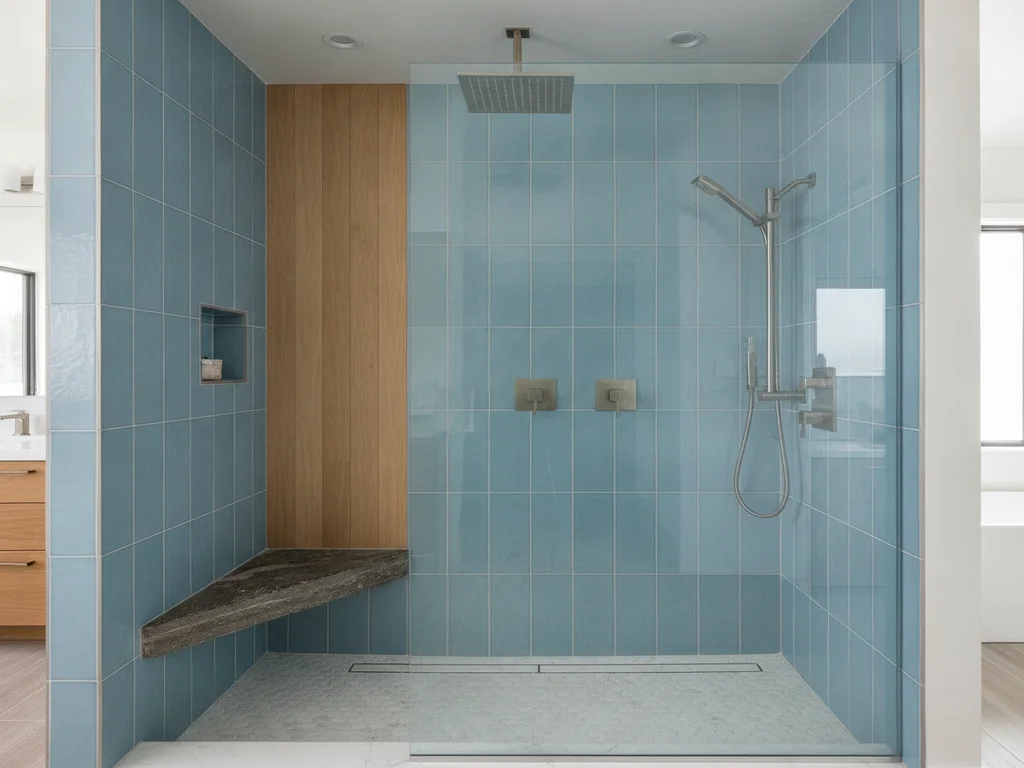
3. Brushed (satin) nickel is the spot-hiding star and one of the most forgiving finishes you can install. Its warm, slightly muted sheen disguises water spots and fingerprints, and it coordinates with almost any palette. Best for: busy households and hard-water bathrooms that want a finish they rarely have to think about.
Matte black: bold, but how does it handle hard water?
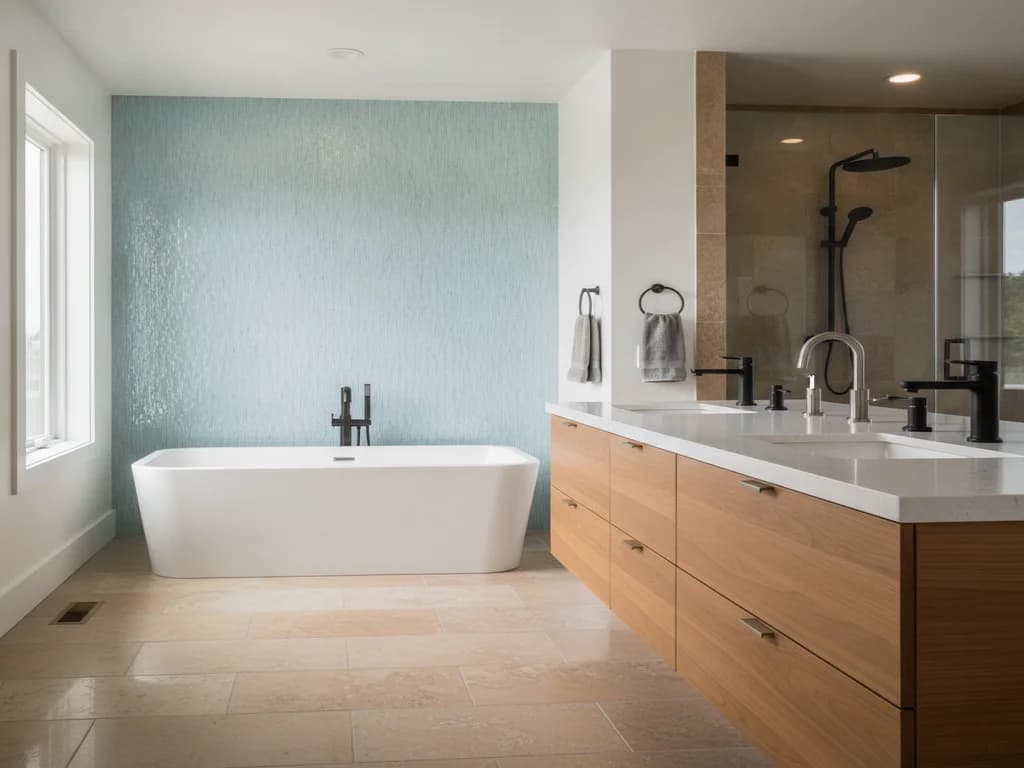
4. Matte black is the bold, modern statement finish. The matte texture hides fingerprints and softens water spots better than gloss, though dried mineral residue can leave a faint chalky film that needs occasional wiping. A quality PVD or powder matte holds up well. Best for: modern and modern-farmhouse baths wanting contrast and drama, with a quick periodic wipe-down.
Brushed gold & champagne bronze: warm and on-trend?
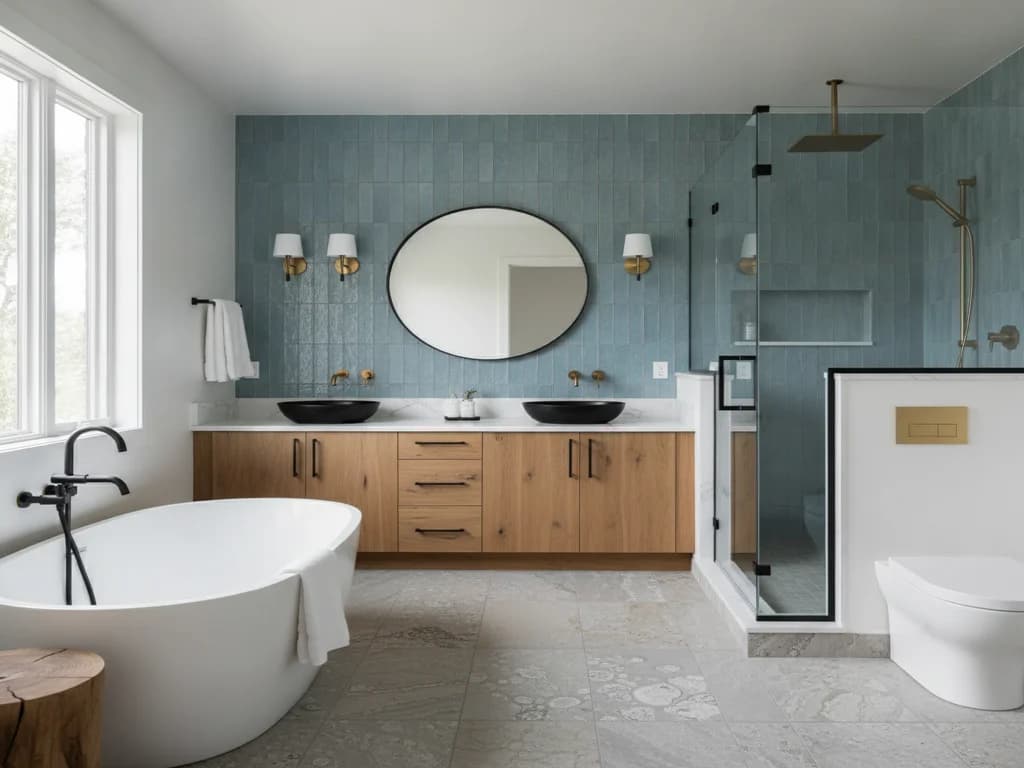
5. Brushed gold and champagne bronze bring warmth and a current, slightly luxe feel. The brushed texture hides spots well, and the warm tone flatters white, navy, green, and natural-wood palettes. Best for: warm and transitional schemes that want a softer alternative to silver tones without going full traditional brass.
Oil-rubbed & venetian bronze: best for traditional baths?
6. Oil-rubbed and venetian bronze read deep, dark, and traditional. Some are "living finishes" that develop highlights with use; others are sealed for consistency. The dark tone hides spotting well. Best for: traditional, rustic, and Craftsman-leaning baths — a natural fit for some of Boise’s older North End homes.
Polished nickel vs brushed nickel — which is right?
7. Polished nickel offers a warmer, slightly softer shine than chrome — upscale and timeless — but like any polished finish it shows spots. 8. Brushed nickel trades a little of that brilliance for far better everyday spot-hiding. Best for: polished nickel in a more formal, lower-traffic bath you are happy to wipe; brushed nickel for everyday durability and low fuss.
Brushed brass and stainless: where do they fit?
9. Brushed brass is warm and characterful, sitting between gold and bronze, and the brushed texture hides spots. 10. Stainless finishes are durable, neutral, and spot-tolerant, reading clean and contemporary. Best for: brushed brass in warm, design-forward baths; stainless where you want a tough, understated, modern look.
Which finishes hide hard-water spots best in Boise?
11. The hard-water ranking is straightforward: brushed nickel, matte black, brushed gold, brushed brass, and bronze tones hide spotting best; polished chrome, polished nickel, and gloss black show it most. Published Treasure Valley city figures reach the hard range — Kuna averages 8.05 grains per gallon and Nampa reports up to 7.08 — so this is a genuine selection factor, not a footnote. The chemistry of why is covered in why Boise’s hard water spots fixtures; this article just tells you which finish to pick because of it.
Which finishes show fingerprints the most?
12. Fingerprints track the same gloss-versus-texture rule. Polished chrome, polished nickel, and glossy black show prints most; brushed and matte finishes hide them. If your faucet sits where hands touch it constantly — a kids’ bath, a powder room used by guests — texture is your friend.
Can you mix metal finishes in one bathroom?
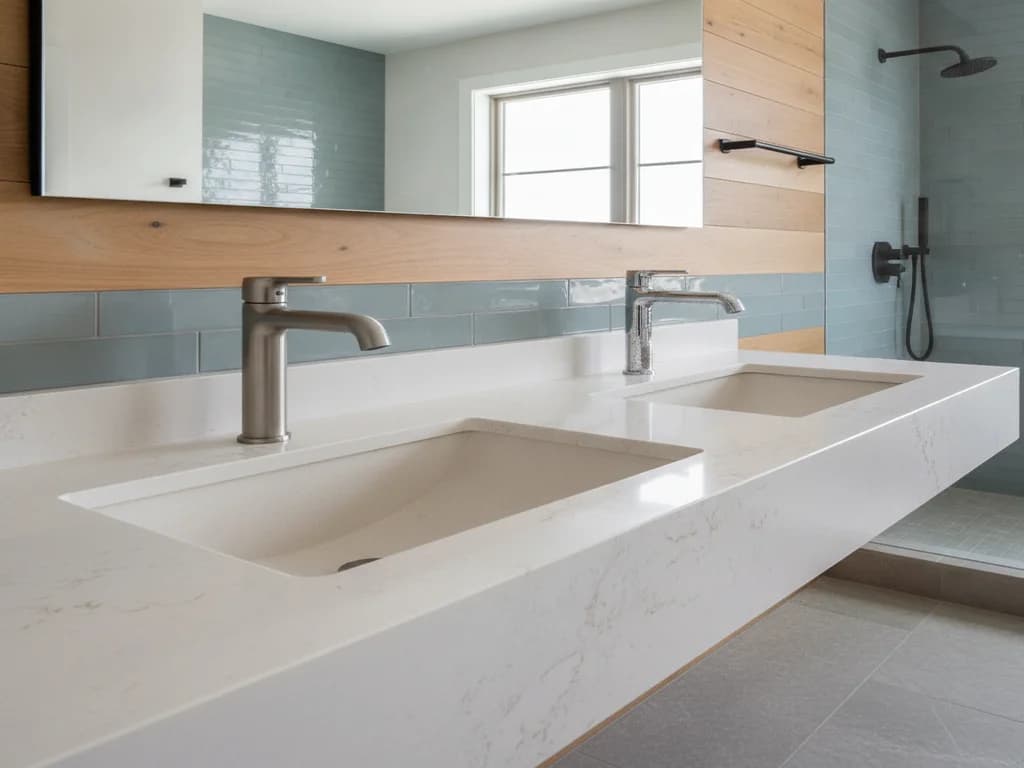
13. Yes — with discipline. The reliable formula is one dominant finish plus one accent, not three competing tones. Pick a dominant for the faucets and showerhead, then use a second finish as a deliberate accent (a black mirror frame against brushed-nickel fixtures, say). Keep warm with warm or cool with cool unless you are intentionally going for contrast. The NKBA’s coordination guidance treats this dominant-plus-accent approach as the safe default.
How do you coordinate fixtures with hardware and lighting?
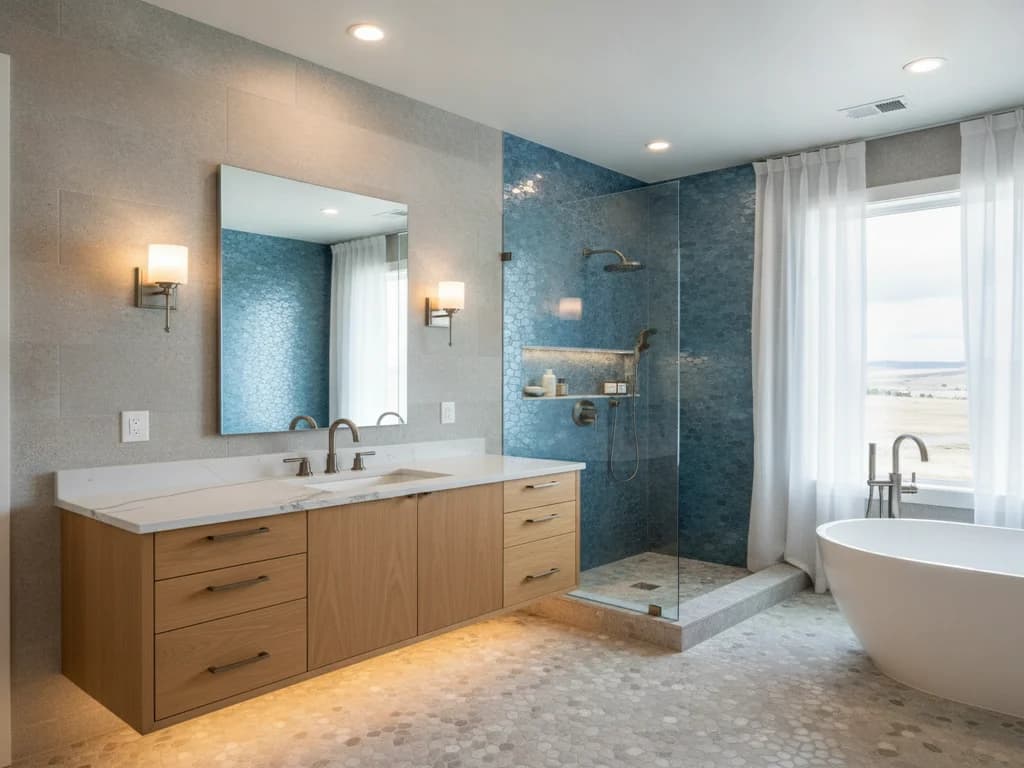
14. Coordinate the whole room, not just the faucet. The faucet, showerhead, shower trim, drain, towel bars, cabinet hardware, and even the layered bathroom lighting ideas you choose all read together. The cleanest look keeps the dominant finish consistent across the "working" fixtures and lets lighting or a mirror frame carry the accent. Plan the whole palette at once so nothing is an afterthought.
How do you clean and protect each finish?
15. Care by finish: wipe polished chrome and nickel dry after use to prevent spotting; clean matte black and brushed finishes with mild soap and water and avoid abrasive pads; never use harsh acids or abrasive cleaners on any plated or PVD finish, as they can damage the coating. Manufacturer care guides from Kohler, Delta, and Moen are the authority for your specific product — follow them to keep any warranty intact.
| Finish | Look | Hard-water spot resistance | Care | Best for |
|---|---|---|---|---|
| Polished chrome | Crisp, classic | Low (shows spots) | Wipe dry often | Traditional / transitional |
| Brushed/satin nickel | Warm, muted | High | Low | Busy, hard-water baths |
| Matte black | Bold, modern | Medium–high | Occasional wipe | Modern / farmhouse |
| Brushed gold / champagne | Warm, luxe | High | Low | Warm, transitional schemes |
| Oil-rubbed / venetian bronze | Deep, traditional | High | Low | Traditional / Craftsman |
| Polished nickel | Soft, upscale shine | Low–medium | Wipe to keep crisp | Formal, low-traffic baths |
| Brushed brass | Warm, characterful | High | Low | Design-forward warm baths |
| Stainless | Neutral, contemporary | Medium–high | Low | Tough, understated looks |
Which finish is the best all-around pick for a Boise bathroom?
If you want one safe answer for the Treasure Valley’s hard water, brushed nickel in a PVD finish is the lowest-fuss, most forgiving, widely available choice — it hides spots, suits nearly any style, and wears well. Matte black and brushed gold are the strong style-forward alternatives that still hide spotting. From there, fixture-material longevity matters too — see which fixture materials actually last — and you can see finished bathrooms to picture the finishes in context. When you are coordinating a whole room, our team can help during a master bath retreat with coordinated fixtures.
Ready to plan your Boise bathroom?
Licensed & insured · 3-year workmanship warranty
Frequently asked questions
- What bathroom fixture finish is best for hard water?
- Brushed and matte finishes — brushed nickel, matte black, brushed gold, brushed brass, and bronze tones — hide hard-water spots best because their texture scatters light. Polished chrome and polished nickel show spotting most. In a PVD coating, brushed nickel is the most forgiving all-around pick for Boise water.
- Is brushed nickel or chrome better for hiding water spots?
- Brushed nickel hides water spots and fingerprints much better than polished chrome because its satin texture disguises mineral residue, while chrome’s high shine reflects every drop. Chrome looks crisper when wiped dry, but brushed nickel is far easier to live with in hard water.
- Can you mix metal finishes in a bathroom?
- Yes. The reliable rule is one dominant finish plus one accent — for example brushed-nickel fixtures with a matte-black mirror frame — rather than three competing tones. Keep warm tones together or cool tones together unless you are deliberately creating contrast.
- What is a PVD finish and is it worth it?
- PVD (physical vapor deposition) bonds an extremely hard, thin coating to a fixture, resisting scratches, corrosion, and tarnish far better than standard electroplating. It is usually worth it on high-touch faucets and handles, and it is what manufacturers market as "lifetime" or "spot-resist" finishes.
- Does matte black show water spots and fingerprints?
- Matte black hides fingerprints well because of its non-reflective texture, but dried hard-water minerals can leave a faint chalky film that needs occasional wiping. A quality PVD or powder matte holds up well. Overall it hides spotting far better than glossy chrome or gloss black.
- What finish is easiest to clean?
- Brushed nickel and brushed gold are among the easiest to live with — their texture hides spots and prints, so they look clean longer with just mild soap and water. Avoid abrasive pads and harsh acidic cleaners on any plated or PVD finish to protect the coating.
Sources
- City of Kuna — Water Reports (average hardness 137.73 mg/L, 8.05 gpg)
- City of Nampa — 2025 Water Quality Report (PWS ID3140080)
- Kohler — faucet finish & PVD care documentation
- Delta Faucet — finish warranty & care guides
- National Kitchen & Bath Association — finish & hardware coordination
- EPA WaterSense — water hardness & fixture context
Claims and figures are drawn from the sources above and provided for general guidance; your project may vary. Photography is illustrative of design concepts. For a fixed price on your specific bathroom, request a free estimate.