Updated July 16, 2026 · 7 min read
By Boise Bath — bathroom & shower remodeling in Boise & the Treasure Valley
The short answer
Stone resin is the best all-around shower base — solid underfoot, repairable, and warmer than acrylic for a modest premium. Acrylic is the value pick for standard sizes, tile-ready foam pans are the best route to a tiled floor, and a mud-set bed is the only answer for fully custom or curbless layouts.
Key takeaways
- Stone resin (solid-surface composite) is the best overall pick: no flex or hollow sound underfoot, a surface that can be sanded and repaired, and standard sizes at a mid-range price.
- Acrylic is the best budget base — light, warm to the touch, and fast to install — but it can flex if poorly supported and deep scratches are hard to fix.
- Tile-ready foam pans (the Schluter and wedi type) are the best way to get a tiled shower floor: pre-sloped, fully waterproofed, and far more predictable than a hand-built bed.
- A traditional mud-set bed is the best base for custom footprints and curbless showers — nothing else conforms to an odd shape or a flush entry as well.
- The base fails at the drain and the waterproofing far more often than at the surface — installation quality outranks material choice.
- Skip thin fiberglass units and any base that flexes underfoot in the showroom; movement is what cracks bases and opens leaks.
The short answer: four materials cover almost every shower
Walk into any shower conversation and the base question comes down to four materials: acrylic, stone resin, tile-ready foam pans, and a hand-built mud-set bed under tile. Each one is the right answer for a different project — this article ranks them by category, not by brand, because a well-installed mid-range base beats a premium one set badly every time.
One scope note before the ranking: this is about choosing a new base. If your existing pan is cracked, leaking, or moving underfoot, the decision path is different — start with replacing a shower pan, which covers the symptoms, what replacement involves, and why a failing pan usually means opening the surrounding walls too.
The other fork in the road is the entry. If you want a flush, no-step shower, the base decision is largely made for you — more on that below, and in full in converting to a curbless shower.
Acrylic: the best value base for standard sizes
Acrylic bases are vacuum-formed sheets reinforced with fiberglass backing — light enough for one person to carry, warm to the touch, and quick to set. For a standard alcove in a common size (60×32 is the classic), acrylic delivers a clean, non-porous floor at the lowest installed cost of any real base, typically a few hundred dollars for the unit itself, per HomeAdvisor cost data.
The trade-offs are feel and repairability. Acrylic can sound hollow and flex slightly underfoot if the installer skips the mortar bed most manufacturers call for beneath it — and that flex, over years, is what cracks bases. Deep scratches and gouges are also difficult to repair invisibly, unlike solid-surface materials that sand out.
Acrylic earns its spot when the footprint is standard, the budget is real, and the installer sets it properly supported. It loses when the layout is custom or when you want the base to feel like stone underfoot.
Stone resin: the best all-around upgrade
Stone resin — also sold as solid-surface or composite stone — is crushed mineral bound in resin and cast as a solid slab. There is no hollow cavity and no flex: it feels like standing on stone because functionally you are. The material runs all the way through, so scratches and even chips can be sanded and polished out, which no acrylic base can claim.
Cost sits a tier above acrylic — typically several hundred to over a thousand dollars for the base alone depending on size and profile, per Angi cost guides — and the units are heavy, which makes installation less forgiving. But for a base you will stand on daily for twenty years, the solidity and repairability are what most homeowners are actually asking for when they say they want "quality."
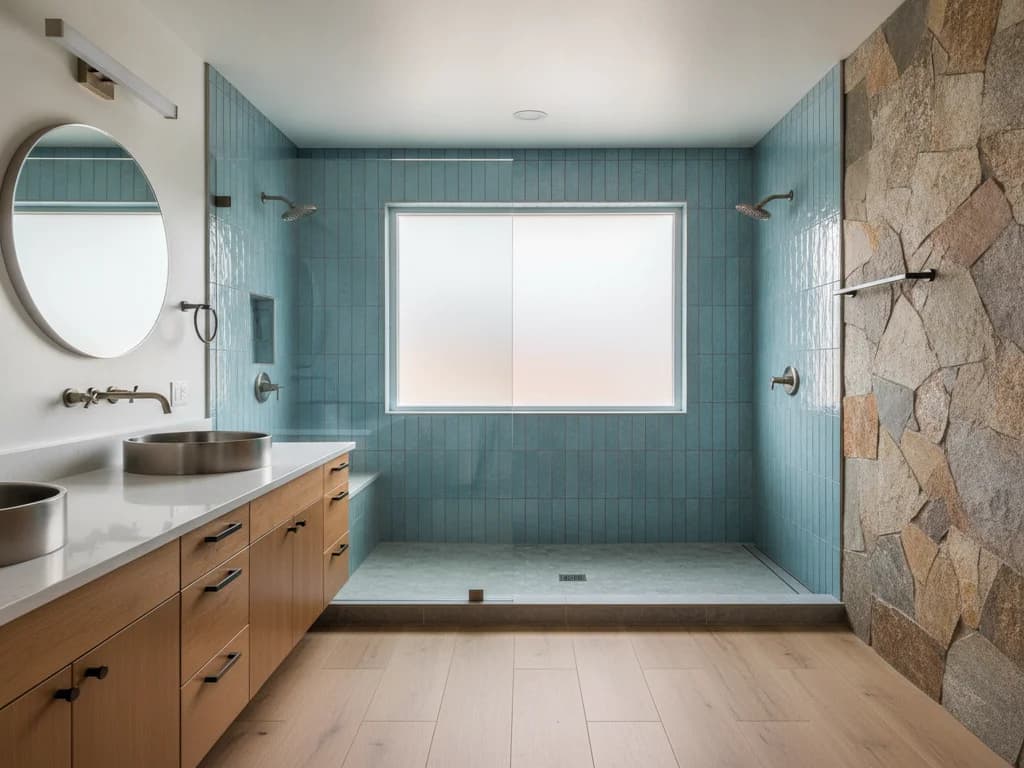
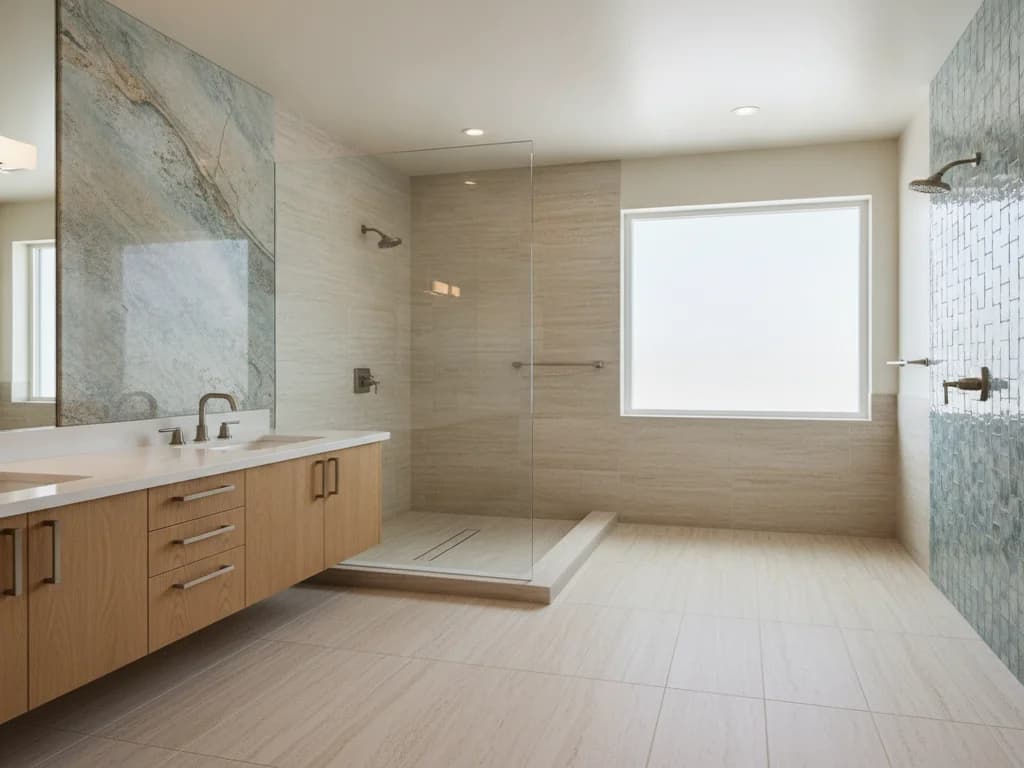
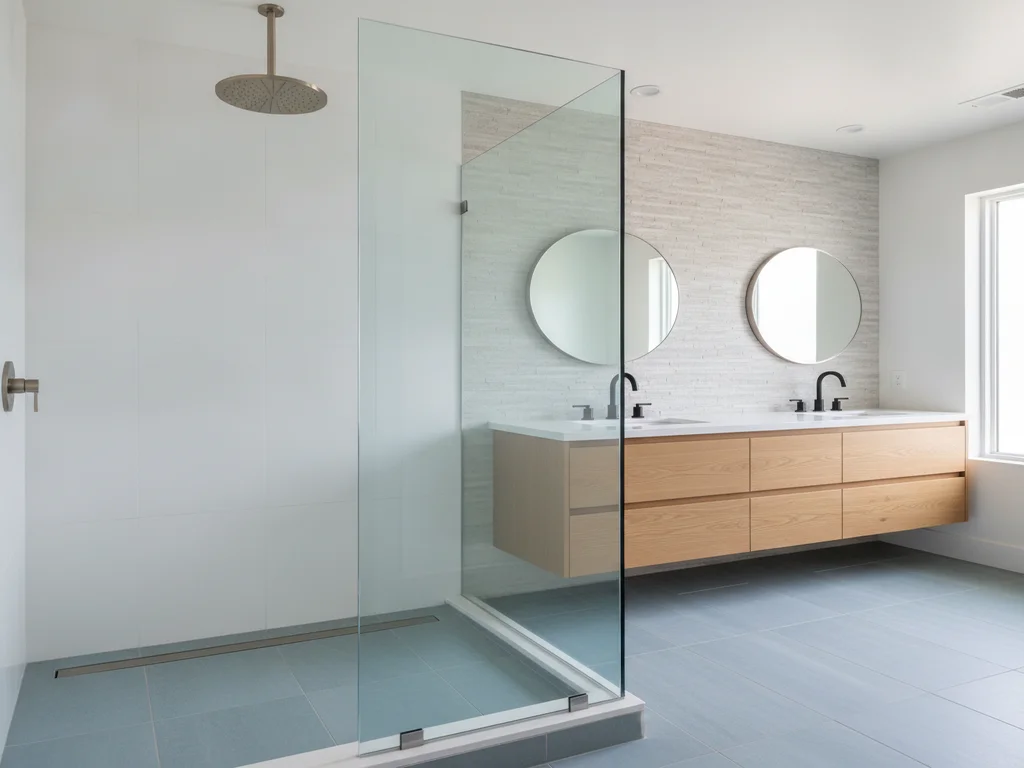
Low-profile stone resin bases have also become the design default for modern walk-in showers: thin edges, minimal curb, and matte finishes that pair with the wall material conversation instead of fighting it.
Tile-ready foam pans: the best route to a tiled floor
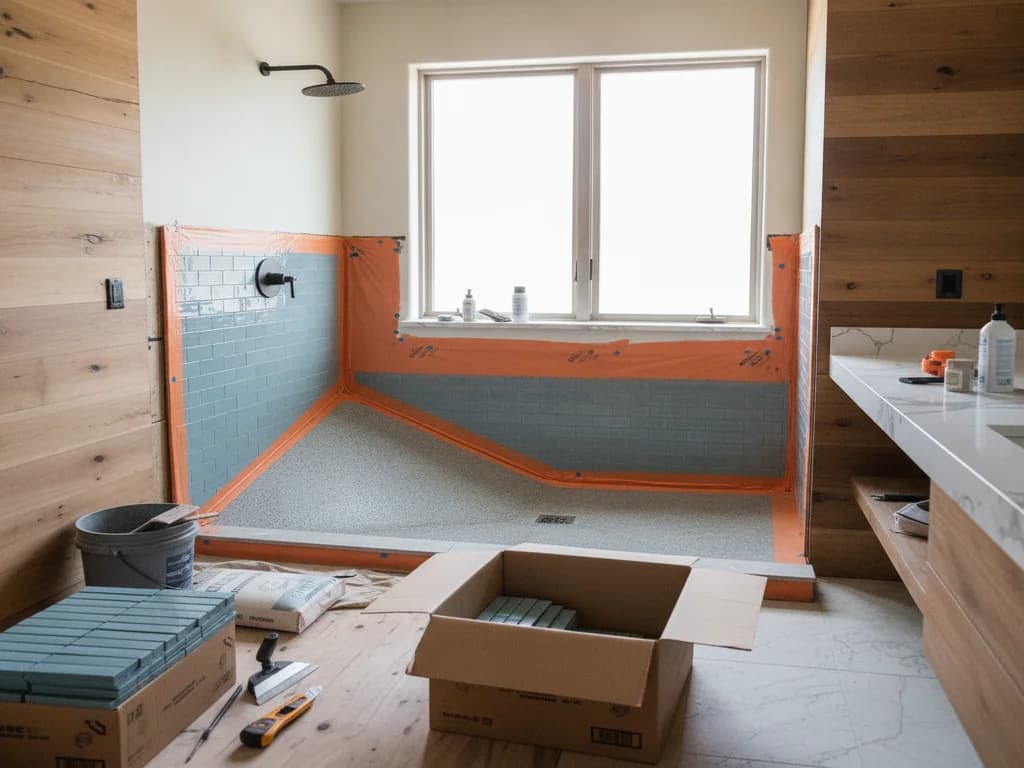
If you want tile underfoot, the modern answer is a factory-made, pre-sloped foam pan — the category Schluter and wedi built. The pan arrives with the slope engineered in, bonds to a matching waterproofing system, and takes tile directly on top. What used to be the trickiest hand-built assembly in the bathroom became a system with published instructions and a single-manufacturer warranty when installed as designed.
The honest caveat: the pan is only half the story. The foam system, the banding, the drain assembly, and the wall waterproofing have to come from a compatible system and be installed to spec — mixing components or skipping details is where tiled showers fail. The shower waterproofing guide explains what a correct assembly looks like behind the tile.
Cost is the highest of the prefab options once tile and labor land on top, but you get the one thing no drop-in base offers: a floor that matches the rest of the shower, in any tile the slip specs allow.
The base is a system, not a slab
Most shower floor failures are not the visible surface — they are the drain connection and the waterproofing beneath it. Whichever material you choose, the questions that matter are: is the base fully supported, is the drain assembly matched to the system, and is the waterproofing continuous from floor to walls? A beautiful base over a botched assembly is a leak on a delay timer.
Mud-set beds: the best base for custom and curbless showers
The traditional mud-set bed — a hand-floated mortar slope under a waterproofing layer and tile — is the oldest method on this list and still the only one that handles truly custom work. Odd footprints, angled walls, multiple drains, oversized showers: a skilled installer floats the slope to fit whatever the room is, which no factory pan can promise.
It is also the backbone of most curbless work. Achieving a flush, no-step entry usually means recessing the floor structure and building the slope from scratch, and a mud bed is how that gets done — the full picture, including the framing implications, lives in converting to a curbless shower.
The trade-off is that quality depends entirely on the installer. A mud bed is craftsmanship, not a product — there is no factory slope to fall back on. In practice that makes it the most expensive path and the one where hiring matters most, which is why standard-footprint projects usually land on a foam pan instead.
The picks by category
All four materials, side by side:
| Material | Best for | Feel underfoot | Repairability | Relative cost installed |
|---|---|---|---|---|
| Acrylic | Standard alcoves on a budget | Warm; can flex if under-supported | Poor — deep scratches are permanent | $ |
| Stone resin (solid surface) | Best all-around; modern low-profile looks | Solid, stone-like, no flex | Excellent — sands and polishes out | $$ |
| Tile-ready foam pan | Tiled floors with modern waterproofing | Solid once tiled; tile choice sets grip | Tile is repairable; pan protected beneath | $$$ |
| Mud-set bed + tile | Custom footprints and curbless entries | Solid; fully custom slope | Tile is repairable; bed is craft-dependent | $$$–$$$$ |
Relative cost tiers reflect typical installed ranges per HomeAdvisor and Angi cost guides; exact figures vary with size, tile selection, and site conditions. Get project-specific bids rather than budgeting from national averages.
What to skip
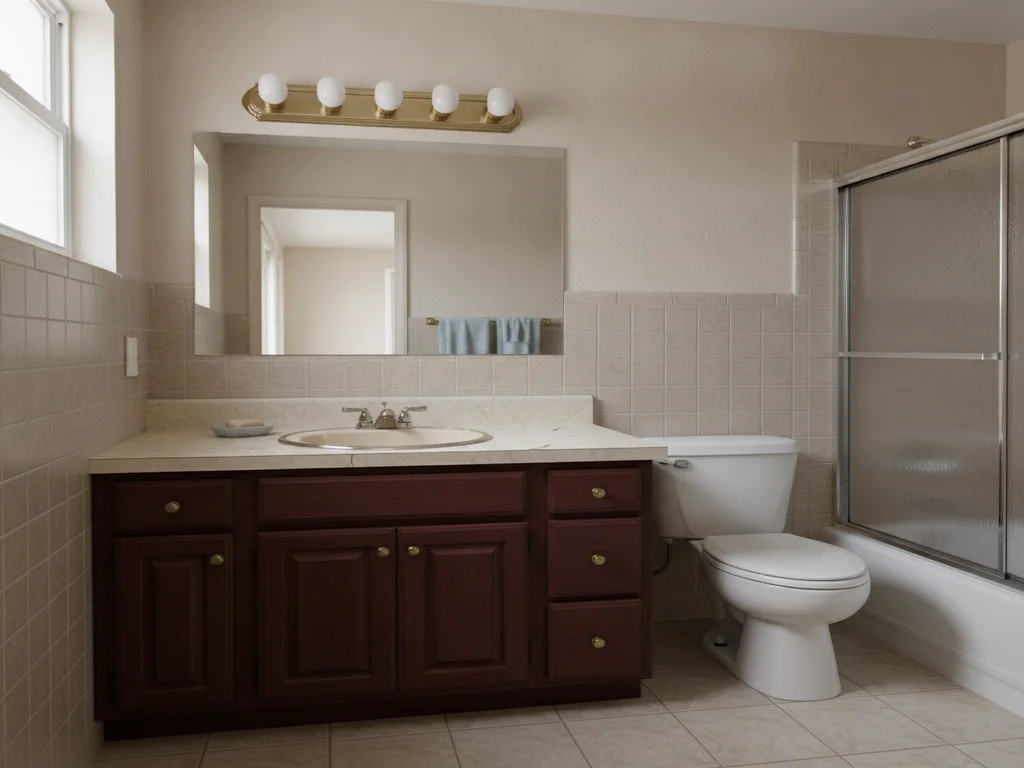
Thin fiberglass units — the builder-grade bases common in 1990s and 2000s Treasure Valley tract homes — are the material most of the replacement calls come from. They flex, craze, and get brittle with age, and the price gap between fiberglass and a proper acrylic or stone resin base is small next to the cost of doing the job twice.
Also skip any base that flexes in the showroom, any tile-ready pan sold without its matching drain and waterproofing components, and any bid that treats the base as a drop-in item with no mention of support or waterproofing. If a pan is being replaced because it failed, insist on knowing why it failed — a base set over the same problem inherits it.
Finally, be realistic about very cheap "stone resin" imports: the category has a wide quality range, and the low end can be resin-heavy and chip-prone. Weight is a rough proxy — genuine mineral-filled bases are heavy — and a reputable supplier matters more here than in any other category.
Matching the base to your project
The picks, applied to real situations:
- Standard alcove, budget-conscious remodel: acrylic in a stock size, set in a full mortar bed — the honest value play.
- Modern walk-in shower, mid-to-upper budget: low-profile stone resin — the solid feel and clean edge are what the look is built on.
- You want tile underfoot to match the walls: a tile-ready foam pan from a single-manufacturer system, installed to spec.
- Curbless entry or aging-in-place plan: mud-set bed (or a curbless-specific foam system) — start with the curbless conversion guide because the floor structure drives the budget.
- Odd footprint, corner angles, or an oversized shower: mud-set bed floated to fit — the custom problems are what it exists for.
- Existing pan cracked or leaking: diagnose before you shop — replacing a shower pan covers why the failure mode changes the scope.
Ready to plan your Boise bathroom?
Licensed & insured · 3-year workmanship warranty
Frequently asked questions
- Is a stone resin shower base better than acrylic?
- For most remodels, yes. Stone resin is solid mineral composite — no flex, no hollow sound, and scratches sand out because the material runs all the way through. Acrylic costs less and installs faster, but it depends on proper support to avoid flex and cannot be invisibly repaired. If the budget covers the difference, stone resin is the better twenty-year decision.
- What is a tile-ready shower pan?
- A factory-made, pre-sloped foam pan — Schluter and wedi are the best-known systems — that bonds to matching waterproofing and takes tile directly on top. It replaces the hand-floated mortar bed for standard footprints, with the slope engineered in and a single-manufacturer warranty when the full system is installed to spec. It is the most predictable route to a tiled shower floor.
- How long does a shower base last?
- A properly installed quality base should outlast the rest of the shower — stone resin and tiled floors over sound waterproofing are effectively multi-decade assemblies. Acrylic typically gives a long service life too when fully supported. What shortens any base’s life is flex, a bad drain connection, or failed waterproofing, which is why installation quality matters more than the material label.
- Can you put a shower base over an existing floor?
- Sometimes, but the subfloor has to be sound, level, and able to carry the load — and if the old base failed from leaking, the structure beneath needs inspection before anything new goes down. A professional will open the area, verify the drain rough-in lines up, and correct the substrate first. Setting a new base over hidden damage is how the same failure repeats.
- Do I need a mud-set shower pan for a curbless shower?
- Usually the floor has to be custom-built either way. A flush entry means the shower floor sits at or below the bathroom floor, which typically requires recessing the framing and building the slope in place — a mud bed or a curbless-specific foam system does that. Standard drop-in bases with integral curbs cannot get there, which is why curbless projects are structural conversations before they are material ones.
Sources
- Schluter Systems
- wedi Corporation
- Tile Council of North America (TCNA)
- HomeAdvisor — True Cost Guide
- Angi — Cost Guides
Claims and figures are drawn from the sources above and provided for general guidance; your project may vary. Photography is illustrative of design concepts. For a fixed price on your specific bathroom, request a free estimate.