Updated July 16, 2026 · 7 min read
By Boise Bath — bathroom & shower remodeling in Boise & the Treasure Valley
The short answer
Hairline spider cracks in the gelcoat are usually cosmetic; a crack that moves when you press beside it means the base was installed without full support and will keep cracking. Patch kits are honest only for stable surface crazing. A flexing floor, a growing crack, or any water escaping below makes repair temporary — replacement is the durable fix.
Key takeaways
- The press test is the whole diagnosis: push firmly next to the crack — if the surface flexes or the crack edges move, the base lacks support underneath and no surface patch will hold.
- Spider cracks (crazing) are gelcoat-deep cosmetic aging; structural cracks run in a line, often radiating from the drain or a corner, and typically start where the floor flexes.
- Most fiberglass floor cracks trace to installation — a unit set without a mortar or foam support bed underneath — which is why they concentrate in builder-grade homes.
- A crack that goes through the shell is an active leak path into the subfloor, even when nothing shows downstairs yet.
- Professional repairs (support injection plus a laminate patch) are legitimate for buying years on a sound unit, but color match is imperfect and the fix is only as good as the restored support.
- On a unit that is 20-plus years old, patch money is usually better spent toward replacement — the crack rarely stays the last problem.
First, figure out which crack you have
Fiberglass showers crack in two fundamentally different ways, and everything downstream — urgency, fixability, cost — depends on which one you are looking at.
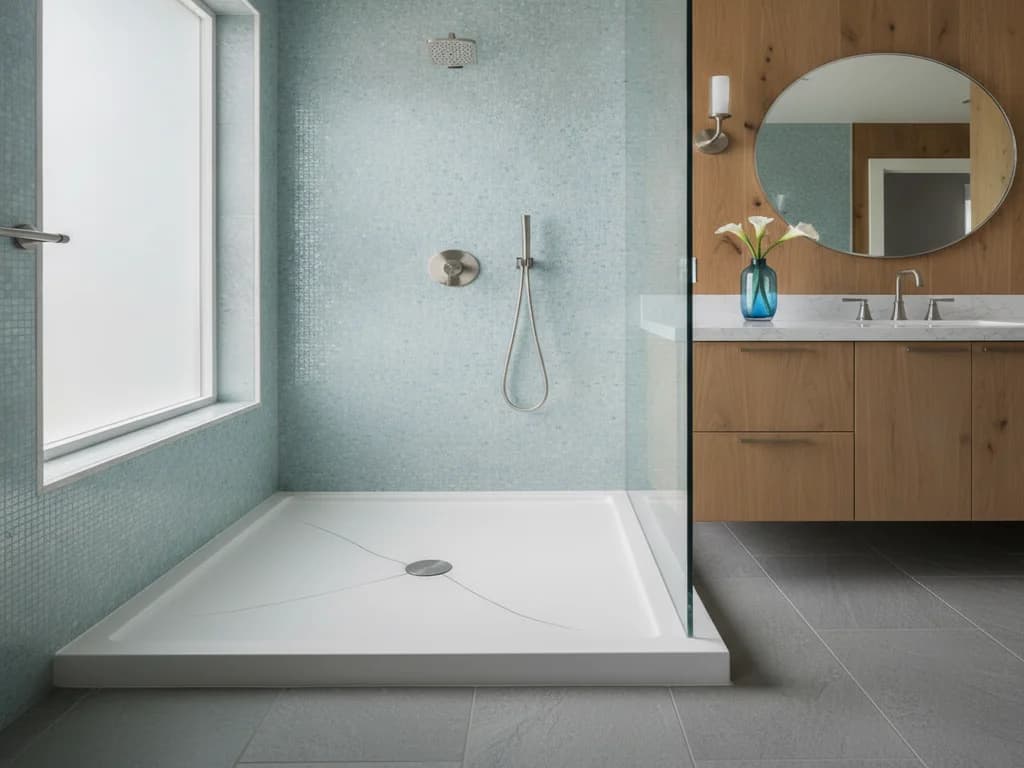
Spider cracks, also called crazing, are networks of fine hairlines that sit in the gelcoat — the thin, glossy factory finish over the structural laminate. They spread in web or starburst patterns, often around a point where something was dropped or where the finish has simply aged and gotten brittle. Run a fingernail across them: crazing usually will not catch it. These are cosmetic in the same way a scratched car clearcoat is cosmetic.
Structural cracks are different animals. They run as a single line or a narrow branching one, commonly starting at the drain, a corner, or the middle of the floor pan. A fingernail catches. They grow over months. And they exist because the shell is bending — fiberglass is tough in tension but it fatigues wherever it flexes repeatedly over a void.
The overlap case: crazing concentrated in one flexing area. Treat that as structural. The web pattern is just the early warning of the same underlying movement.
The press test: is your base flexing?
This is the one diagnostic every homeowner can do safely. With the shower dry, press down firmly — or step carefully — right beside the crack, and watch the crack itself.
A solid unit feels like pressing on a countertop: no give, no sound, no movement at the crack edges. A failing one flexes visibly, sometimes with a dull popping or creaking, and the crack edges shift against each other. Check the whole floor while you are at it; hollow-feeling zones that sink a few millimeters underfoot are voids waiting to crack.
Why voids exist at all: a one-piece fiberglass unit is a thin shell, and the floor pan is supposed to be set into a bed of mortar or structural foam that supports it continuously. Manufacturers specify this in their installation instructions. In practice, plenty of production-schedule installs — including in a lot of 1990s and 2000s builder-grade Treasure Valley homes — set the unit straight on the subfloor and let the plastic span the gaps. Every shower after that flexes the shell like a drum head, and after a few thousand cycles the material fatigues and cracks.
This is why the press test matters more than the crack’s appearance: it tells you whether the cause is still active. A crack over a solid base was an event. A crack over a flexing base is a process.
Severity triage: cosmetic, active, or urgent
Sorting the situation into one of three buckets makes the decision straightforward:
- Cosmetic: surface crazing, fingernail does not catch, no flex on the press test, no growth over a couple of months. Ugly but stable — a cleaning and appearance problem, not a water problem.
- Active: a defined crack with flex underneath, or any crack that has visibly lengthened. The shell is fatiguing and the crack will grow; assume it either penetrates now or will soon.
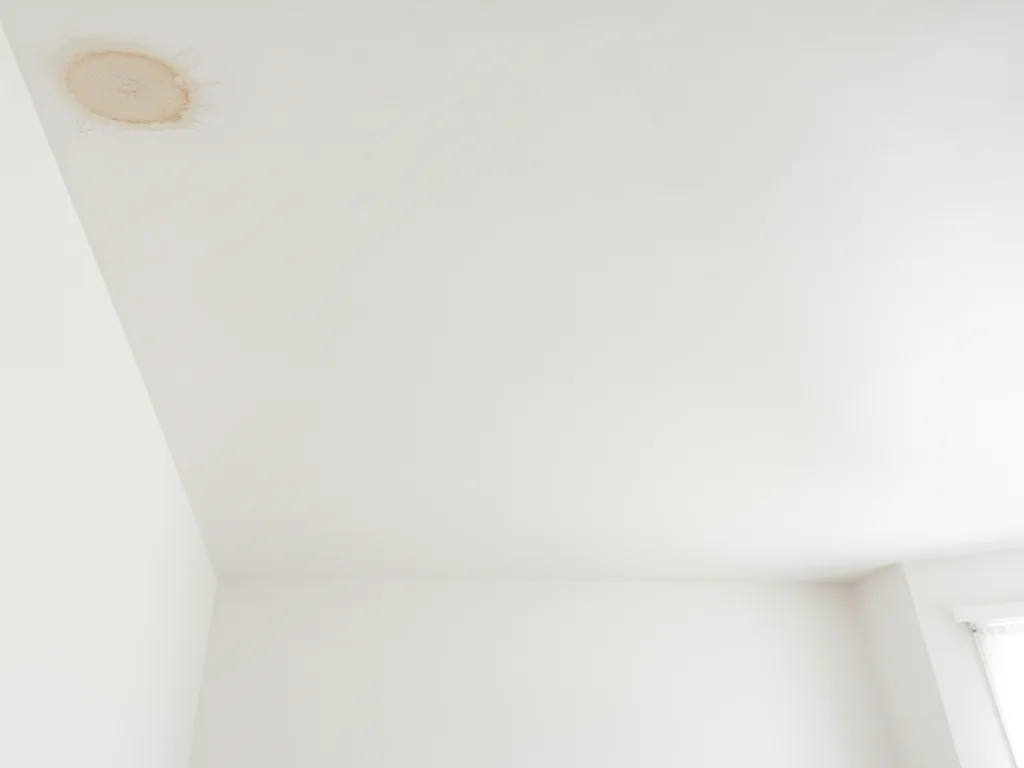
- Urgent: a through-crack you can feel both edges move on, water appearing outside the shower or on a ceiling below, a soft floor around the shower, or a musty smell. Water is reaching the subfloor — stop using the shower and get an inspection.
A through-crack leaks before it shows
A crack that penetrates the shell puts water into the subfloor with every shower, and the EPA notes mold can establish on damp material within 24–48 hours. The framing under a shower can absorb months of small doses before a stain ever reaches a ceiling. If your press test shows movement on a floor crack, treat the leak as already happening — the signs downstairs are a lagging indicator, as we cover in signs of a leaking shower.
The honest truth about patch kits
Hardware-store fiberglass repair kits — epoxy or polyester filler, sometimes with a cloth patch and a color-matched topcoat — occupy a strange place: genuinely useful for one narrow job and near-useless for the job most people buy them for.
The narrow job: stable, cosmetic damage on a solid base. Gelcoat crazing, a chip from a dropped shampoo bottle, a gouge that never moves. On those, a careful patch seals and blends acceptably, though rarely invisibly — factory gelcoat is sprayed and cured under heat, and no brush-on repair matches an aged white perfectly. Expect a repair you can find if you look for it.
The job they cannot do: fix a crack over a flexing base. The patch cures rigid on a surface that bends with every use, so it either cracks along the old line or pops loose at the edges — commonly within months. The kit treated the symptom; the void underneath is still flexing the shell. This is not a knock on the products. It is physics: no coating survives a moving substrate.
So the patch-honesty rule is simple: a patch is legitimate exactly when the press test says the base is solid. If the floor moves, skip the kit — the money and the weekend go to the actual problem or toward replacement.
What a professional repair involves — and its real limits
There is a middle path between a $30 kit and a new shower, and for the right unit it is worth knowing about. A professional fiberglass repair on a flexing base has two parts, and the order matters.
First, restore the support. The standard method is drilling small holes in the floor pan and injecting expanding structural foam into the void so the shell bears on something continuous again — recreating the mortar bed the installer skipped. Without this step, everything after it is the patch-kit story with a bigger invoice.
Second, rebuild the surface: the crack is ground out, laminated with fiberglass cloth and resin for actual strength, faired smooth, and topcoated. Done well, the repair is structurally sound and reasonably blended. Done as a refinishing-only job with no support work, it is cosmetic theater.
The honest limits: color match on an aged unit stays imperfect, refinished coatings wear faster than factory gelcoat, and the repair fixes one place on a shell that is the same age everywhere. Per Angi’s cost guides, professional fiberglass shower repairs commonly run roughly $150–$600 depending on damage and access — reasonable insurance on a unit with life left, and a poor investment on one that is already chalky, crazed, and twenty-five years old.
Repair or replace: where the math actually lands
The decision is less about the crack than about the unit around it. A single impact crack on an otherwise sound, reasonably young shower over a solid base: repair, confidently. The damage was an event, the substrate is stable, and a proper laminate patch will outlast your interest in the shower.
A floor crack on a flexing, decades-old builder-grade unit is the other story. The repair bill buys you a foam-injected, patched, color-mismatched version of a shower that is still old everywhere else — the door tracks, the yellowed walls, the fading gelcoat. And a second crack somewhere else on the same fatigued shell is a real possibility. Most homeowners who run that math twice put the repair money toward replacement.
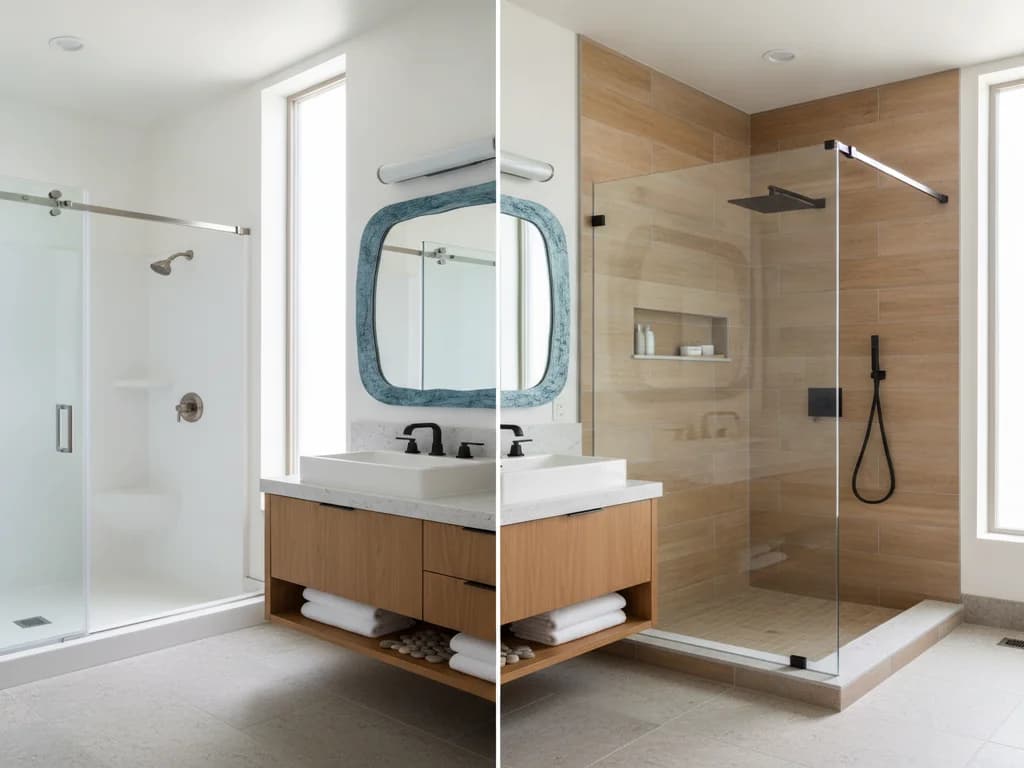
Replacement also reopens choices the original builder made for you: another fiberglass or acrylic unit installs fast and keeps costs down, while the demolition moment is also the natural opening for a tile shower or a different footprint. Our guide to replacing a fiberglass shower walks the whole project, fiberglass vs. tile frames the material decision, and if the crack has you eyeing the whole dated bathroom, should I replace my shower is the bigger-picture version of this question.
One non-negotiable either way: if water has been getting through the crack, the subfloor gets inspected before anything new goes in. Setting a new unit over damp, swollen decking rebuilds the failure with better-looking parts.
Ready to plan your Boise bathroom?
Licensed & insured · 3-year workmanship warranty
Frequently asked questions
- Can you repair a cracked fiberglass shower floor?
- Yes, when the base is solid or the support gets restored first. A professional repair injects structural foam to fill the void under the pan, then grinds, laminates, and refinishes the crack. On a stable base, that is a legitimate multi-year fix. A surface-only patch over a still-flexing floor fails quickly — usually cracking along the same line within months.
- Are spider cracks in a fiberglass shower serious?
- Usually not. Spider cracks, or crazing, are hairline fractures in the thin gelcoat finish — cosmetic aging, like a scratched clearcoat. Confirm with two checks: a fingernail should not catch in the lines, and the floor should not flex when pressed. Crazing concentrated in one spot that moves underfoot is the exception; that pattern is early fatigue from a flexing base and deserves attention.
- Why did my fiberglass shower floor crack?
- Most floor cracks are installation-rooted: the unit was set without the continuous mortar or foam support bed manufacturers specify, leaving the thin shell spanning voids. Every use flexes it slightly, and fiberglass fatigues under repeated flexing until it cracks — commonly near the drain or mid-floor. Impact damage and simple gelcoat aging cause the rest, which is why the press test matters more than the crack’s look.
- Is a cracked fiberglass shower leaking?
- If the crack goes through the shell, assume yes — even with no visible evidence. A through-crack passes small amounts of water into the subfloor on every shower, and framing can absorb months of that before a stain reaches the ceiling below. A crack whose edges move under pressure almost certainly penetrates. Musty smells, soft flooring nearby, or downstairs stains mean it has been leaking for a while.
- How much does it cost to fix a cracked fiberglass shower?
- Per Angi’s cost guides, professional fiberglass shower repairs commonly run roughly $150–$600, with the price driven by whether the base needs foam-injection support work and how large the laminate patch is. DIY kits cost far less but only suit stable cosmetic damage. Once a unit needs repair and is also old, dated, and crazed, many homeowners put that money toward replacement instead.
- Should I replace a cracked fiberglass shower instead of repairing it?
- Run three checks: the press test (does the base flex?), the unit’s age and overall condition, and whether water has already escaped. A young, sound unit with one impact crack: repair. A flexing, 20-plus-year-old builder-grade unit with a growing floor crack: replacement is usually the better spend, since the repair leaves you with an old shower that has already proven its install was shortcut.
Sources
Claims and figures are drawn from the sources above and provided for general guidance; your project may vary. Photography is illustrative of design concepts. For a fixed price on your specific bathroom, request a free estimate.