Updated July 6, 2026 · 8 min read
By Boise Bath — bathroom & shower remodeling in Boise & the Treasure Valley
The short answer
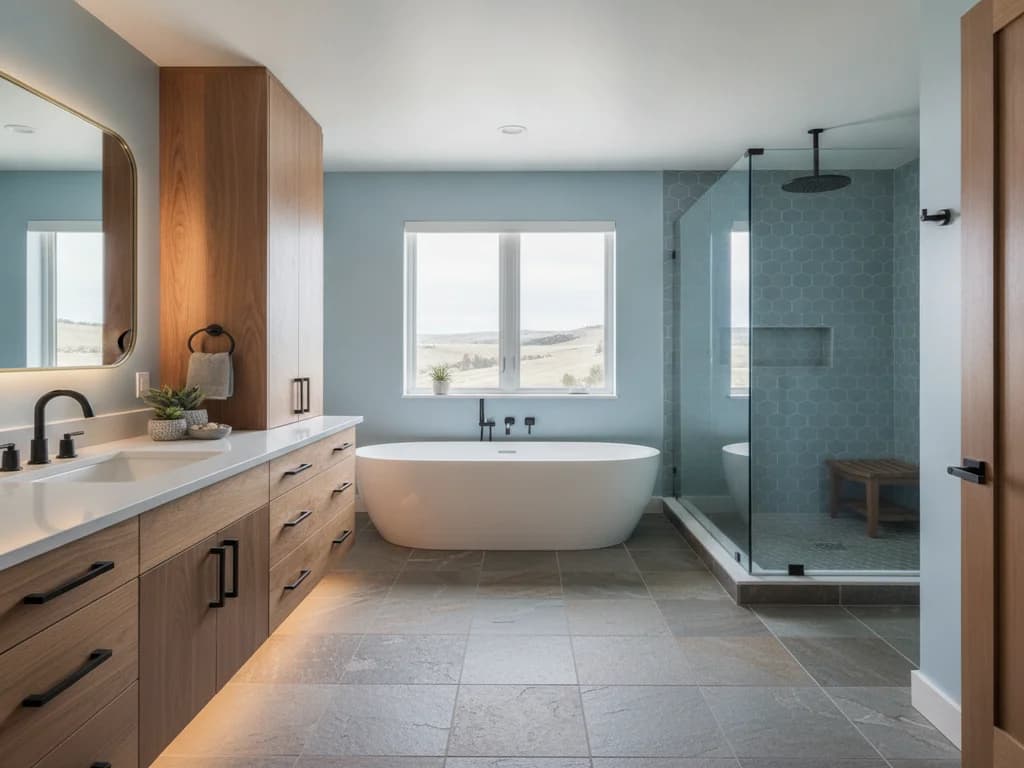
A well-modernized 1950s–70s bathroom keeps what still works — a sound cast iron tub, vintage tile worth saving — while replacing what quietly fails: galvanized plumbing and outdated waterproofing behind the walls. The goal is honoring the era's character without inheriting its hidden risks, especially in Boise Bench homes built during this period.
Key takeaways
- Cast iron tubs and pre-1970s tile were often built to be repaired rather than replaced — condition, not age, decides whether they're worth keeping.
- Galvanized supply lines are prone to rust and corrosion from the inside out; This Old House recommends retrofitting them with copper or PEX rather than tiling over the risk.
- A shower built without a modern waterproofing membrane is the hidden-risk item most worth replacing, regardless of how good the tile above it looks.
- This is a design-and-systems decision, not just a style one — pairing vintage-look fixtures with modern internals lets a bathroom keep its era's character while performing like a new one.
- Boise's Bench neighborhood is full of post-war ranch homes from exactly this era, which makes this keep-or-replace framework directly relevant to a specific, common local housing stock.
Why a mid-century bathroom needs its own approach
Our guide on remodeling older Boise homes covers the full range of eras across the North End, East End, and Bench — Craftsman bungalows through post-war ranches — and the general hidden-condition risks that come with any older home. This article narrows in on one specific era and one specific question: a 1950s–70s bathroom has its own design vocabulary and its own set of things worth keeping, and modernizing one well means knowing which original elements to protect and which to quietly swap out.
The Bench, developed largely mid-century, is full of post-war ranch homes with their own retro vocabulary — pastel and jewel-tone tile, cast iron tubs, and a era-specific plumbing and waterproofing approach that has not aged as gracefully as the design has.
The one-line version
Keep what's cosmetic and well-made — the tub, the tile, the era's palette. Replace what's structural and quietly failing — the supply lines, the waterproofing. Condition decides which bucket something falls into, not just its age.
What to keep: a sound cast iron tub
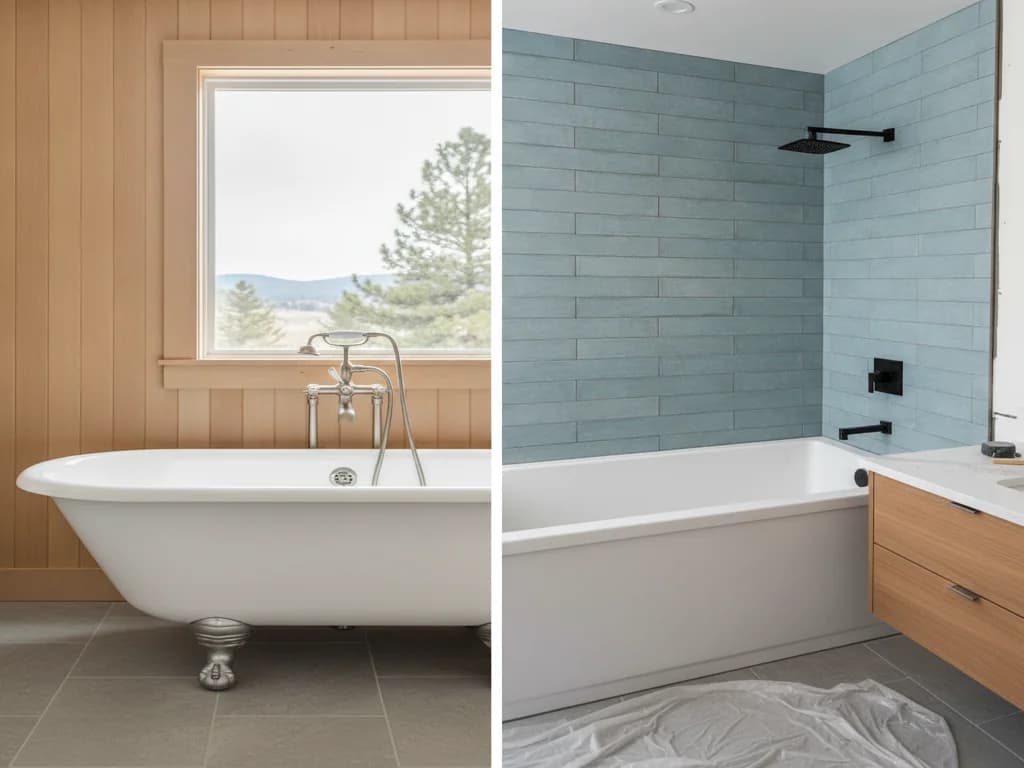
Cast iron tubs from this era are frequently the single best-built fixture in the room, and Bob Vila is direct about their staying power: "A popular accent in 19th century bathrooms, the claw-foot tub continues to make a splash today," a statement that applies just as well to the built-in cast iron tubs common in mid-century construction. Cast iron resists chipping and holds heat far longer than acrylic, and if the surface has only cosmetic wear — dullness, minor scratching, staining — refinishing it costs a fraction of replacement and can last 10–15 years professionally done, per This Old House and Bob Vila's own bathtub-refinishing pricing.
The test is condition, not sentiment: a structurally sound cast iron tub with a tired finish is a strong refinishing candidate. One that's cracked, chipped through to the iron, or leaking at the drain is a different conversation — see our full bathtub refinishing vs. replacement comparison for exactly where that line sits.
What to keep: vintage tile worth saving
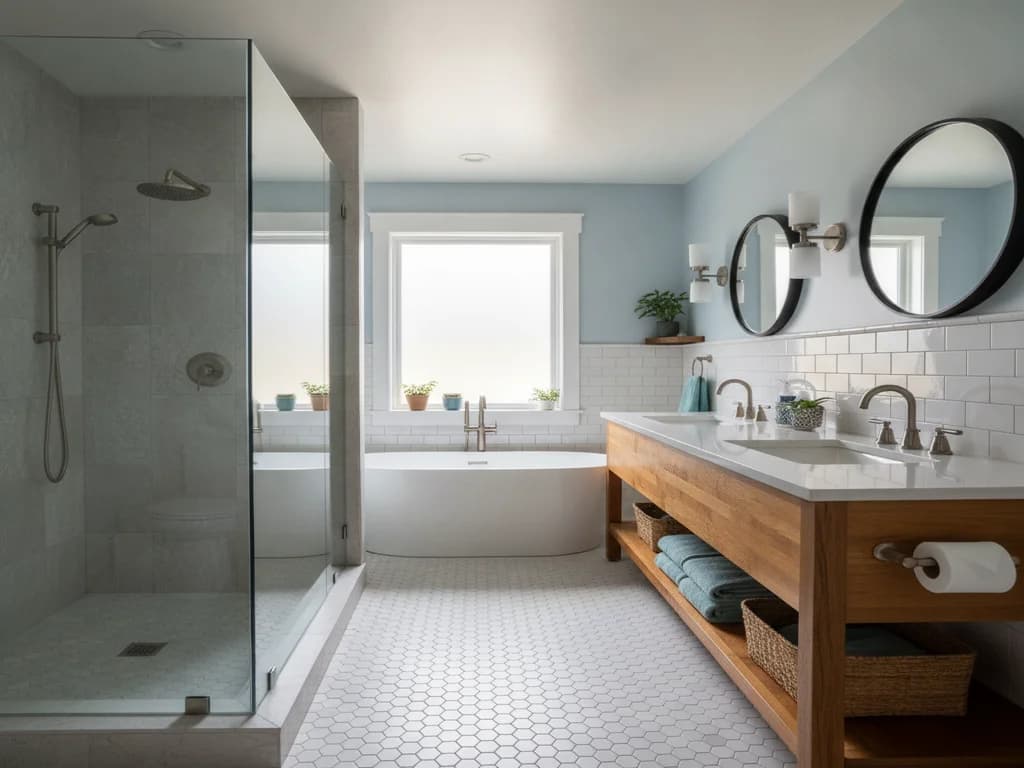
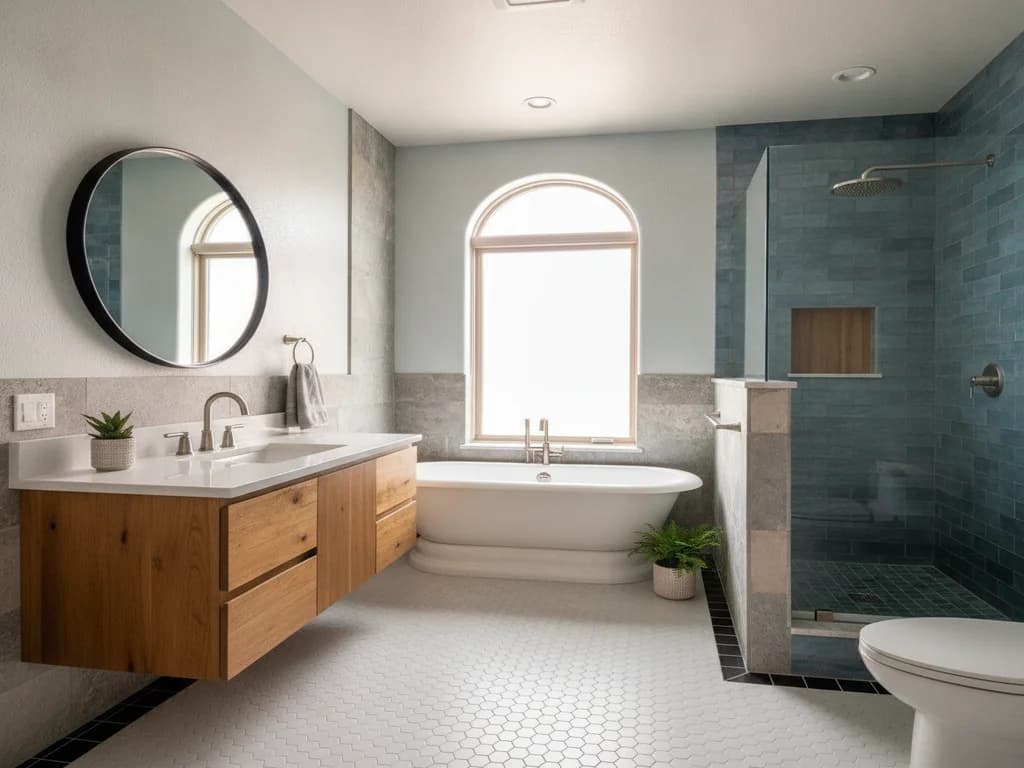
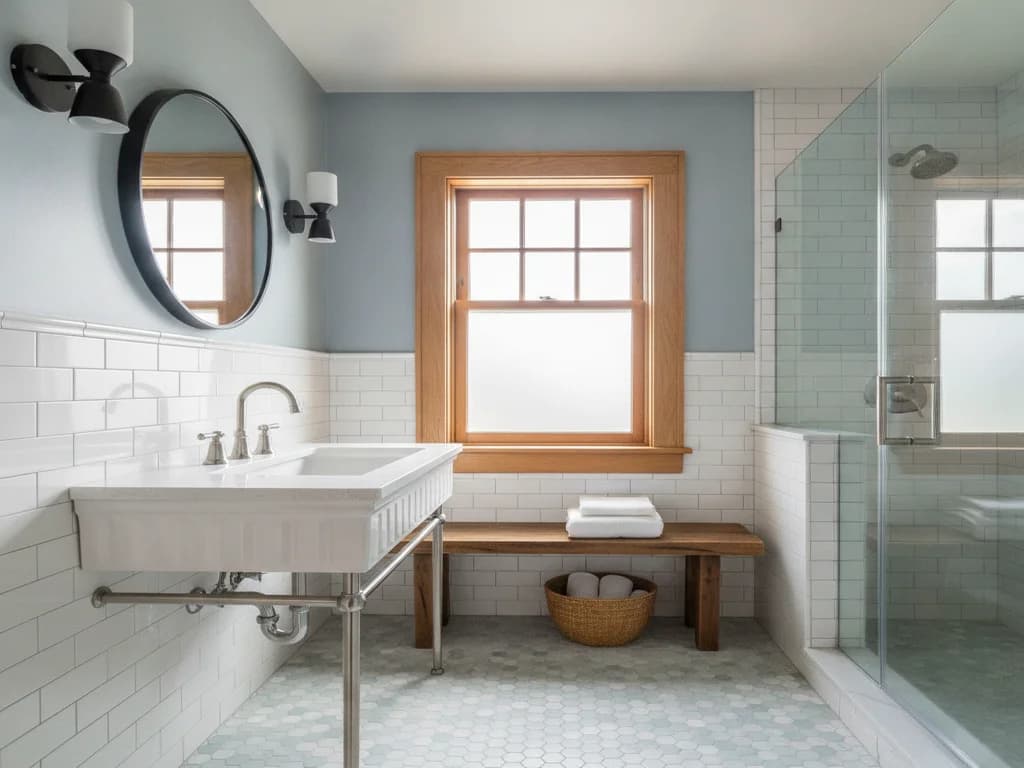
Not every original tile job is worth tearing out. This Old House's mid-century tile coverage points to specific patterns with proven staying power — a basket-weave floor, for instance, "it's timeless, it's been around for a long time, and I think it's got a lot of staying power," per one tile expert quoted there — and the same holds for hexagon and octagon floors, which Bob Vila highlights as a classic that "delights the eye" decades after installation. Pre-1970s tile work was also often set with a thicker, more durable mortar bed than later budget installations, which is one reason so much of it has survived intact this long.
The philosophy that works best here, per This Old House's vintage-bath coverage, is to renovate rather than gut: "rather than rip everything out," the goal is to "stay true to the house and make it better." If the original tile is cracked, missing pieces, or hiding water damage behind it, that's a different situation — swapping out an original mosaic floor has its own walkthrough — but sound vintage tile in a classic pattern is one of the cheapest ways to keep a bathroom's character intact while everything behind it gets modernized.
| Element | Keep if… | Replace if… |
|---|---|---|
| Cast iron tub | Structurally sound, just cosmetically worn | Cracked, chipped to bare iron, or leaking |
| Original tile | Intact, classic pattern (hex, basket-weave, subway) | Cracked, missing pieces, or hiding water damage |
| Supply plumbing | Already copper or PEX | Galvanized steel — prone to rust and scale |
| Shower waterproofing | A verified modern membrane behind the tile | Original mortar-only or no membrane system |
What to replace: galvanized plumbing
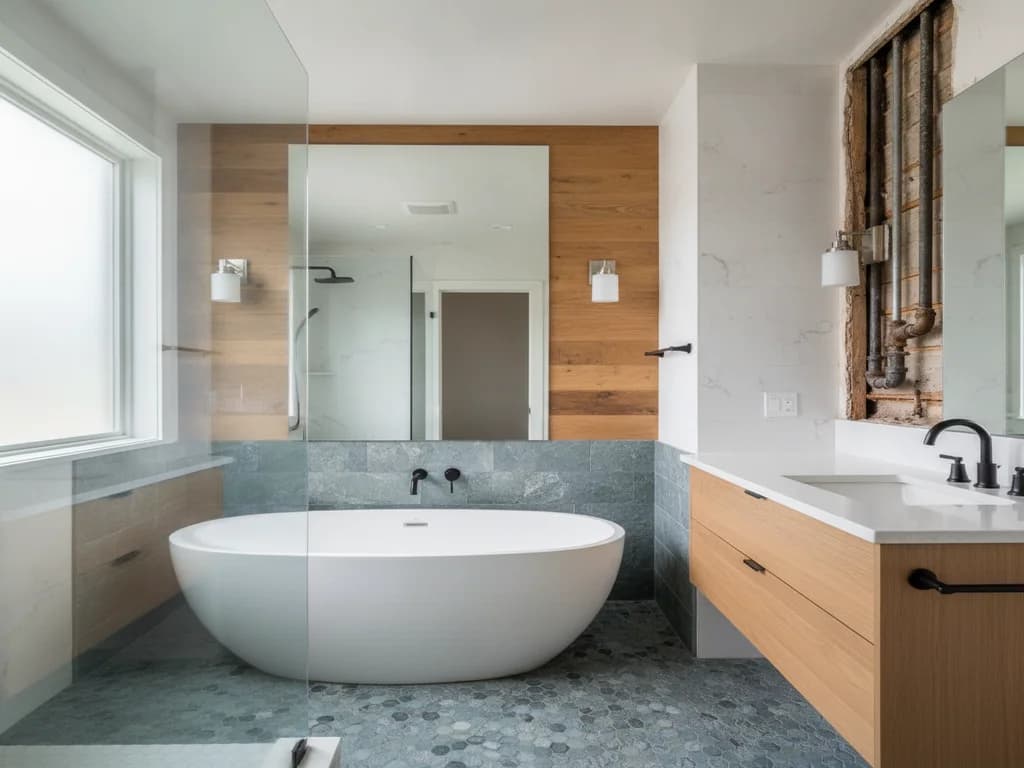
Galvanized steel supply pipe was standard in mid-century construction, and it is one of the least visible, most consequential things worth swapping out. This Old House's own plumbing-materials guide is candid about the tradeoff: galvanized steel pipe can theoretically last decades, but it's "more prone to rust and corrosion than modern alternatives," and the practical fix during any remodel is to retrofit it with copper or PEX rather than plan around its eventual failure. PEX in particular is often the easier retrofit, since the flexible tubing can be fished through existing wall cavities without demolishing drywall you don't otherwise need to touch.
A remodel that already has the walls open is the cheapest and least disruptive time this work will ever be. Waiting means eventually replacing the same pipe after it fails — behind tile that's already been set, in a wall that's already been closed up.
What to replace: original waterproofing
The other system worth assuming is inadequate is whatever waterproofing sits behind the original shower tile — or whether there was ever a true waterproofing membrane at all. Many mid-century showers were built on a mortar bed with no membrane behind the tile, relying on the grout and tile themselves to keep water out. That approach can hold for decades before it fails quietly, showing up as soft subfloor, stained ceiling drywall below, or a musty smell long after the leak actually started.
The fix is not exotic — a modern waterproofing membrane installed correctly the first time — but it has to happen whenever original shower tile comes down, not just when there is visible damage. Our bathroom waterproofing mistakes guide covers what that system should look like once the old tile is out.
Blending the era's look with modern internals
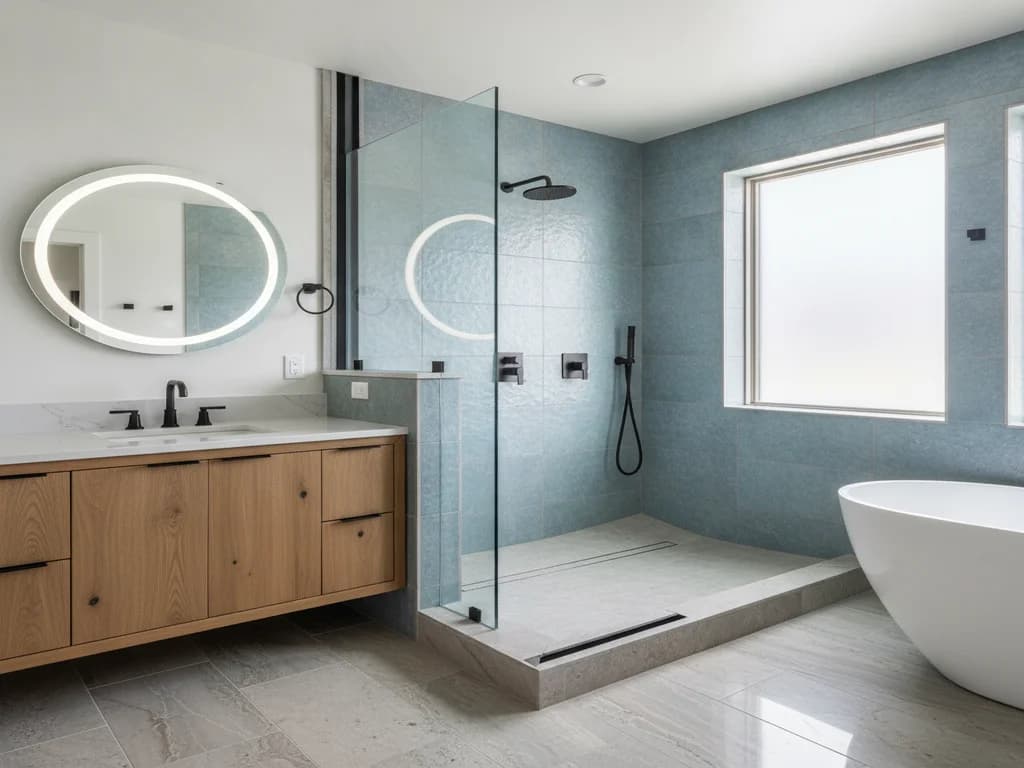
The best mid-century remodels do not choose between vintage character and modern performance — they pair the two deliberately. This Old House's vintage-bath guidance recommends keeping "cast-iron claw-foot tubs, hexagonal floor tiles, and chrome cross-handle faucets" as the visible, character-defining elements, while updating what sits behind and inside them: modern pressure-balancing or thermostatic valves behind a vintage-look faucet, GFCI-protected circuits behind period-style lighting, and a proper membrane behind classic tile.
The house still reads as its era. It just stops hiding the risks that era's construction methods left behind the walls.
The bottom line
Modernizing a mid-century bathroom well comes down to one habit: judge each element on its own condition, not its age. A sound cast iron tub and intact vintage tile are worth protecting through the remodel, not demolishing out of habit. Galvanized supply lines and unverified old waterproofing are worth replacing the moment the walls are open, whether or not they've failed yet.
If you're weighing a specific tub's condition, our bathtub refinishing vs. replacement comparison walks through that decision in more depth. When you're ready to plan the full picture — what stays, what's upgraded, and what the hidden systems actually need — a full bathroom remodel is where all of it comes together in one scope.
Ready to plan your Boise bathroom?
Licensed & insured · 3-year workmanship warranty
Frequently asked questions
- What should I keep when modernizing a mid-century bathroom?
- A structurally sound cast iron tub and intact original tile in a classic pattern (hexagon, basket-weave, subway) are usually worth keeping — cast iron holds up for decades and pre-1970s tile was often set with a durable mortar bed. Judge each by its actual condition, not just its age.
- Is it safe to leave old galvanized plumbing in place during a remodel?
- It's not recommended. This Old House notes galvanized steel pipe is more prone to rust and corrosion than modern alternatives, and a remodel — when the walls are already open — is the cheapest time to retrofit it with copper or PEX rather than waiting for it to fail behind new tile.
- Can original mid-century tile be saved during a remodel?
- Often, yes, if it's intact and not hiding water damage. Classic mid-century patterns like hexagon floors and basket-weave have real staying power, and preserving sound original tile is one of the most cost-effective ways to keep a bathroom's character while everything behind it — plumbing, waterproofing — gets modernized.
Sources
- This Old House — Stunning Mid-Century Modern Bathroom Tile Ideas
- This Old House — How to Create a Modern Bath in a Vintage Style
- Bob Vila — 12 Vintage Bathroom Features That Never Go Out of Style
- This Old House — 5 Types of Plumbing Pipes
- This Old House — How Much Does Bathtub Refinishing Cost?
- EPA — Lead Renovation, Repair and Painting (RRP) Program
- EPA — A Brief Guide to Mold, Moisture and Your Home
Claims and figures are drawn from the sources above and provided for general guidance; your project may vary. Photography is illustrative of design concepts. For a fixed price on your specific bathroom, request a free estimate.