Updated September 10, 2026 · 9 min read
By Boise Bath — bathroom & shower remodeling in Boise & the Treasure Valley
The short answer
Remodeling a bathroom in an older Boise home — like a North End Craftsman or a Bench mid-century ranch — works best when you preserve period character (subway tile, hex floors, vintage-style fixtures) while updating hidden systems. Plan for cast iron plumbing, knob-and-tube wiring, plaster walls, and old waterproofing, and budget a contingency for surprises.
Key takeaways
- Boise’s North End/East End and Bench homes have distinct eras that should guide period-sympathetic design.
- Vintage looks pair well with modern valves, ventilation, and waterproofing.
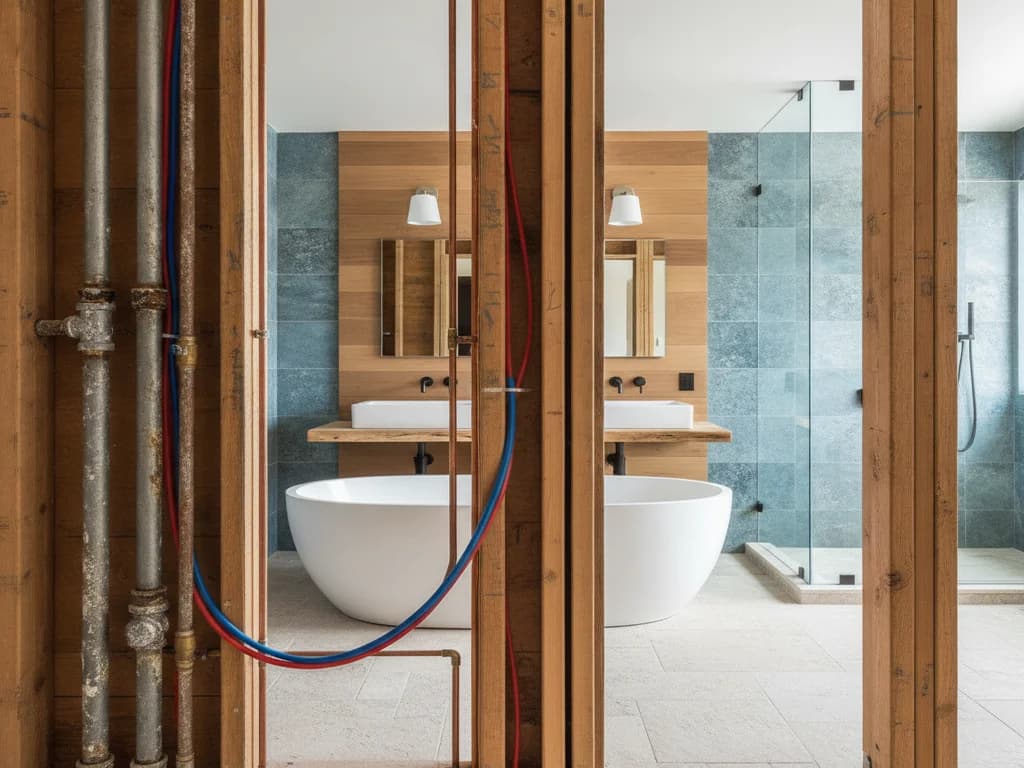
- Older homes hide cast iron/galvanized plumbing, knob-and-tube wiring, and plaster-and-lath — plan for it.
- Test (don’t disturb) suspected asbestos-era materials and replace old or missing waterproofing.
- Budget a contingency; old-house remodels reveal conditions once walls open.
What makes remodeling an older Boise bathroom different?
Older Boise homes have something newer builds rarely match: character. The catch is that character comes bundled with whatever the previous decades left behind the walls. Remodeling one well is a two-part job — honoring the home’s era in the design, and dealing honestly with the cast iron, galvanized pipe, plaster, and dated wiring you cannot see until demolition begins.
This article does both. It offers design ideas tuned to Boise’s actual housing stock, then walks through the hidden conditions an older bathroom tends to hide so there are fewer surprises. For generic small-bathroom layout strategy and full waterproofing how-to, we link out to the guides that own those topics; here the focus is what is distinctive about an older Boise home.
Plan for the unknown
The single most useful habit with an older-home bath is budgeting a contingency. Walls hide their condition until they open — and the goal is for a surprise to be a scheduling note, not a financial crisis.
What eras define Boise’s older housing?
Boise’s character neighborhoods cluster into a few recognizable eras. The North End and East End are rich in early-twentieth-century Craftsman bungalows and cottages — subway tile, hex floors, built-ins, and small, single-bath layouts. The Bench, developed largely mid-century, is full of post-war ranch homes with their own retro vocabulary. Knowing which era your home belongs to is the first design decision, because a period-sympathetic Craftsman bath and a mid-century ranch bath pull from very different palettes. Our remodeling in Boise’s North End and older homes on the Boise Bench pages go deeper on each.
How do you keep period character while modernizing?
1. Preserve and update, rather than erase. The most satisfying older-home baths keep the elements that give the room its soul — original trim profiles, a period tile pattern, a characterful tub — while quietly modernizing everything that affects function: valves, ventilation, waterproofing, and electrical. The house still reads as its era; it just works like a new bathroom.
Idea: keep or add classic subway and hex tile?
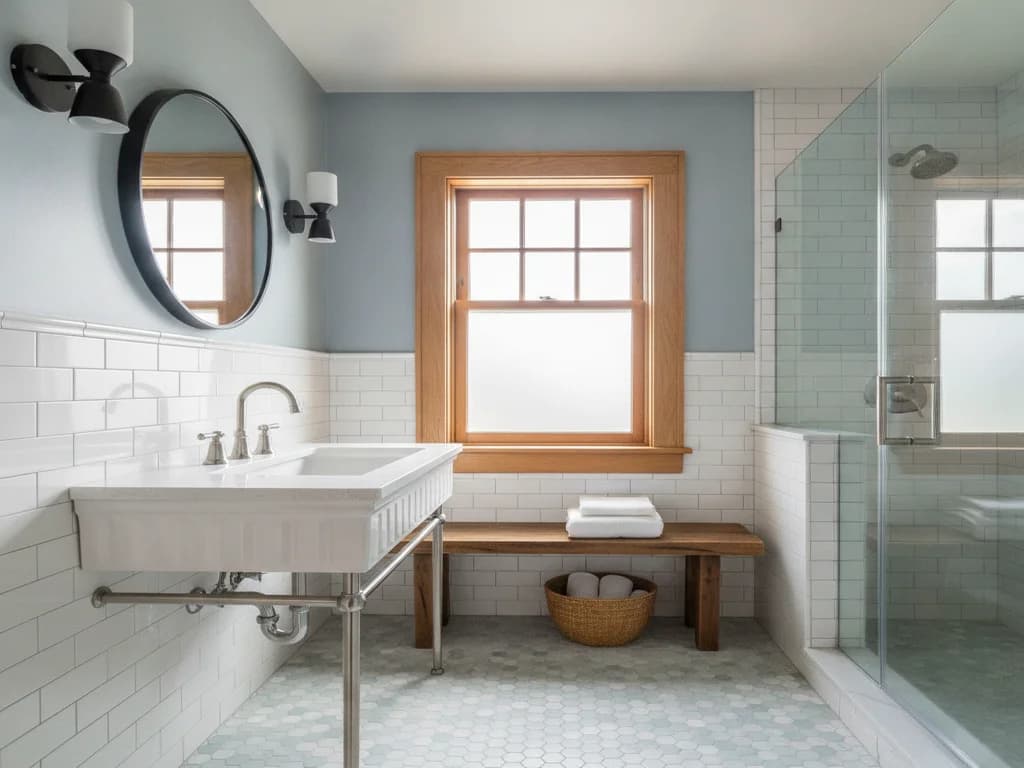
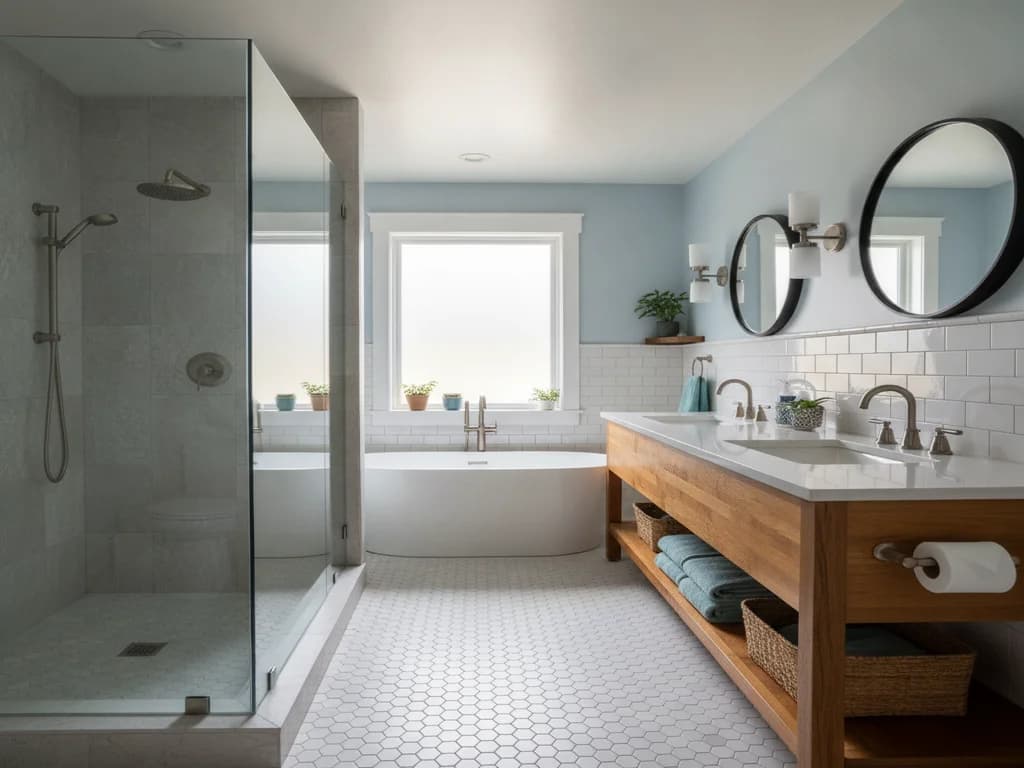
2. Subway tile and small hexagon floors are period-correct for Craftsman-era baths and have never really gone out of style, which makes them a safe, timeless choice. Whether you are preserving original tile or installing new, the execution matters as much as the pattern — see our bathroom tile mistakes so a classic look does not fail on layout, grout, or slip rating.
Idea: clawfoot or modern alcove tub for a vintage bath?
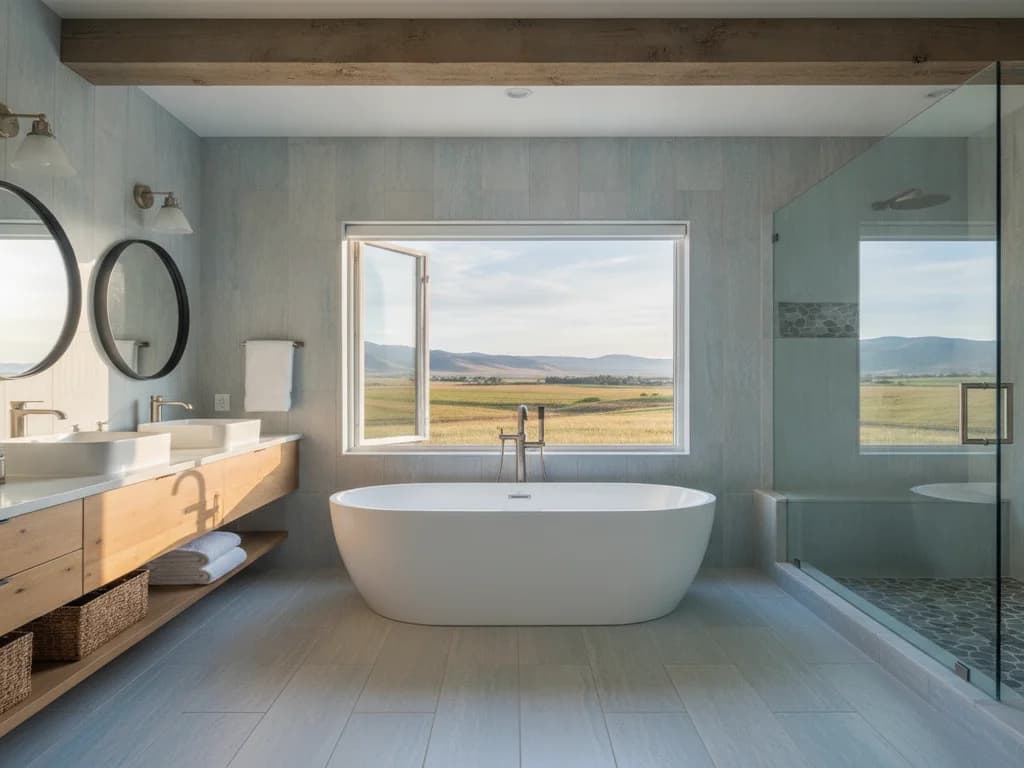
3. A clawfoot or freestanding tub is the romantic, period-true centerpiece for an older bath with room to spare. 4. A clean alcove tub or tub-shower is the practical choice where space and budget are tighter. Either can suit a vintage home; the clawfoot leans into character, the alcove leans into everyday function.
Idea: console or pedestal sinks vs added storage?
5. Console and pedestal sinks are gorgeous and period-appropriate, but they offer little storage — a real consideration in a home’s only bathroom. 6. A furniture-style vanity with vintage-look hardware can deliver the same character while solving storage. Weigh how the bathroom is actually used: a powder room can afford a pedestal; a busy family bath usually needs the cabinet.
Idea: vintage-style fixtures with modern valves?
7. Pair vintage-look fixtures with modern internals. Cross-handle faucets, exposed shower sets, and period finishes give the look; modern pressure-balancing or thermostatic valves behind them give the safety and performance. This best-of-both approach lets an older bath feel authentic without sacrificing scald protection or water control.
What plumbing problems do older Boise homes hide?
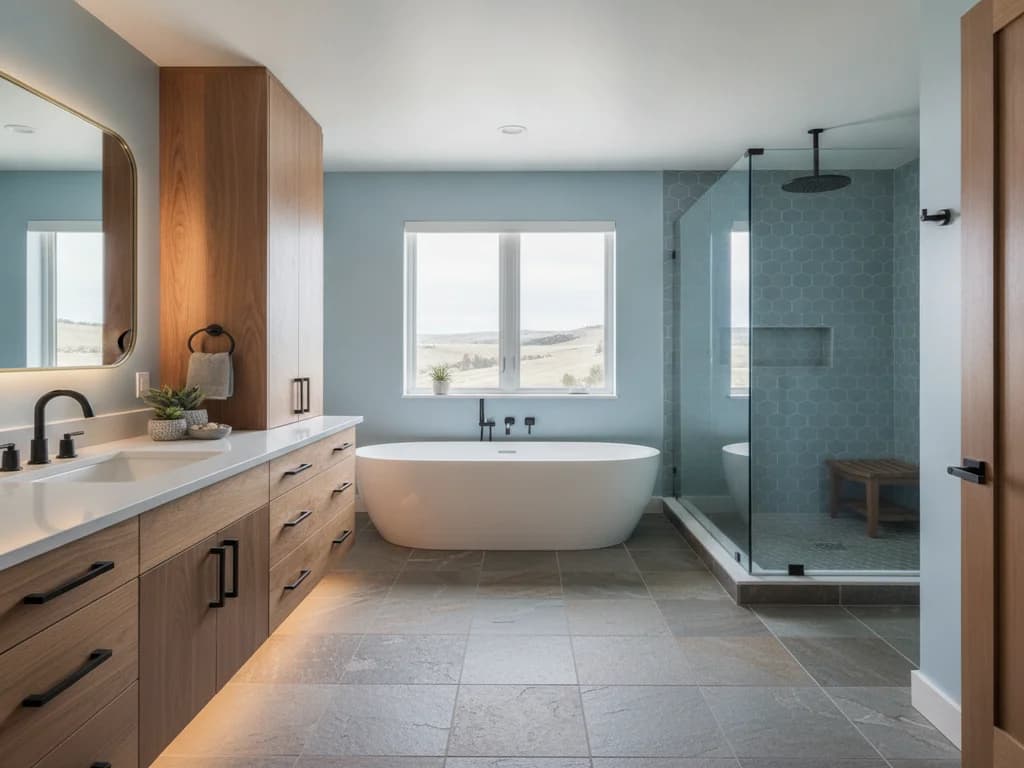
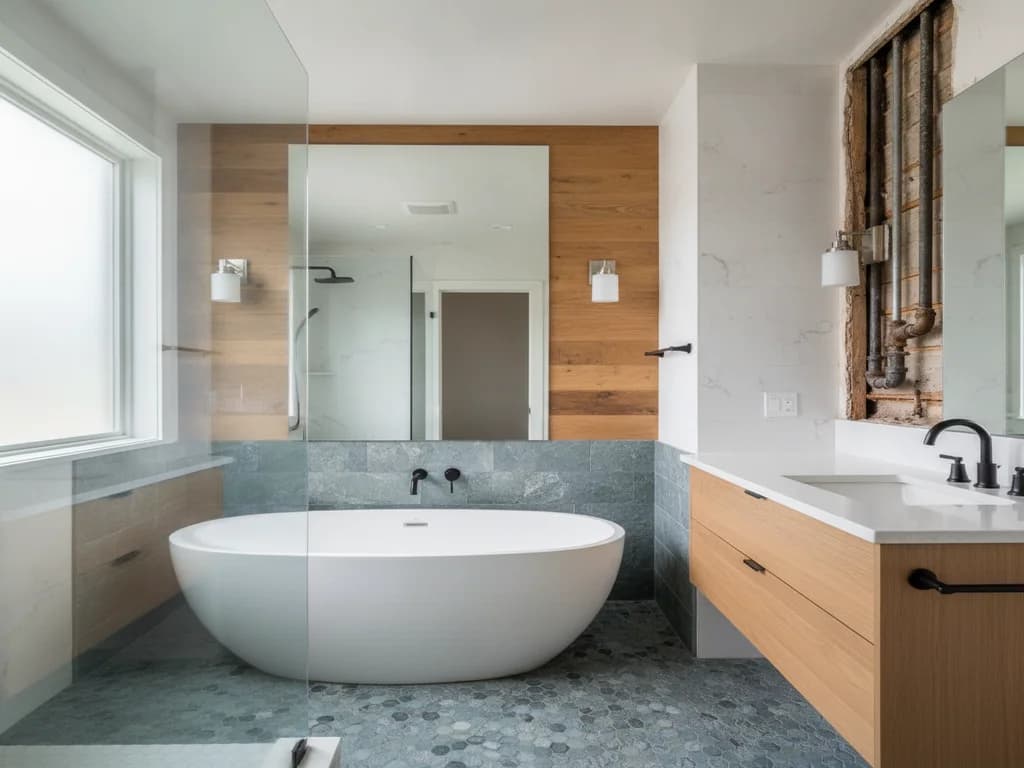
8. Cast iron drains and galvanized supply lines are the classic hidden conditions. Cast iron drain lines corrode and clog from the inside over decades; galvanized supply pipe scales up, restricting flow and discoloring water. When walls are already open for a remodel, it is often the right moment to replace aging runs rather than tile over them and hope. A remodel is the cheapest time this work will ever be.
Is knob-and-tube or ungrounded wiring a concern?
9. Older wiring needs attention. Some early Boise homes still have knob-and-tube or ungrounded circuits, and bathrooms today require GFCI protection and properly grounded circuits for safety. If demolition reveals dated wiring, plan to bring the bathroom’s electrical up to current code. The ICC’s residential code sets the requirements that govern these updates during a remodel.
How do plaster-and-lath walls affect a remodel?
10. Plaster-and-lath behaves differently from modern drywall: it is heavier, more brittle, and messier to demo, and it is not a tile substrate for a wet area. Expect more careful demolition, possible repair of adjacent plaster, and proper backer board plus waterproofing where tile and water meet. None of this is a dealbreaker — it just needs to be scoped honestly.
Should you worry about asbestos-era materials?
11. Test, do not disturb. Homes from the relevant decades may contain asbestos in old floor tile, mastic, joint compound, or insulation. The safe approach, per EPA guidance, is to have suspect materials tested before demolition and to use qualified abatement professionals if asbestos is present — never to rip into unknown materials and create dust. This is a safety step, not a scare tactic. Lead is the other half of it, and it has a hard date: homes built before 1978 predate the residential ban on lead paint, and the EPA’s Renovation, Repair and Painting Rule requires anyone paid to disturb painted surfaces in one to be working for an EPA lead-safe certified firm. In a city where the North End’s historic district has a period of significance ending in 1915, that covers a great many Boise bathrooms — so ask any contractor bidding your older home how lead-safe work will be handled. On our own projects, work that disturbs painted surfaces in a pre-1978 home is carried out by EPA lead-safe certified renovators.
Why is old or missing waterproofing a hidden risk?
12. Older showers were often built without modern waterproofing. Tile set over mortar or worse, with no membrane, can hide years of slow moisture damage in the wall and subfloor. When you open an older shower, assume the waterproofing needs to be brought up to current standards. The full system is covered in how older showers should be waterproofed — it is the most important thing you cannot see.
How do you fix a small, awkward old-home layout?
13. Work the layout, not just the finishes. Older baths are frequently small and oddly shaped. Better storage, a smarter fixture arrangement, and removing an unused tub can transform how a tight room functions. The generic small-bath playbook lives in small-bathroom layout ideas that work; apply it with respect for the home’s original character.
Can you add a walk-in shower to a tight vintage bath?
14. Often, yes. Converting an unused or cramped tub to a custom walk-in shower for a tight vintage bath can reclaim space and add daily comfort, even in a small footprint, using a frameless panel, large-format tile, and a curbless or low-threshold entry. Done with a period-appropriate tile choice, it modernizes function without fighting the home’s style.
How do you add ventilation to a home that never had a fan?
15. Many older Boise baths never had an exhaust fan, relying on a window that no one opens in winter. Adding a correctly sized, quiet fan ducted to the outdoors is one of the highest-value upgrades for an old bathroom — it protects new finishes, plaster, and the home itself from moisture. The sizing and ducting details are in our bathroom ventilation tips.
Do older-home remodels need permits in Boise?
16. Usually, yes. Plumbing, electrical, and structural work in a bathroom remodel generally requires permits through the City of Boise or Ada County, and some older neighborhoods carry historic-district sensitivities worth checking. Permitted, inspected work protects you at resale and ensures the hidden upgrades were done correctly. Confirm current requirements with the local building department or a licensed contractor.
Why does an older-home remodel need a contingency budget?
17. Because the walls have the final say. You can scope an older bathroom carefully and still find a corroded drain, a rotted subfloor, or surprise wiring once demolition starts. A contingency turns those discoveries into manageable line items instead of stalled projects. For how this fits into overall budgeting, see how much a Boise bathroom remodel costs.
Which updates respect the home’s character and value?
18. Honor the era, upgrade the systems. The remodels that age best in Boise’s character districts keep period-correct tile, fixtures, and palettes while quietly modernizing plumbing, wiring, waterproofing, and ventilation. 19. Choose reversible, sympathetic finishes over trend-chasing ones, so the bathroom still belongs to the house in twenty years. When you are ready to talk through your home’s specifics, see finished Boise bathrooms for a sense of how period and modern can coexist.
Ready to plan your Boise bathroom?
Licensed & insured · 3-year workmanship warranty
Frequently asked questions
- What problems do older Boise homes hide in the bathroom?
- Commonly cast iron drain lines and galvanized supply pipe that corrode or scale, knob-and-tube or ungrounded wiring, plaster-and-lath walls, missing or outdated shower waterproofing, settled or sloped floors, and possibly asbestos-era materials. Most are only visible once demolition begins, which is why a contingency budget matters.
- Should I replace cast iron or galvanized plumbing during a remodel?
- It is often the smart move. A remodel that already has the walls open is the least expensive time to replace corroded cast iron drains or scaled galvanized supply lines. Replacing aging runs then avoids tearing into new tile later when an old pipe finally fails.
- How do I keep my home’s vintage character while modernizing the bathroom?
- Preserve the elements that give the room its era — period tile like subway and hex, characterful fixtures, original trim — while modernizing what affects function: modern valves behind vintage-look fixtures, proper waterproofing, ventilation, and updated electrical. The house keeps its soul and gains a bathroom that performs.
- Do older Boise homes have knob-and-tube wiring to worry about?
- Some early Boise homes still have knob-and-tube or ungrounded circuits. Bathrooms today require GFCI protection and grounded circuits, so if demolition reveals dated wiring, plan to bring the bathroom’s electrical up to current code as part of the remodel.
- Could there be asbestos in my older bathroom’s materials?
- Possibly, in old floor tile, mastic, joint compound, or insulation. Per EPA guidance, the safe approach is to have suspect materials tested before demolition and to use qualified abatement professionals if asbestos is found — never disturb unknown materials and create dust.
- Do bathroom remodels in older Boise homes need permits?
- Plumbing, electrical, and structural work generally requires permits through the City of Boise or Ada County, and some neighborhoods have historic-district sensitivities. Permitted, inspected work protects you at resale and verifies the hidden upgrades were done right. Confirm current requirements with the local building department.
Sources
- EPA — asbestos in the home & safe handling
- City of Boise — permitting & planning
- National Park Service — Preservation Briefs (historic interiors)
- International Code Council (IRC) — remodel electrical & plumbing requirements
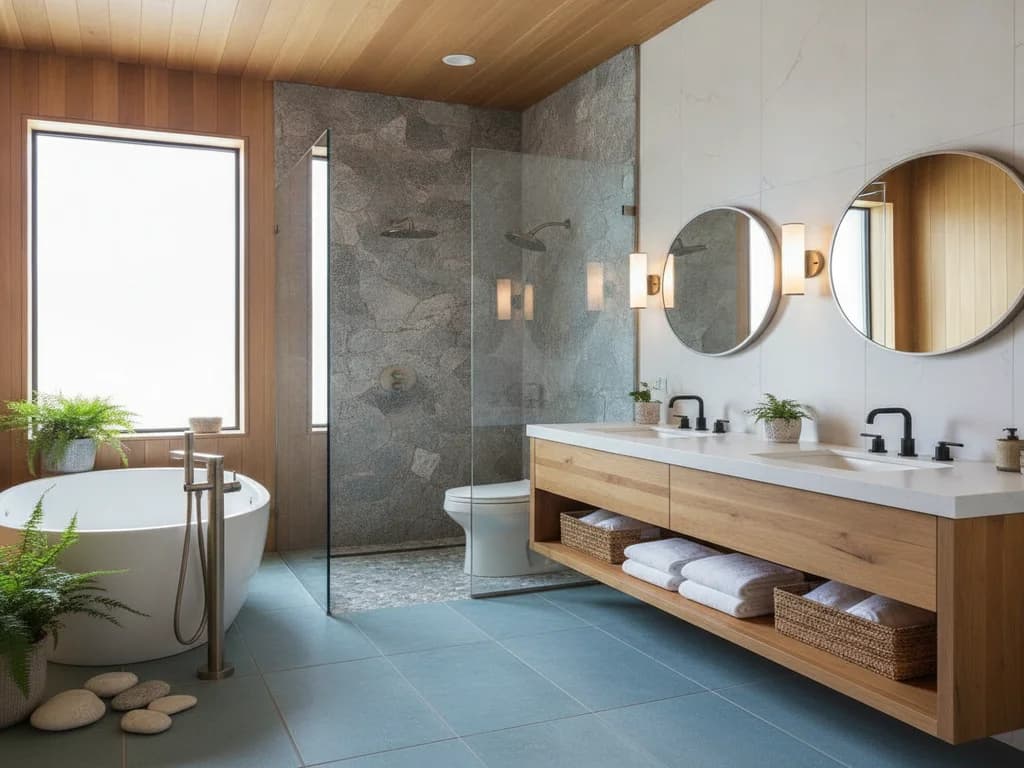
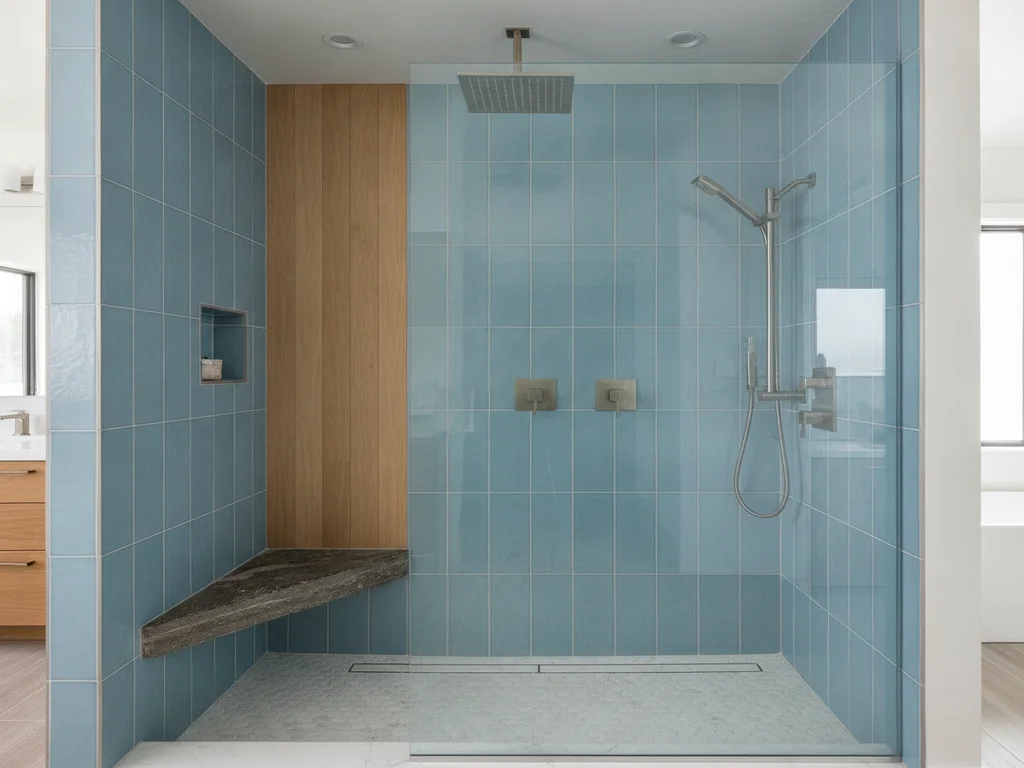
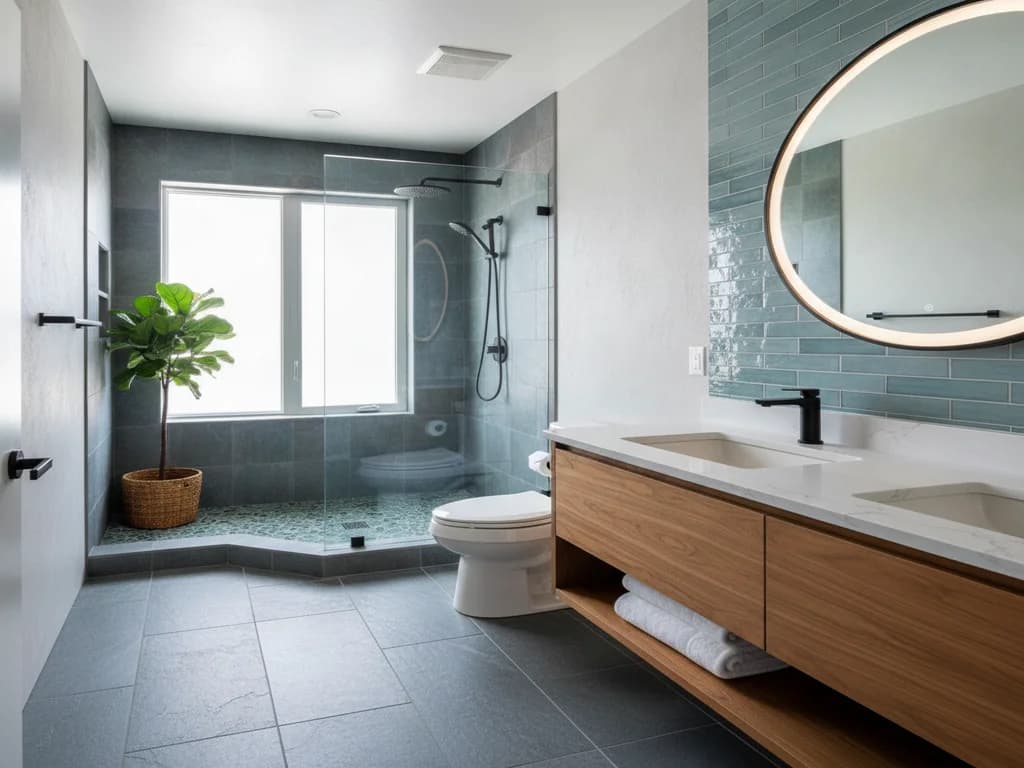
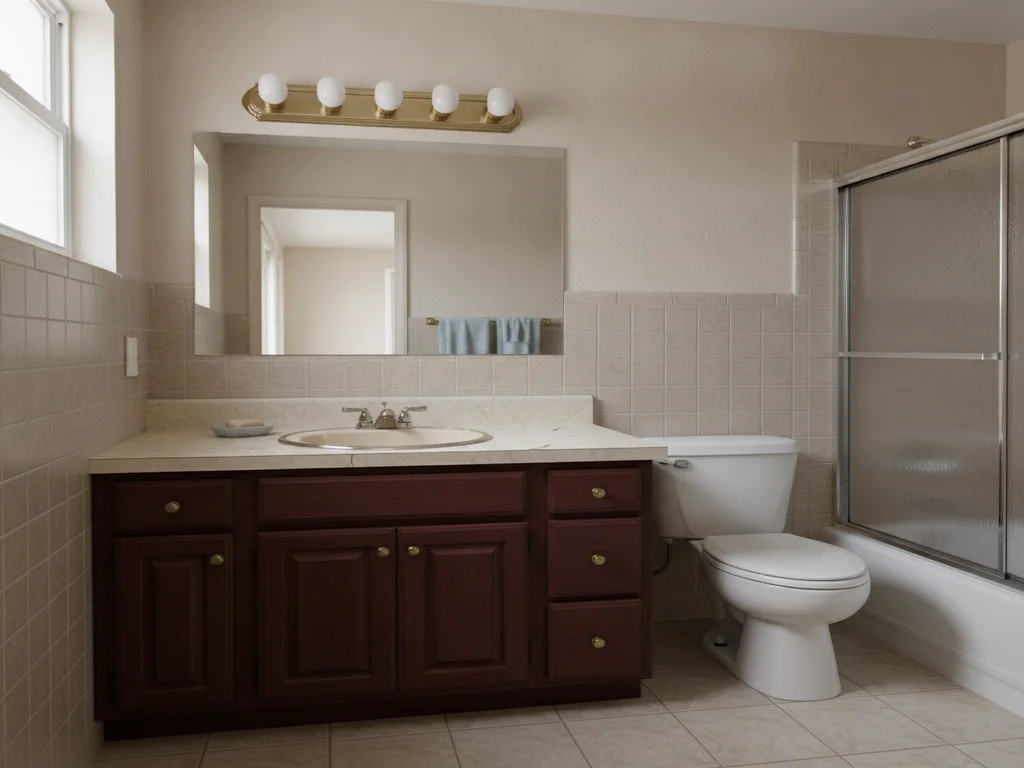
Claims and figures are drawn from the sources above and provided for general guidance; your project may vary. Photography is illustrative of design concepts. For a fixed price on your specific bathroom, request a free estimate.