Updated July 16, 2026 · 7 min read
By Boise Bath — bathroom & shower remodeling in Boise & the Treasure Valley
The short answer
It depends on your buyer pool and timeline. The "keep at least one tub" rule is real-estate conventional wisdom: families with young children strongly prefer a tub, and a tub-free house narrows that pool. But it is a preference pattern, not a law — for long-stay owners, the shower you use daily usually outweighs a hypothetical future objection.
Key takeaways
- The "always keep one bathtub" rule is conventional wisdom repeated by agents and appraisers — a real pattern in buyer behavior, not a code requirement or an automatic value penalty.
- The buyers who genuinely need a tub are concentrated: households bathing young children, plus some buyers who soak and some planning for pets or resale themselves.
- The rule bites hardest in family neighborhoods and one-bathroom homes; it matters least where the buyer pool skews to downsizers and empty-nesters, who often prefer a walk-in shower, per AARP livability research.
- Your timeline is the biggest variable: ten-plus years of daily showers you love usually outweighs a hypothetical objection from a future buyer.
- A tub can be reinstated — the plumbing stays in the wet zone — so removing one is rarely a one-way door, though reversing it costs a real remodel.
- If the house has two bathrooms, convert freely: keeping one tub anywhere in the house satisfies the conventional wisdom entirely.
What the "keep one tub" rule actually is
Ask any real-estate agent about removing your only bathtub and you will hear the same sentence: "Always keep at least one tub in the house." It is the most durable piece of conventional wisdom in residential remodeling — repeated by agents, echoed by appraisers, and treated in many circles as settled law.
Here is the honest framing: it is a pattern, not a rule. No code requires a bathtub; a shower-only house is fully legal, financeable, and insurable. What the conventional wisdom encodes is a real observation about buyer behavior — a meaningful slice of the market, led by families with young children, treats "no tub" as a dealbreaker or a discount, and agents would rather you not shrink your own buyer pool. NAR’s remodeling research consistently shows bathroom projects among the most valued by buyers and owners alike, but "which fixture" is a preference question the data does not settle universally.
So the question is not "am I allowed to remove the only tub" — you are — but "who buys houses like mine, and how many of them will care?" That answer is local, and it is the spine of this decision.
Who actually needs a bathtub
The tub constituency is more specific than the conventional wisdom implies. The core group is households bathing small children — for roughly the first five or six years, a tub is dramatically easier than a shower, and parents shopping for houses know it. In a neighborhood of starter homes and young families, that is a large share of your future buyers.
Beyond that core, the tub preference thins out fast. Some buyers soak regularly and will genuinely miss a tub. Some want one for washing dogs. And some simply inherit the conventional wisdom — they never bathe, but they hesitate at a tub-free listing because they have absorbed the idea that it hurts resale. That last group is real, and slightly circular: the rule partly sustains itself.
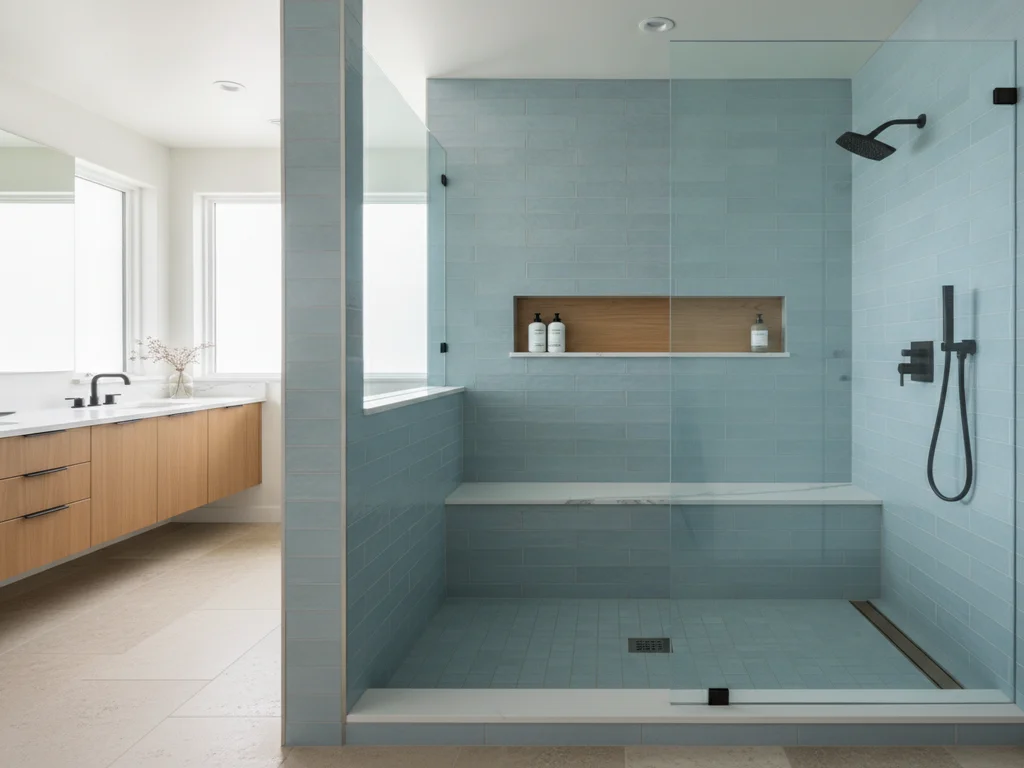
On the other side of the ledger sits a growing constituency that prefers no tub at all: older buyers and anyone planning to age in place, for whom stepping over a tub wall is the single biggest fall hazard in the house. AARP’s livability research consistently finds walk-in showers among the most-wanted home features for older adults. In a market of downsizers, the walk-in shower is the selling point.
The variables that decide your answer
Four variables do almost all the work in this decision. Run your situation through each before deciding.
| Variable | Pushes toward keeping a tub | Pushes toward converting |
|---|---|---|
| Bathroom count | This is the only bathroom — the tub decision and the house decision are the same | A second bath keeps a tub elsewhere, satisfying the rule entirely |
| Buyer pool | Family neighborhood: starter homes, good schools, young households | Downsizer or empty-nester market where step-in showers are the draw |
| Your timeline | Selling within a few years — the next buyer’s preference weighs almost as much as yours | Staying 10+ years — decades of daily use dwarf a hypothetical objection |
| Daily reality | Someone in the house takes baths, or small children are in the plan | The tub has been a shower floor for years and a walk-in fits how you live |
Preference patterns, not guarantees — a local agent can tell you how tub-free listings have actually fared in your neighborhood.
The two-bathroom escape hatch
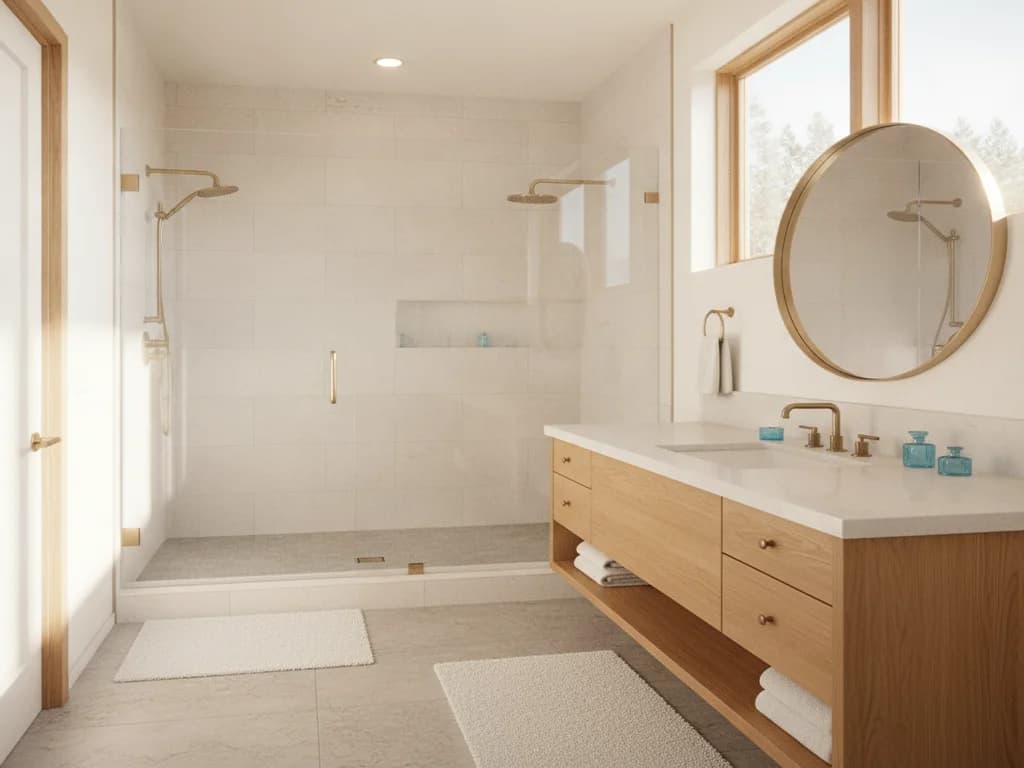
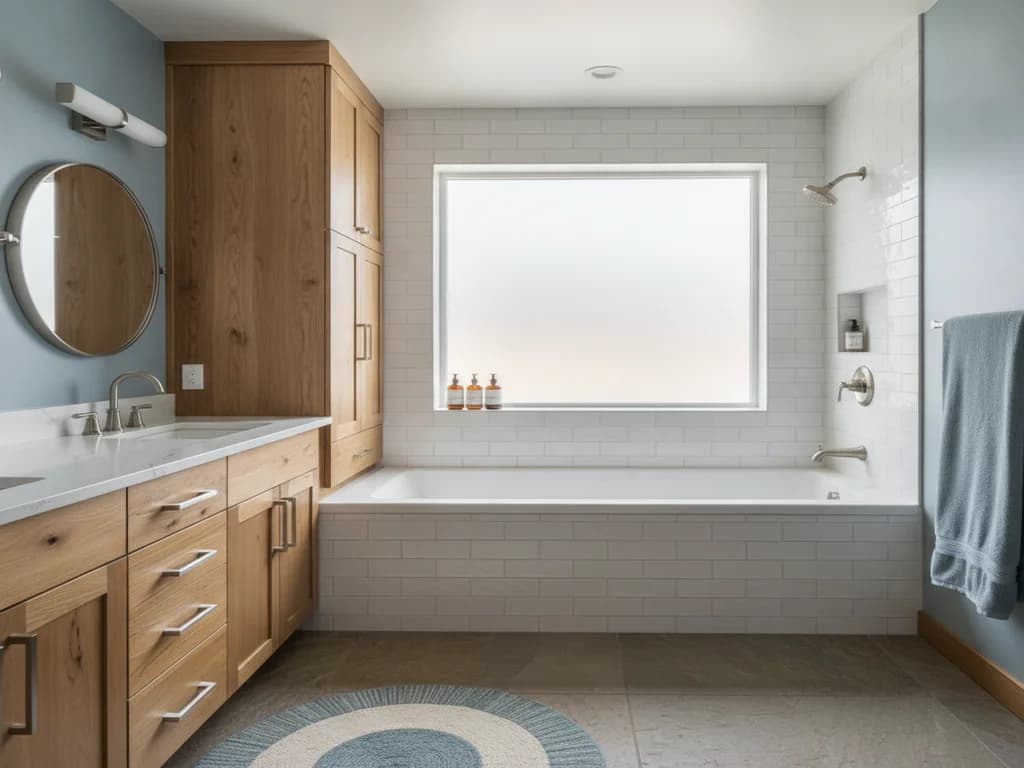
If your house has more than one bathroom, this whole dilemma mostly dissolves. The conventional wisdom asks for one tub in the house, not one in every bathroom — a hall bath that keeps its tub frees the primary bath to become the walk-in shower conversion you actually want. That combination — tub for kids and resale in the hall, big shower for daily life in the primary — is arguably the most buyer-proof layout in the market.
The genuinely hard version of this question belongs to one-bath homes, which is much of Boise’s older housing stock — the Bench and North End bungalows and mid-century ranches where the single hall bath does everything. There, removing the tub really does make the whole house tub-free, and the decision deserves the full weighing this article gives it.
Worth noting for one-bath owners: if a second bathroom is even a possibility, it changes this calculus completely — adding a second bathroom covers that bigger move, and it can be the play that unlocks both the shower you want and the tub the market wants.
What removing the tub is not: a one-way door
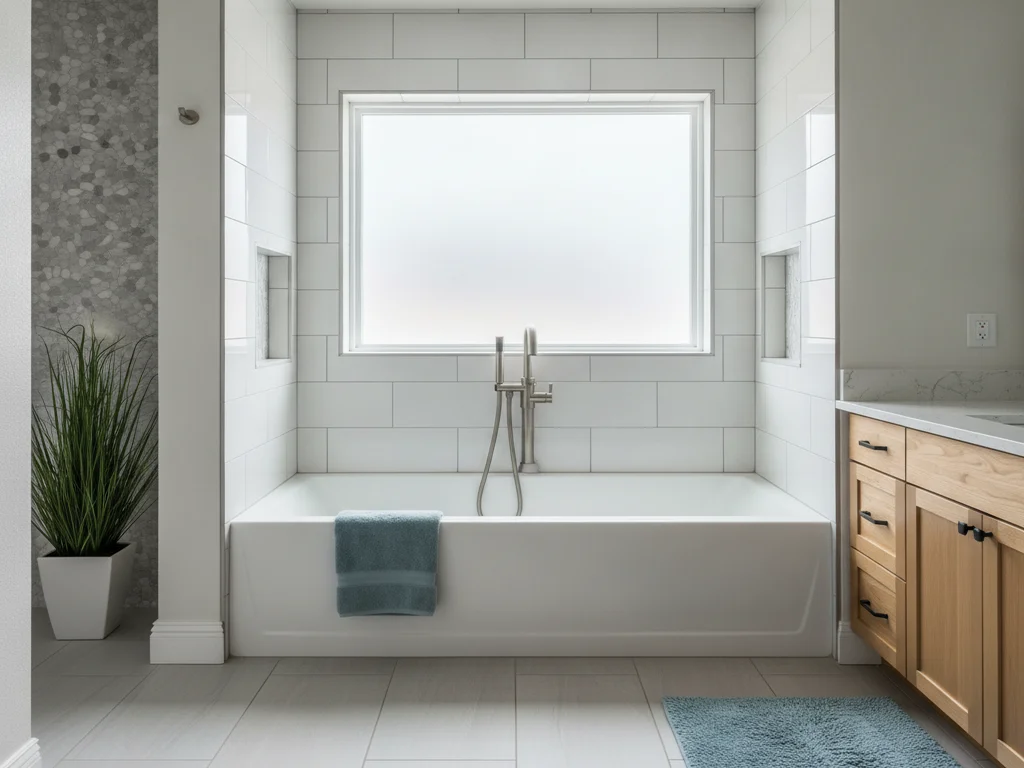
A detail that deflates much of the anxiety: converting a tub to a shower does not erase the tub option from the house — it stores it. The wet zone keeps its supply lines and drain, and a future owner (or a future you) can put a tub back. Replacing a shower with a bathtub covers that reverse path — the main constraints are having a tub-sized footprint (a standard alcove tub wants roughly a 60-inch run) and accepting that the drain gets reworked.
That reversibility is not free — reinstating a tub is a real remodel with real cost, not an afternoon swap. But it means the decision you are making is "which fixture serves this house for the next stretch of years," not "which fixture defines this house forever." Buyers who love everything else about a house can and do budget for the bathroom change they want.
One caveat on reversibility: if the conversion replaces a 60-inch alcove with a shower of the same footprint, the tub path stays easy. If it rebuilds the room around a smaller or relocated shower, putting a tub back gets harder. If preserving the option matters to you, say so at design time — it is a constraint a designer can honor cheaply.
Selling soon? Let the market answer, not the rule of thumb
If a sale is likely within a few years, ask a local agent one specific question: "How have tub-free homes like mine actually sold here?" In a family-dominated pocket, they will tell you to keep the tub — believe them. In a market of downsizers and second-time buyers, the walk-in shower may genuinely show better. The rule of thumb is national; your sale is local.
The case for the conversion anyway
Suppose the tallies are close: you are in a family-ish neighborhood, you might sell in five to eight years, and nobody in the house has used the tub as a tub since the first year you owned it. The honest tiebreaker is daily use. A bathtub used as an awkward shower floor serves no one — you get neither the soaking function buyers imagine nor the comfort and safety of a real shower, and you pay that tax every single morning.
The safety math matters too, and not just for retirees. The step over a tub wall is a genuine hazard in wet conditions at any age, and it gets worse with every decade you stay in the house. A low-threshold walk-in shower is the version of this bathroom that fits both the you of today and the you of fifteen years from now — which is exactly why the aging-in-place market prizes it.
For the fuller comparison of what each fixture gives up and gains — space, cleaning, resale, daily comfort — walk-in shower vs. tub-to-shower conversion goes deeper, and should I replace my bathtub covers the adjacent case where the tub stays a tub but stops being this tub.
How to decide, in order
First, count bathrooms. Two or more with a tub elsewhere: convert freely and skip the rest of this list. One: keep going.
Second, name your timeline honestly. Staying ten-plus years: your daily life wins, and the conversion is on the table regardless of neighborhood. Selling within a few: get a local agent’s read on tub-free sales in your pocket of the Treasure Valley before deciding, and weigh it alongside what buyers notice in bathrooms generally.
Third, if you convert, design for reversibility where it is cheap: keep the tub-length footprint if the layout allows, and the future-tub option rides along free. A free estimate can price both the straightforward conversion and the reversible version of it, and our cost calculator gives you a working range before anyone visits.
Ready to plan your Boise bathroom?
Licensed & insured · 3-year workmanship warranty
Frequently asked questions
- Does removing the only bathtub hurt resale value?
- It can narrow your buyer pool — families bathing young children strongly prefer a tub, and some buyers inherit the "keep one tub" rule even if they never bathe. Whether that translates into a lower price depends on your local market: in family neighborhoods it carries real weight, while in markets of downsizers a walk-in shower can show better. There is no universal penalty; there is a local one, sometimes.
- Do appraisers reduce value for having no bathtub?
- An appraisal reflects what comparable homes sell for, so a tub-free house is not automatically marked down by rule — but if tub-free homes in your area sell for less, the comps carry that in. The bathroom still counts as a bathroom either way; a three-quarter bath (shower, no tub) is standard, legal, and financeable. The effect, where it exists, comes from buyer behavior, not a checklist.
- Do families really refuse houses without a bathtub?
- Some genuinely do — bathing a toddler in a shower is hard enough that parents of young children treat a tub as near-essential, and they are a large share of buyers for starter and family homes. Others simply discount the house mentally. But this is one buyer segment, not the whole market; older buyers and many empty-nesters actively prefer a walk-in shower, per AARP livability research.
- Can I put a bathtub back after converting to a shower?
- Usually yes. The wet zone keeps its water supply and drain, so a future tub is a remodel, not a rebuild — the main requirements are a tub-sized footprint (a standard alcove tub wants about a 60-inch wall) and drain rework. If the conversion keeps the original tub footprint, reinstating one later stays straightforward. It costs real money, but the door stays open.
- Is a tub-to-shower conversion worth it if I plan to stay long-term?
- For long-stay owners it is one of the strongest cases in bathroom remodeling: you trade a fixture you use awkwardly or not at all for a safer, more comfortable one you use daily for a decade or more. The resale question fades with a long timeline, and the safety benefit of eliminating the tub-wall step grows every year you stay.
- Should I keep the tub if my house has only one bathroom?
- That is the one situation where the conventional wisdom deserves real respect — in a one-bath home, removing the tub makes the entire house tub-free, and in family-oriented neighborhoods that measurably narrows your future buyer pool. If you are staying long-term and never bathe, the conversion can still be right; if a sale is plausible within a few years, get a local agent’s read first.
Sources
- NAR — Remodeling Impact Report
- AARP — Livable Communities / HomeFit
- National Kitchen & Bath Association (NKBA)
- National Association of Home Builders (NAHB)
Claims and figures are drawn from the sources above and provided for general guidance; your project may vary. Photography is illustrative of design concepts. For a fixed price on your specific bathroom, request a free estimate.