Updated September 9, 2026 · 7 min read
By Boise Bath — bathroom & shower remodeling in Boise & the Treasure Valley
The short answer
A steam shower delivers a genuine daily spa ritual on a gallon or two of water per session — but it demands a fully vapor-sealed, ceiling-sloped enclosure, a dedicated 240V generator, and maintenance that Boise’s hard water makes non-optional. Worth it for frequent users in a long-term master; skip it for budgets, flips, or set-and-forget owners.
Key takeaways
- A steam shower is a sealed, vapor-tight enclosure fed by a dedicated steam generator — not a regular shower with a steam head added.
- The wellness payoff is real for people who use it: heat relaxation, easier breathing in dry winter air, and post-workout muscle relief.
- Steam sessions use only a gallon or two of water, making it a far more efficient ritual than a nightly soaking tub.
- The enclosure must be waterproofed and vapor-sealed on every surface — including a sloped ceiling — or the steam attacks your framing.
- Boise’s hard water scales steam generators; skipping the flush-and-descale routine is the #1 way these systems die early.
- Budget honestly: generator, controls, vapor-rated enclosure, and a 240V circuit put steam well above a standard shower build.
The honest verdict on steam showers
A steam shower is one of the few remodel features that changes how you live rather than just how the room looks. Fifteen minutes of 110-degree steam after a workout, a ski day, or a Treasure Valley winter of single-digit humidity is a genuinely different experience from a hot shower — and having it twenty steps from your bed is the whole luxury.
It is also the single most demanding thing you can build into a residential bathroom. Steam is water vapor under pressure looking for a way out, and it will find any surface that is not sealed against it. The enclosure has to be built to a higher standard than any regular shower, the generator is a mechanical appliance with a maintenance schedule, and the money is real.
So the honest framing is not "is steam nice" — it is. The question is whether you will use it enough, and maintain it enough, to justify what it costs to do right. The Boise steam shower cost guide has the full numbers; this article is about whether you should want one at all.
What a steam shower actually is
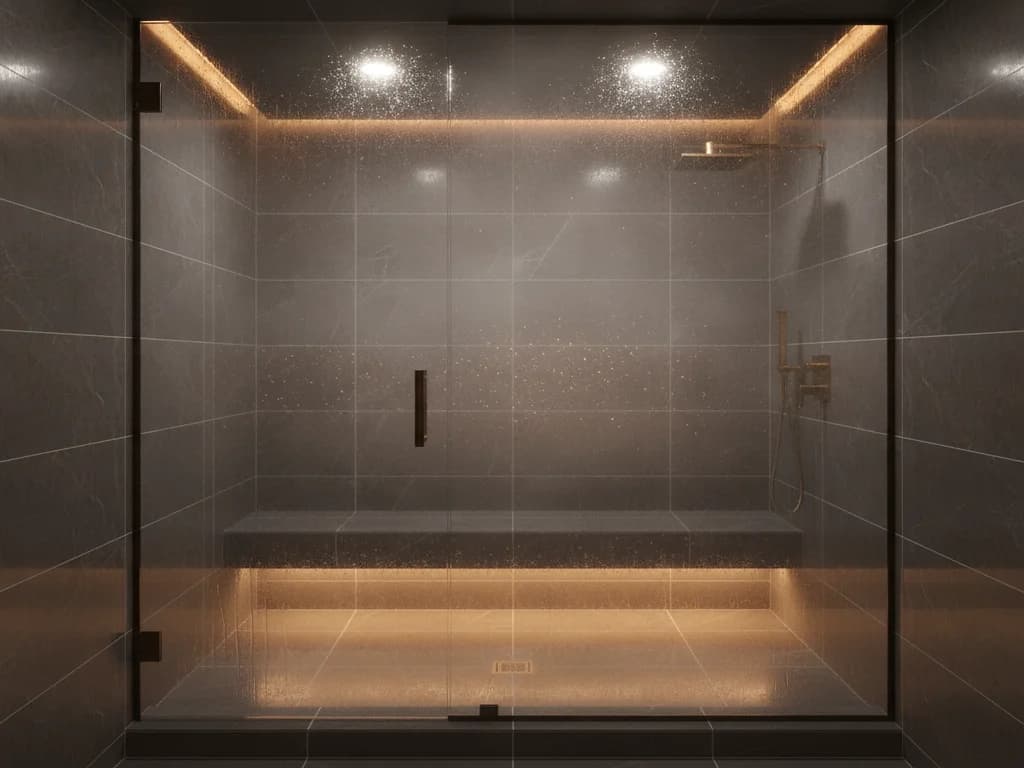
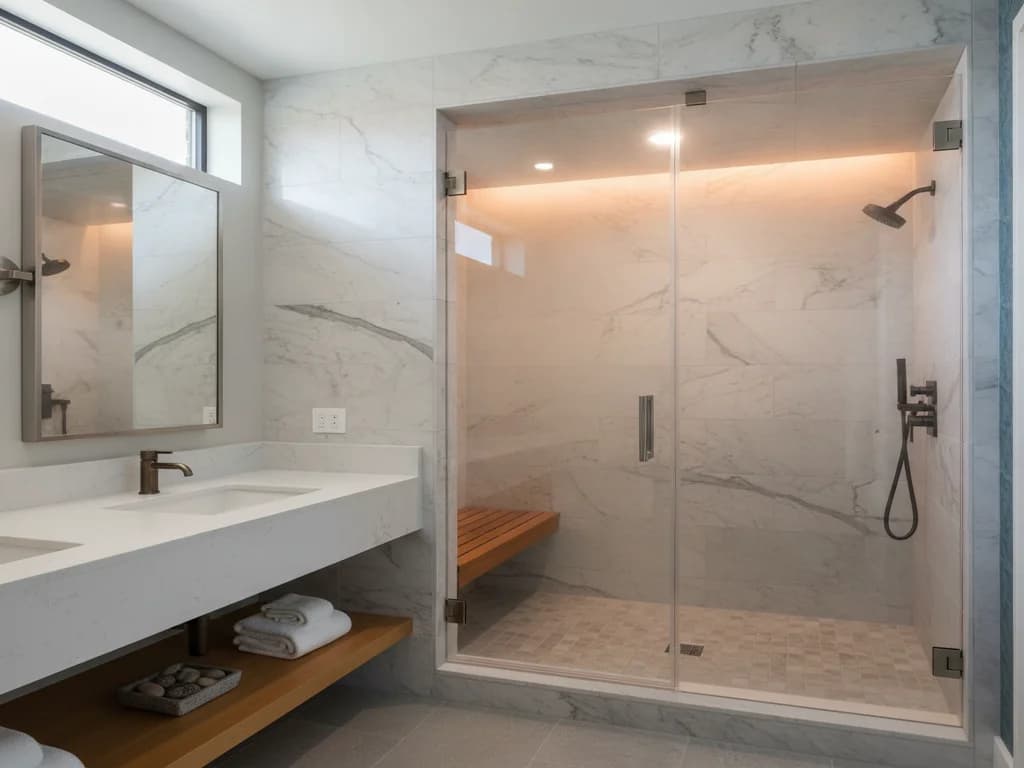
A true steam shower is a sealed system: a steam generator (usually in a vanity, closet, or attic within about 25 feet of the shower) boils water on a dedicated 240V circuit and pipes vapor to a steam head inside the enclosure. A control panel manages temperature and session length, and the enclosure itself runs tile floor-to-ceiling, closes with gasketed glass and a transom, and — critically — has a ceiling sloped so condensation runs down the walls instead of dripping cold on your shoulders.
Every surface must be built over a vapor-rated waterproofing membrane, because ordinary shower waterproofing handles liquid water running down — steam is vapor pushing into every joint, outlet, and pot-light housing under heat and pressure. Manufacturers like wedi and Schluter publish steam-specific assemblies for exactly this reason, and the difference between "shower-rated" and "steam-rated" construction is not marketing.
The generator is sized to the enclosure’s volume — and the surfaces matter: natural stone and large glass areas soak up heat and demand a bigger generator than porcelain does. Get the sizing wrong in either direction and you have weak steam or wasted money. For layout and material inspiration once the engineering is understood, see our steam shower ideas roundup.
The pros: what steam genuinely delivers
The case for steam, stated plainly:
- A daily wellness ritual at home. Heat relaxation, looser muscles after workouts, and easier breathing when winter air is bone-dry — modest, real benefits that daily users consistently report, without needing spa-brochure health claims to justify.
- Startlingly water-efficient. A 20-minute steam session converts only a gallon or two of water into vapor — compare that to a 60–80 gallon soaking-tub fill. As a nightly unwind ritual, steam is the efficient option.
- It fits inside the shower you were building anyway. Unlike a sauna or a tub, steam adds no floor-plan footprint — the upgrade lives in the generator, the sealing, and the glass.
- Genuine luxury positioning. In upper-tier homes a steam shower reads as a serious master-suite amenity, and it is a feature buyers remember from a showing.
- Winter value in this climate specifically. Boise’s dry, cold winters are exactly the conditions where a humid 110-degree enclosure feels most worth the money.
- It stacks with the shower you already want. Rain head, bench, aromatherapy, the works — steam is an addition to a great shower, not an alternative to one. If you are weighing it against a dedicated hot room, our steam shower vs. sauna comparison sorts the two.
The cons: what the brochures skip
And the honest downside list — this is the section to read twice:
- The cost is a different category. A generator, steam-rated controls, full-height vapor-sealed tile, gasketed glass with a transom, and a dedicated 240V circuit put a steam shower well above even a nice standard shower build. The cost guide breaks down the layers.
- Vapor-sealing is unforgiving. Steam under pressure finds every unsealed penetration — a standard exhaust fan inside the enclosure, an ordinary pot light, a missed membrane seam — and pushes moisture into framing and insulation where it does slow, hidden damage. This is the highest-stakes waterproofing job in residential work.
- The generator is an appliance with a maintenance schedule. It needs periodic flushing and descaling, and Boise-area hard water accelerates scale buildup significantly — mineral-heavy water is exactly what USGS hardness maps show for much of the Mountain West. Skip the routine and the generator dies years early. The full regimen is in our steam shower maintenance guide.
- Daily-use surfaces need more care too. Steam drives minerals onto every surface of the enclosure, so glass and stone want squeegeeing after sessions — natural stone in a steam shower is beautiful and high-maintenance in equal measure.
- Infrastructure requirements are inflexible. A 240V dedicated circuit, a generator location within piping range, a drain-down line, and an enclosure ceiling typically no higher than about eight feet for efficient steam — some bathrooms simply cannot host one without expanding the project.
- The resale math is niche. A steam shower helps sell an upper-tier home to the right buyer, but unlike a curbless entry or double vanity, it is not universally valued — some buyers see a luxury; some see a maintenance item.
The one non-negotiable: steam-rated construction everywhere
A steam shower built with ordinary shower waterproofing is a slow-motion moisture problem inside your walls. Every surface — walls, ceiling, bench, niches — needs a vapor-rated membrane assembly, the ceiling needs slope, the glass needs a transom, and any light inside the enclosure must be steam-rated. If a bid does not distinguish steam-rated from shower-rated construction, get another bid.
Who a steam shower is right for
Build one with confidence if this sounds like you:
- You will actually use it several times a week — the athletes, the sauna-and-steam people, the chronic-tension crowd, the winter-dry-air sufferers. Frequency is what converts the premium from indulgence to value.
- You are building a long-term master retreat, not staging for sale. The payoff compounds over years of ownership.
- The remodel is already opening the shower to the studs. Vapor-sealing is dramatically cheaper to do during a full rebuild than as a retrofit into finished tile.
- You are comfortable owning an appliance. If you already maintain a water softener, a tankless heater, or a hot tub without resentment, the generator’s flush-and-descale routine will not bother you.
- Your bathroom cooperates: a sub-8-foot enclosure ceiling (or a plan to create one), a spot for the generator, and panel capacity for a 240V circuit.
Who should skip it
And skip it — honestly, without regret — if any of these apply:
- The budget is finite and the shower itself needs the money. Great tile, great glass, and great water pressure improve every single shower you take; steam improves the sessions you remember to schedule. Fund the fundamentals first.
- You are flipping or selling within a few years. The premium rarely returns dollar-for-dollar, and an unmaintained generator becomes an inspection finding rather than a selling point.
- Nobody in the house is a daily heat-ritual person. The saddest steam showers are the ones used twice a year — all of the sealing cost, none of the payoff.
- You want zero-maintenance ownership. Between generator descaling and post-session squeegeeing, steam is the opposite of set-and-forget. If low upkeep is the goal, spend on a beautifully simple shower instead.
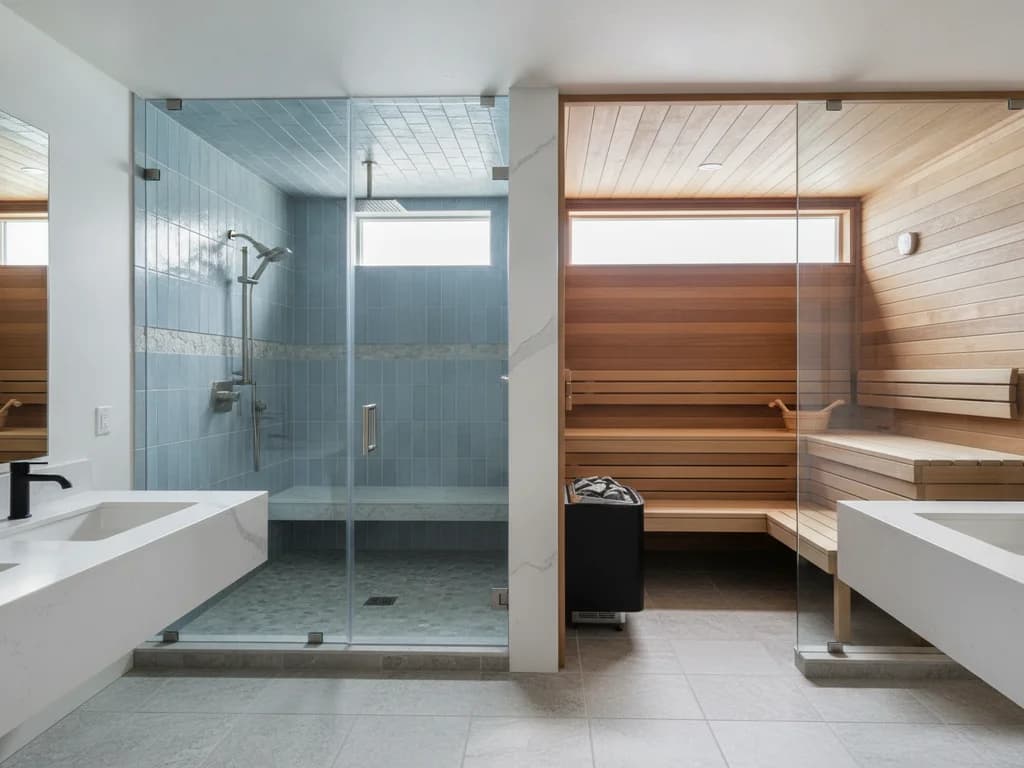
- What you actually want is a sauna. Dry heat, no vapor-sealing of the bathroom, and a very different build — read steam shower vs. sauna before committing to the wetter, more integrated project.
Ready to plan your Boise bathroom?
Licensed & insured · 3-year workmanship warranty
Frequently asked questions
- Are steam showers worth the money?
- For frequent users in a long-term home, genuinely yes — it is a daily wellness ritual that uses only a gallon or two of water per session and lives inside the shower footprint you already have. For occasional users, flips, or tight budgets, honestly no: the vapor-sealed construction and generator cost too much to sit unused. Usage frequency is the entire worth-it equation.
- What are the biggest problems with steam showers?
- Three cluster at the top: vapor escaping into walls when the enclosure was not built with steam-rated waterproofing on every surface; generators scaling up and failing early in hard-water areas like the Treasure Valley when flushing is skipped; and cold condensation dripping from flat ceilings that should have been sloped. All three are prevention problems — built and maintained right, steam showers are reliable.
- How much maintenance does a steam shower need?
- More than a standard shower, less than a hot tub. The generator needs periodic flushing and descaling — more often with Boise-area hard water — plus an occasional check of the auto-drain. The enclosure wants a quick squeegee after sessions to control mineral film, and gaskets and the door transom need occasional attention. Our steam shower maintenance guide lays out the full schedule.
- Does a steam shower use a lot of water and electricity?
- Water, remarkably little — a session vaporizes roughly one to two gallons, far less than any bath. Electricity is the real draw: generators run on a dedicated 240V circuit and pull several kilowatts during a session, so a daily 20-minute habit shows up modestly on the power bill. Total utility impact is comparable to running another major appliance regularly.
- Can you add steam to an existing shower?
- Sometimes, but it is rarely as simple as adding a steam head. A true steam conversion needs vapor-rated waterproofing on every enclosure surface, a sloped ceiling, sealed full-height glass with a transom, a generator location, and a 240V circuit — which usually means rebuilding the enclosure. If your shower is due for replacement anyway, that is the economical moment to add steam.
- What is better, a steam shower or a sauna?
- Different heat, different build. Steam is humid heat around 110–120°F integrated into your shower — best for people who want a daily ritual inside the bathroom footprint. A sauna is dry heat in a dedicated cedar room, simpler to maintain and separate from your waterproofing. Dry-air winters make both appealing here; our steam shower vs. sauna guide compares them head-to-head.
Sources
- National Fire Protection Association (NEC)
- HomeAdvisor — True Cost Guide
- USGS Water Science School — Hardness of Water
- wedi Corporation
- Schluter Systems
- Kohler
Claims and figures are drawn from the sources above and provided for general guidance; your project may vary. Photography is illustrative of design concepts. For a fixed price on your specific bathroom, request a free estimate.