Updated July 5, 2026 · 9 min read
By Boise Bath — bathroom & shower remodeling in Boise & the Treasure Valley
The short answer
A steam shower uses a sealed, tiled enclosure and a generator to create 100% humidity at a safe 118°F max; a traditional sauna uses a wood-lined room and a rock heater for dry heat at 150–185°F. Steam showers fit an existing shower footprint and cost less to add; saunas need dedicated space but suit dry-heat preference and longer sessions.
Key takeaways
- A steam shower is a sealed, vapor-tight shower enclosure paired with a generator, running up to a safe maximum of about 118°F with 100% humidity (This Old House); a traditional sauna is a separate wood-lined room heated to 150–185°F with low, user-controlled humidity, per Finnleo's sauna buying guide.
- Fixr prices a full steam shower installation at $8,000–$15,000 (averaging $11,000); Bob Vila prices home sauna installation at $2,300–$20,000+ for a traditional sauna or $1,500–$6,900 for infrared, depending on size and materials.
- A steam shower fits inside an existing shower footprint; a sauna needs its own dedicated room, which is why Boise Bath builds steam showers but doesn't currently install free-standing saunas.
- Cleveland Clinic attributes several wellness effects to sauna use — stress reduction, a cardiovascular response it says mimics exercise, and improved sleep — while cautioning that heart conditions, pregnancy, and certain medications call for a doctor's guidance first.
- Both need real ventilation and moisture management, but a sauna's dry heat and simpler wood-lined build generally asks less ongoing maintenance than a steam shower's sealed, tiled, generator-driven system.
Steam shower vs. sauna — what's actually different?
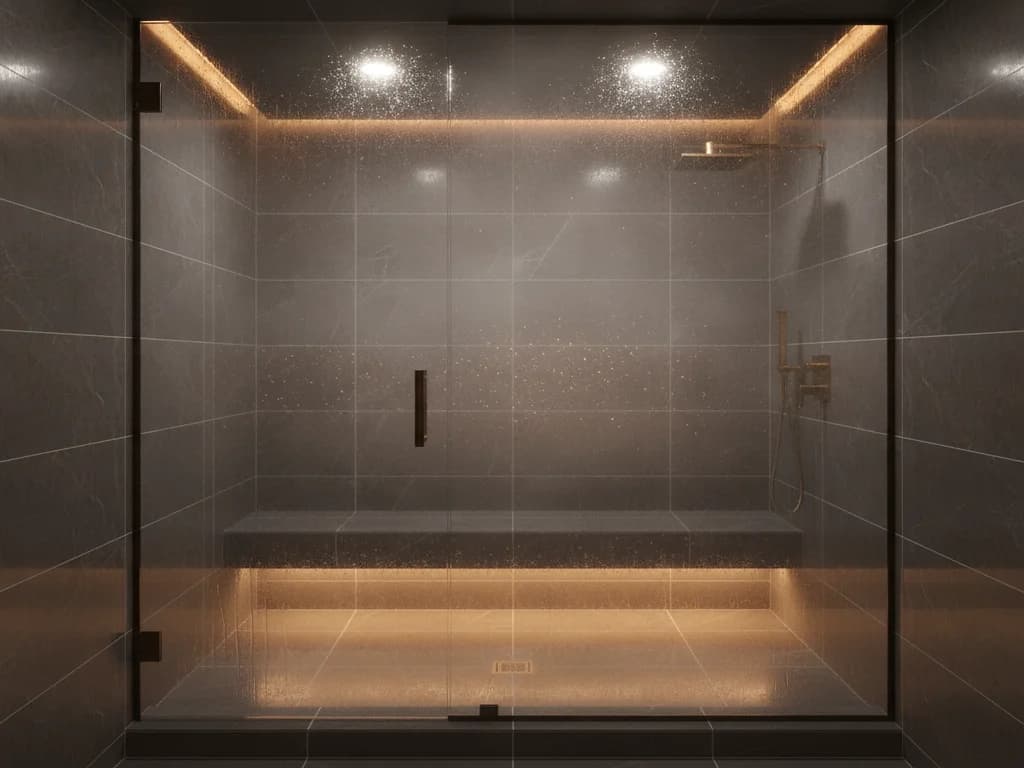
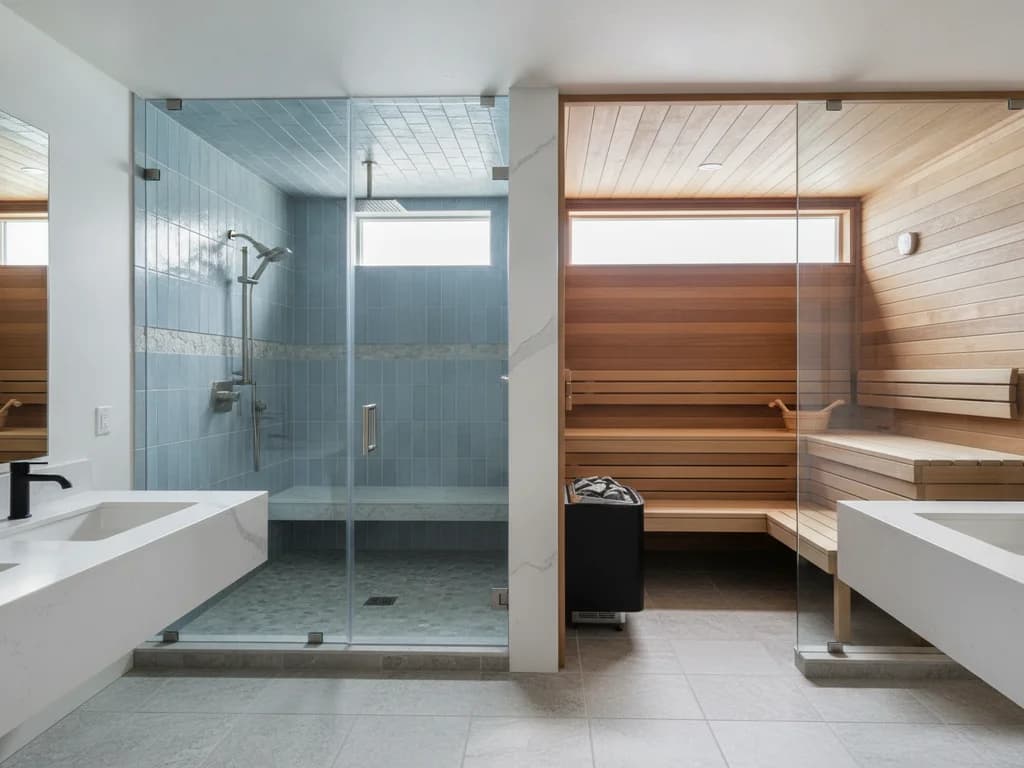
These two get lumped together as "home spa" upgrades, but they work in fundamentally different ways. A steam shower is a standard shower enclosure built vapor-tight, paired with a generator that fills it with saturated steam — This Old House puts the ceiling on that steam at a safe 118°F, far below a traditional sauna's much drier 150–185°F per Finnleo's sauna buying guide. A sauna is a separate wood-lined room heated by an electric or wood-burning heater, with humidity you control yourself by ladling water over hot rocks.
Because one fits inside a shower footprint and the other needs a dedicated room, most of the decision comes down to space and budget before it ever gets to preference.
How to read this comparison
If you already need a shower and want a wellness upgrade with no extra footprint, a steam shower is the natural fit. If you have a spare room, closet, garage corner, or outdoor space and prefer dry heat and longer sessions, a dedicated sauna is worth the extra space it asks for.
Quick comparison
This table summarizes how the two systems differ across the dimensions that actually drive the decision.
| Dimension | Steam Shower | Sauna |
|---|---|---|
| Heat type | Moist heat (steam) | Dry heat (traditional) or radiant (infrared) |
| Temperature | Up to a safe 118°F max (This Old House) | 150–185°F traditional; 120–150°F infrared (Finnleo) |
| Humidity | 100%, sealed enclosure | Low, user-controlled (traditional); minimal (infrared) |
| Space needed | Fits an existing shower footprint | Dedicated room, ceiling 77–96 in. (Finnleo) |
| Typical installed cost | $8,000–$15,000, avg $11,000 (Fixr) | $1,500–$20,000+ depending on type (Bob Vila) |
| Preheat time | Near-instant once generator runs | 40–45 min traditional; instant infrared (Finnleo) |
| Maintenance | Sealed tile and grout; generator descaling | Wood care and heater inspection — generally lighter |
| Does Boise Bath build this? | Yes — steam shower installation | Not currently offered |
Cost: what does each one actually run?
Fixr prices a full steam shower installation nationally at $8,000–$15,000, averaging $11,000, with a range up to $25,000 for larger or custom builds. This Old House and Bob Vila both put simpler, more prefab-weighted averages close together — $4,300 (range $2,800–$7,100) and $4,325 (range $2,650–$6,050) respectively — figures that lean toward basic prefab units, while Fixr's higher range captures more custom and combination builds. Bob Vila frames it simply: converting an existing shower to steam runs about $4,300, while building a new steam shower from scratch averages roughly $6,500.
Bob Vila prices home sauna installation across a wide range depending on type: infrared saunas run $1,500–$6,900, traditional dry saunas run $2,300–$20,000 or more, wood-burning saunas run $3,000–$6,000 (plus $4–$8 in firewood per 20-minute session), and prefab barrel saunas run roughly $3,500–$10,500. Installation labor adds $700–$3,000 on top, or $300–$1,500 for a simpler prefab kit, plus $350–$1,750 for any plumbing and $300–$800 for electrical work.
Boise Bath doesn't publish a standalone rate for either — a steam shower is offered as an upgrade to a Walk-In / Custom Tile Shower, published at $12,000–$22,000. We don't currently install free-standing saunas at all, so if a traditional or infrared sauna is what you're after, a dedicated sauna installer or manufacturer kit (Finnleo and similar brands are common) is the right resource.
Space and install complexity
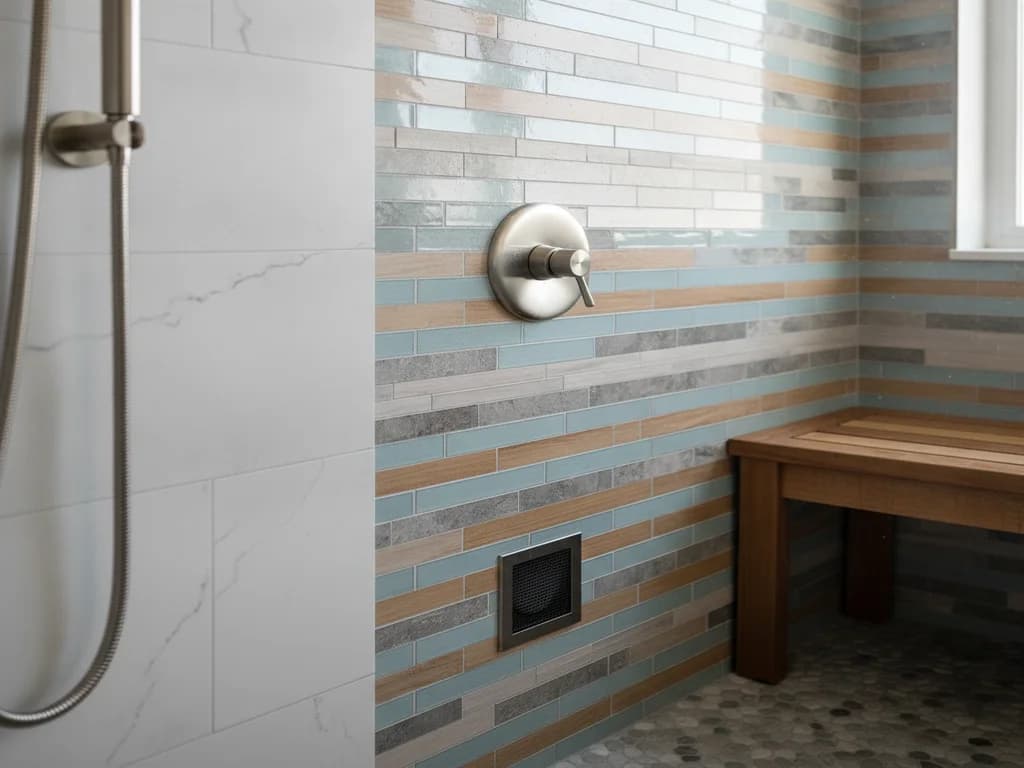
A steam shower fits inside an existing shower footprint, because it is one — the enclosure just needs to seal completely and slope so condensation runs off. It does need real infrastructure behind the tile: Mr. Steam's installation guidance calls for 240V (or 208V) single-phase electrical service on its own dedicated circuit, plus water, steam, and drain lines to the generator, which can sit up to 60 feet away in a closet, vanity, or attic.
A sauna needs its own room, not just a fixture — Finnleo's sizing guidance allows about 2 feet of upper bench space per bather to work out how many people a given room fits, and calls for a ceiling height of 77–96 inches (84 inches is average). Finnleo doesn't publish a single voltage spec for every sauna — heater amperage depends on the room's size and heater choice, which is why Finnleo directs buyers to a dealer for the electrical drawings — but either way, a sauna needs no drain at all, unlike a steam shower.
Comfort and wellness: what does the research actually say?
This is where we want to be careful rather than repeat marketing copy. Cleveland Clinic's own guidance on sauna use attributes several effects to regular sessions: reduced stress, a cardiovascular response it says "mimics exercise" as heart rate and sweating rise, improved sleep, and — with regular, long-term use — limited evidence pointing toward a possible reduction in dementia risk, though it notes more research is needed there. Cleveland Clinic also notes sauna heat may help with chronic back pain and muscle recovery, and that a wet sauna's moist heat can help hydrate the respiratory tract and move mucus, though it pairs every one of these with real cautions: dehydration is the primary risk, and anyone who is pregnant, over 65, under 16, or managing a heart condition, epilepsy, or certain medications should check with a doctor first. Cleveland Clinic's general session guidance is 15–20 minutes, starting at 5 minutes for beginners.
For steam showers specifically, we don't have a fetched source with the same level of clinical detail Cleveland Clinic provides for saunas — the claims steam shower manufacturers make around detoxification and specific health outcomes go further than the evidence we could verify supports. So we'll stay honest and keep this to comfort and practicality: a warm, fully saturated steam session is a genuinely relaxing daily ritual, especially paired with a rainfall head and a proper bench, and like any warm, humid room, it can make congestion feel more manageable in the moment. That's a real, practical benefit — just not one we're going to dress up as clinically studied the way sauna research has been.
When a steam shower genuinely wins
A steam shower is the better fit when you're already building or remodeling a shower and want a wellness upgrade without adding a room to the house. It wins on footprint, on not needing a second dedicated space, and on being the option Boise Bath actually builds as part of a custom shower — which means the waterproofing, sealing, and generator sizing get handled by the same team building the rest of your bathroom.
When a sauna genuinely wins
A sauna pulls ahead if you genuinely prefer dry heat, want longer sessions than a steam shower's typical use, or have a spare room, basement corner, garage bay, or outdoor spot to dedicate to it. An infrared unit in particular can be the lower-cost entry point of the two systems, and a sauna's simpler wood-lined build generally asks less long-term upkeep than a sealed, tiled, generator-driven steam enclosure.
One honest note: if a sauna is what you want, you'll need a specialized sauna installer or a manufacturer kit — it's not a service Boise Bath currently offers, since our shower expertise is built around vapor-tight, tiled steam enclosures, not free-standing wood-lined rooms.
Can you have both?
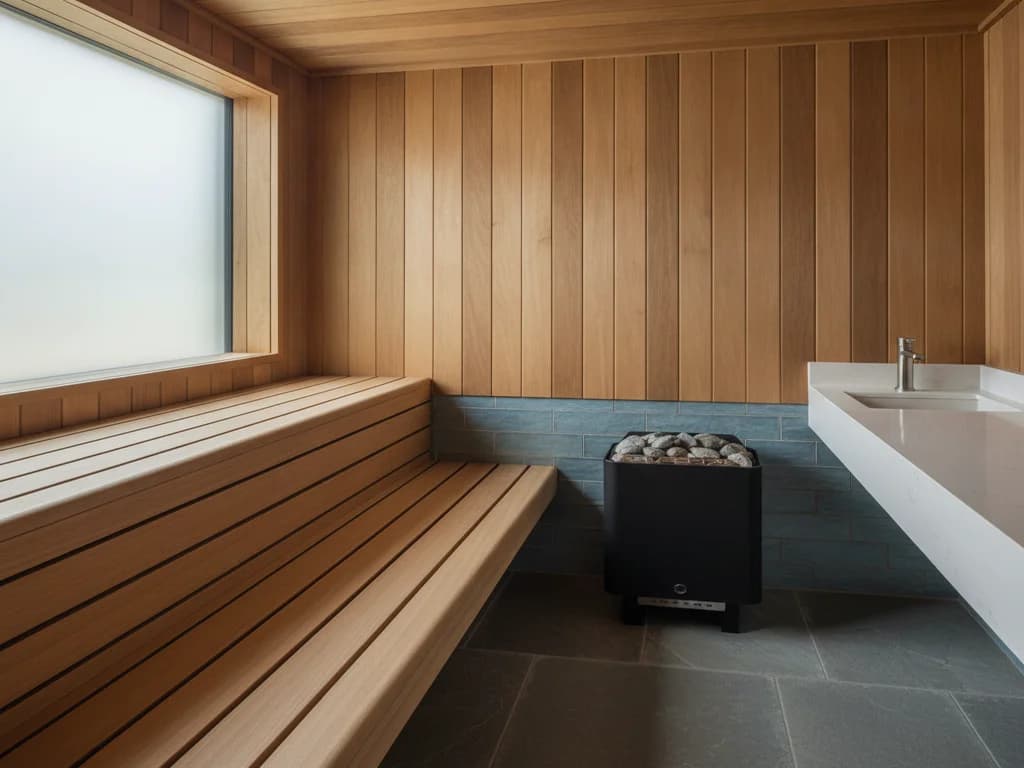
Yes, if space and budget allow — plenty of home spa setups include a steam shower inside the main bathroom remodel and a separate sauna elsewhere in the house (a basement, a garage conversion, or an outdoor structure). They're not competing for the same square footage unless your only spare room is the bathroom itself.
The bottom line
Decide by space and budget first, then preference. If you're already planning a shower and want the upgrade built in, a steam shower installation is the natural next step — see our steam shower design ideas and what a steam shower costs in Boise for the fuller picture. If a dedicated sauna is what you're after, a specialized sauna installer or manufacturer kit is the right path, and we're happy to talk through whether a steam shower could deliver what you're actually looking for in the meantime.
Ready to plan your Boise bathroom?
Licensed & insured · 3-year workmanship warranty
Frequently asked questions
- Is a steam shower or a sauna cheaper to add to a home?
- It depends on the type. Bob Vila prices an infrared sauna as low as $1,500–$6,900, which can undercut a full custom steam shower — Fixr prices that at $8,000–$15,000 (averaging $11,000). But a simpler, prefab-weighted steam setup runs closer to $2,800–$7,100 per This Old House and Bob Vila, which lands near a mid-range traditional dry sauna at $2,300–$20,000+.
- Which is better for health — a steam shower or a sauna?
- Cleveland Clinic's cited sauna research covers stress reduction, a cardiovascular response it says mimics exercise, and sleep — with real cautions for certain heart conditions, pregnancy, and medications. We don't have a comparably detailed clinical source specifically for steam showers, so we treat steam as a genuine comfort and relaxation upgrade rather than a clinically studied wellness treatment.
- Does Boise Bath install saunas?
- No — we specialize in vapor-tight, tiled steam shower installations built into a custom shower, not free-standing wood-lined saunas. If a traditional or infrared sauna is what you want, a dedicated sauna installer or manufacturer like Finnleo is the right resource; we can still help if a steam shower fits your goals instead.
Sources
- Fixr — Steam Shower Installation Cost (2025)
- This Old House — All About Steam Showers: How They Work, Cost and Installation
- Bob Vila — How Much Does a Steam Shower Cost to Install?
- Bob Vila — How Much Does a Home Sauna Cost to Install?
- Finnleo — The Comprehensive Sauna Buying Guide (manufacturer)
- Finnleo — Sauna Construction: What to Expect (manufacturer)
- MrSteam — Ultimate Guide to Installing Home Steam Showers (manufacturer)
- Cleveland Clinic — Get Your Sweat On: The Benefits of a Sauna
- TCNA — Handbook for Ceramic, Glass & Stone Tile Installation
- NFPA — National Electrical Code (NFPA 70)
Claims and figures are drawn from the sources above and provided for general guidance; your project may vary. Photography is illustrative of design concepts. For a fixed price on your specific bathroom, request a free estimate.