Updated July 16, 2026 · 7 min read
By Boise Bath — bathroom & shower remodeling in Boise & the Treasure Valley
The short answer
A walk-in tub costs roughly $2,000–$20,000 installed nationally, per HomeAdvisor and Angi cost guides, with most projects landing between $5,000 and $10,000. A basic soaker sits at the low end, hydrotherapy and bariatric models climb from there, and homes that need a dedicated electrical circuit or a larger water heater pay more on top.
Key takeaways
- National data puts an installed walk-in tub at roughly $2,000–$20,000, with most projects between $5,000 and $10,000 (HomeAdvisor, Angi).
- The tub type is the biggest lever: basic soakers run roughly $2,000–$5,000 for the unit, while combination hydrotherapy and bariatric models run roughly $5,000–$15,000 or more, per HomeAdvisor.
- Jetted and heated models need a dedicated GFCI-protected circuit — an electrical line item that a tub-only price never includes.
- Walk-in tubs hold more water than standard tubs, and many homes need a water heater upgrade to fill one comfortably.
- The installed price also depends on what is being removed — swapping out an existing tub is a different scope than carving out a new alcove.
- National ranges are planning bands; a fixed local quote against your bathroom is the only number worth budgeting on.
The short answer: national ranges
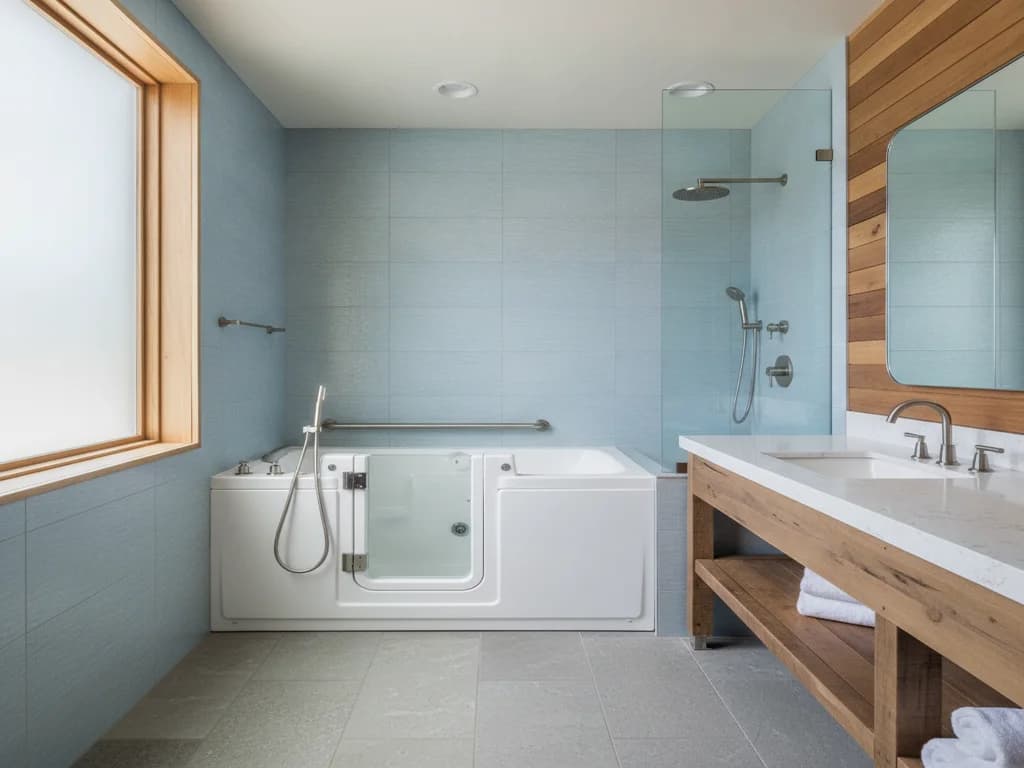
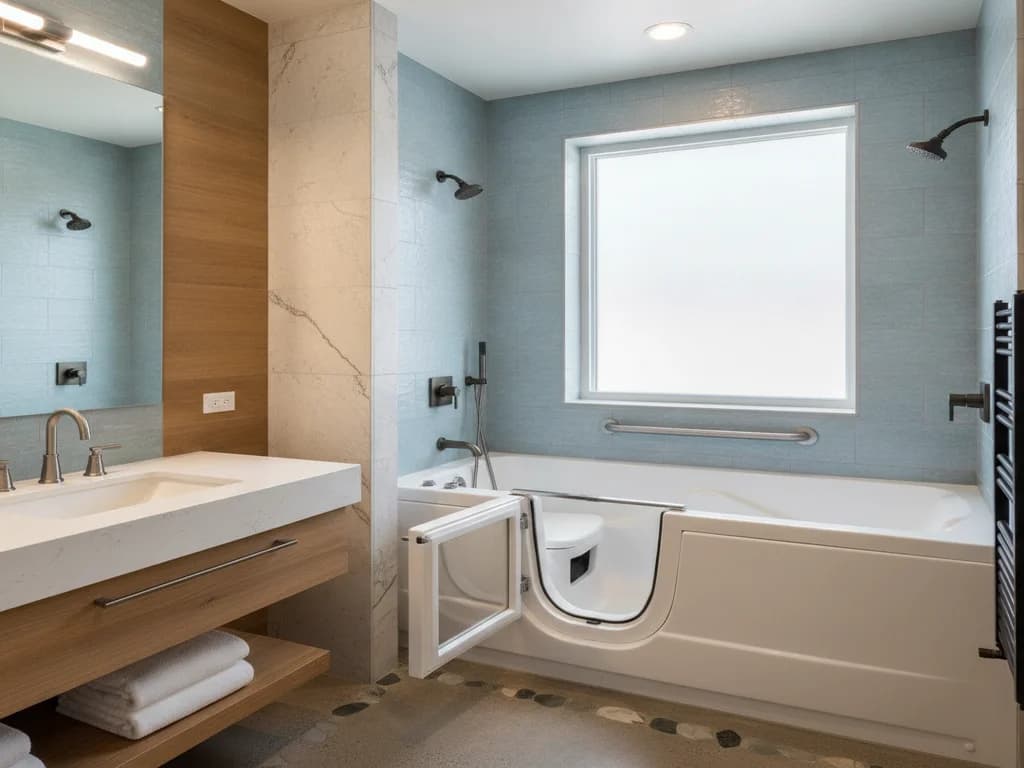
HomeAdvisor’s cost guide puts a walk-in tub at roughly $2,000–$20,000 installed nationally, with most homeowners spending between $5,000 and $10,000. Angi’s data lands in the same band. That spread is wide because "walk-in tub" covers everything from a basic soaking model dropped into an existing alcove to a jetted bariatric unit that needs new electrical, upgraded hot water, and framing changes.
Two decisions set where your project lands: which tier of tub you buy, and how much your bathroom has to change to receive it. The sections below price both — and every figure here is a national range, so treat them as planning bands rather than quotes.
Cost by tub type: soaker, hydrotherapy, bariatric
The unit itself is the largest single line, and the feature tier drives it. HomeAdvisor and Angi both break walk-in tubs into roughly the same tiers.
| Tub type | Typical national unit range | What you get |
|---|---|---|
| Basic soaker | $2,000–$5,000 | Watertight door, built-in seat, grab bars — no jets |
| Air-jet or whirlpool (hydrotherapy) | $5,000–$10,000 | Air or water jets, pump, usually an in-line heater |
| Combination air + water jets | $7,000–$15,000 | Both jet systems, heated seat and faster-drain options common |
| Bariatric / wheelchair-accessible | $5,000–$10,000+ | Wider door and seat, higher weight rating, outward-swinging door on transfer models |
National unit-only ranges per HomeAdvisor and Angi cost guides. Installation, electrical, and hot-water work are additional — see the sections below.
What installation actually includes
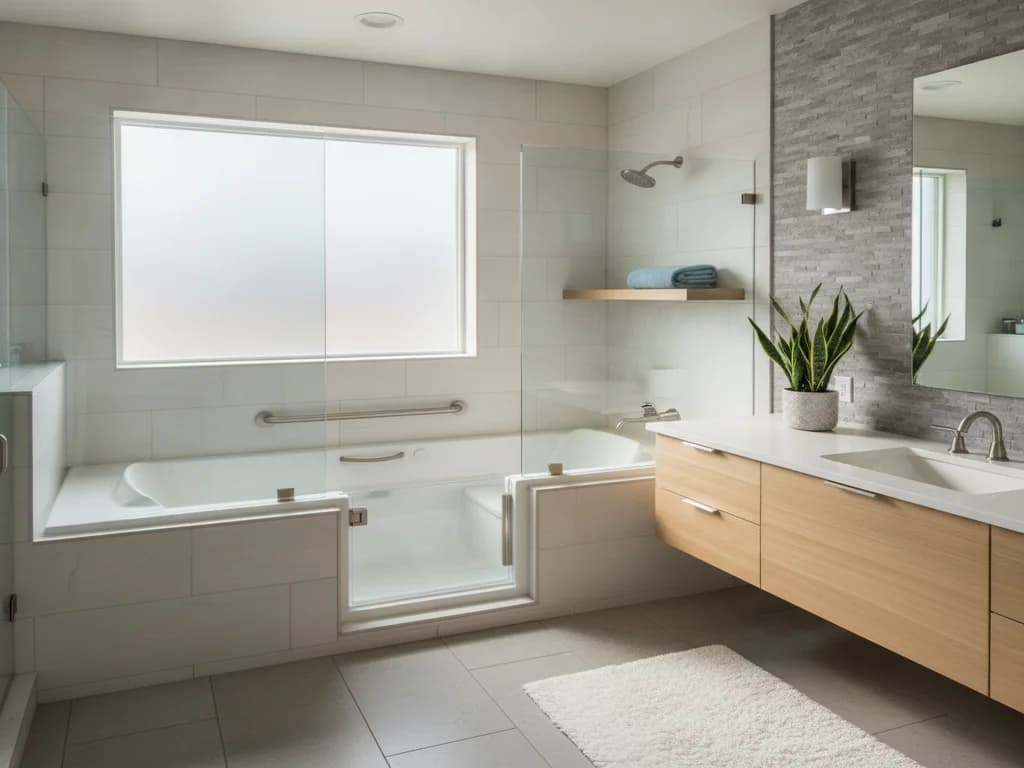
Labor for a straightforward swap — old tub out, walk-in tub into the same alcove, existing plumbing reused — commonly runs $700–$3,000 nationally, per Angi. That covers demolition, setting and leveling the unit, connecting supply and drain lines, and sealing the surround.
The scope grows when the bathroom has to change to fit the tub. Walk-in tubs are taller and often deeper front-to-back than a standard tub, so some alcoves need reframing, new surround panels, or flooring patched where the old tub’s footprint doesn’t match. If the tub is replacing a shower or going into a spot with no existing plumbing, drain and supply lines have to move — that is its own budget line, and our plumbing relocation cost breakdown covers what drives it.
If what you really want is to get rid of a tub rather than upgrade one, price the alternative first — our tub replacement cost guide covers the standard swap, and the walk-in premium only makes sense if someone in the house will use the door and seat.
The two line items quotes leave out: electrical and hot water
Any walk-in tub with jets, an in-line heater, or a heated seat needs power — and bathroom circuits serving that kind of equipment must be GFCI-protected under the National Electrical Code. If your bathroom doesn’t have a suitable dedicated circuit near the tub (most older Treasure Valley homes don’t), an electrician runs one from the panel. That is permitted, inspected work, not an add-on the tub installer improvises.
Hot water is the quieter problem. A walk-in tub fills around a seated bather, so many models hold 50 gallons or more — and because you sit inside while it fills and drains, a slow fill from an undersized water heater is felt on every use. Homes with a smaller tank often need a water heater upgrade or a fast-fill valve package to make the tub pleasant, and that belongs in the budget conversation up front, not after installation.
Verify power and hot water before you buy the tub
The most common walk-in tub budget surprise is discovering after purchase that the bathroom needs a new dedicated circuit or the water heater can’t fill the tub warm. Have both checked during the estimate — a fixed quote should name them explicitly, even if the answer is "no work needed."
What moves the price up or down
- Feature tier: jets, in-line heaters, heated seats, and fast-drain systems each step the unit price up — we cover what’s actually worth paying for in a separate features guide.
- Door style: bariatric and transfer models with outward-swinging doors cost more and can require clearance changes in a tight bathroom.
- What’s being removed: reusing an existing tub alcove is the cheapest path; converting a shower footprint or a new location adds plumbing and framing.
- Electrical distance: a panel across the house from the bathroom means a longer, costlier circuit run.
- Hot-water capacity: a water heater upgrade is a four-figure line of its own when the existing tank is undersized.
- Floor condition: like any tub swap, hidden subfloor damage found at demolition adds scope — walk-in tubs are heavy when filled, so soft framing gets fixed, not skipped.
Walk-in tub or walk-in shower?
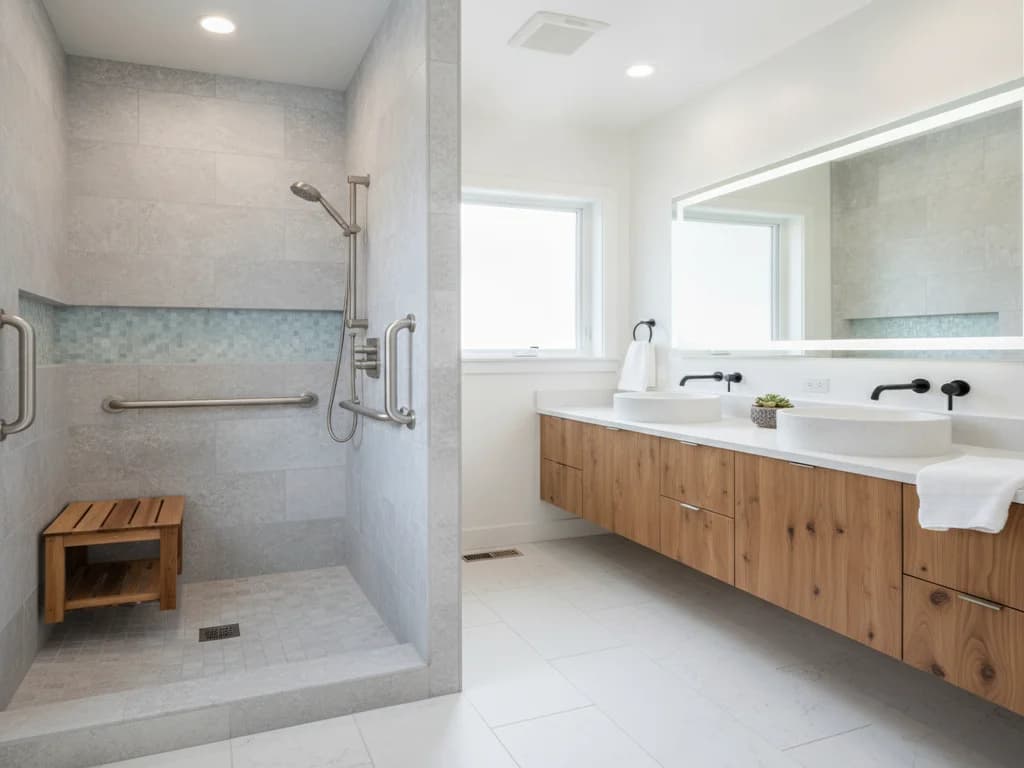
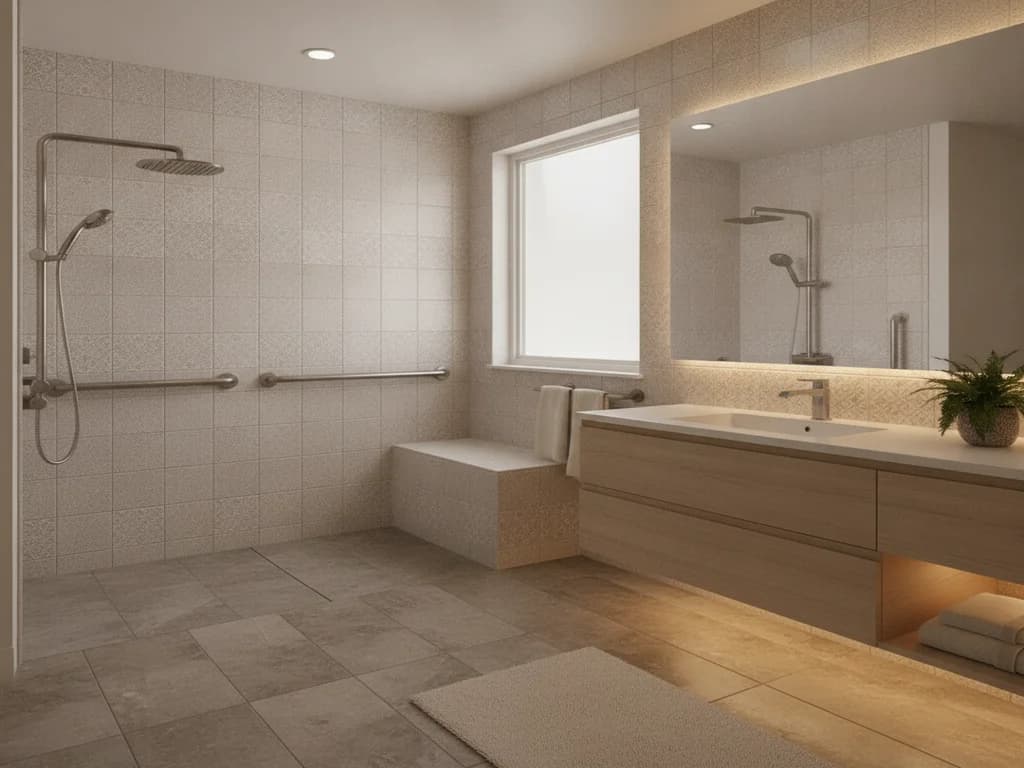
Before committing five figures, it is worth pressure-testing whether a walk-in tub is the right accessibility tool at all. For many households the same budget buys a curbless walk-in shower with a bench and grab bars — a different set of trade-offs around bathing posture, wait-time in the tub, and resale. We compare the two head-to-head in walk-in tub vs. walk-in shower, and weigh the honest upsides and drawbacks of the tubs themselves in our walk-in tub pros and cons breakdown.
If the decision is made and you want to see how the swap actually goes, replacing a bathtub with a walk-in tub walks through the process. And if the tub is part of a broader aging-in-place project, our accessible bathroom remodel cost guide prices the full picture for the Treasure Valley — falls are the leading cause of injury among older adults, per the CDC, and the bathroom is where most of that risk concentrates.
Budgeting a walk-in tub in Boise
Treasure Valley housing works in this project’s favor more often than not: single-level ranches from the 1970s through the 1990s put the bathroom, panel, and water heater on one floor, which keeps electrical runs and plumbing changes shorter than in multi-story homes. The common local complication is the era-typical 40-gallon water heater paired with a builder-grade tub alcove that needs reframing for a taller unit.
National ranges get you to a planning band, but the spread between "reuse the alcove" and "new circuit plus water heater" is thousands of dollars — and only a walkthrough settles which project yours is. A free estimate gets you a fixed price against your actual bathroom, tub tier, and electrical and hot-water situation, rather than a national average.
Ready to plan your Boise bathroom?
Licensed & insured · 3-year workmanship warranty
Frequently asked questions
- How much does a walk-in tub cost installed?
- Roughly $2,000–$20,000 nationally, per HomeAdvisor and Angi cost guides, with most projects landing between $5,000 and $10,000. A basic soaker in an existing alcove sits at the low end; a combination hydrotherapy or bariatric model that needs a new circuit, hot-water upgrade, or framing changes lands in the five figures.
- Why are walk-in tubs so expensive compared to regular tubs?
- You are paying for a watertight door mechanism, a built-in seat, safety hardware, and usually pumps and heaters — plus installation scope a standard tub never triggers. Jetted models need a dedicated GFCI-protected circuit under the National Electrical Code, and the larger fill volume often means a water heater upgrade. The unit and the house-side work both cost more.
- Does Medicare pay for a walk-in tub?
- Generally no. Original Medicare treats walk-in tubs as a convenience item rather than durable medical equipment, so it does not cover them in typical cases. Some Medicare Advantage plans, state assistance programs, and veterans’ benefits offer partial help, but eligibility varies — verify with your plan in writing before you count on any reimbursement in the budget.
- Do I need to upgrade my water heater for a walk-in tub?
- Often, yes. Many walk-in tubs hold 50 gallons or more, and because you sit inside while the tub fills, an undersized water heater means a long, lukewarm wait on every bath. If your home has a smaller tank — common in older Treasure Valley houses — plan for a water heater upgrade or a fast-fill package as part of the project.
- How much does a bariatric walk-in tub cost?
- Bariatric and wheelchair-accessible models run roughly $5,000–$10,000 or more for the unit nationally, per HomeAdvisor — above standard soakers because of the wider door, larger seat, and higher weight rating. Installation can also cost more if the wider footprint requires alcove reframing or if an outward-swinging transfer door needs clearance changes in the room.
- Is a walk-in tub worth it compared to a walk-in shower?
- It depends on how the user bathes. A walk-in tub suits people who want seated soaking or hydrotherapy and can wait through fill and drain cycles; a curbless walk-in shower suits people who want fast, low-effort bathing and easier caregiver access. Similar budgets can buy either — our walk-in tub vs. walk-in shower comparison walks through the decision.
Sources
- HomeAdvisor — True Cost Guide
- Angi — Cost Guides
- National Fire Protection Association (NEC)
- CDC — Older Adult Fall Prevention
Claims and figures are drawn from the sources above and provided for general guidance; your project may vary. Photography is illustrative of design concepts. For a fixed price on your specific bathroom, request a free estimate.