Updated September 10, 2026 · 7 min read
By Boise Bath — bathroom & shower remodeling in Boise & the Treasure Valley
The short answer
For most people aging in place, a walk-in shower is the better choice — faster to use, easier for caregivers to assist, and typically less expensive than a walk-in tub. Choose a walk-in tub only if warm-water soaking is a genuine therapeutic need and you can accept sitting through the fill and drain every bath.
Key takeaways
- A walk-in shower with a low or zero threshold removes the single biggest bathroom hazard — climbing over a tub wall — which matters because falls are the leading cause of injury among adults 65+, per the CDC.
- A walk-in tub requires sitting inside, wet and undressed, while it fills and again while it drains — often 10–20 minutes of waiting per bath depending on water heater and drain speed.
- Caregiver access strongly favors the shower: an open entry lets a helper assist from outside, while a walk-in tub encloses the bather behind a sealed door.
- Cost direction favors the shower: walk-in tubs are specialty equipment with installed prices that commonly land well above a comparable walk-in shower conversion.
- Hydrotherapy is the walk-in tub’s real case — if a physician recommends warm-water soaking for arthritis or circulation, the tub earns its tradeoffs.
- Either option only works as part of a safety system: grab bars, non-slip flooring, seating, and good lighting do as much for fall prevention as the fixture itself.
The verdict: the shower wins for most households
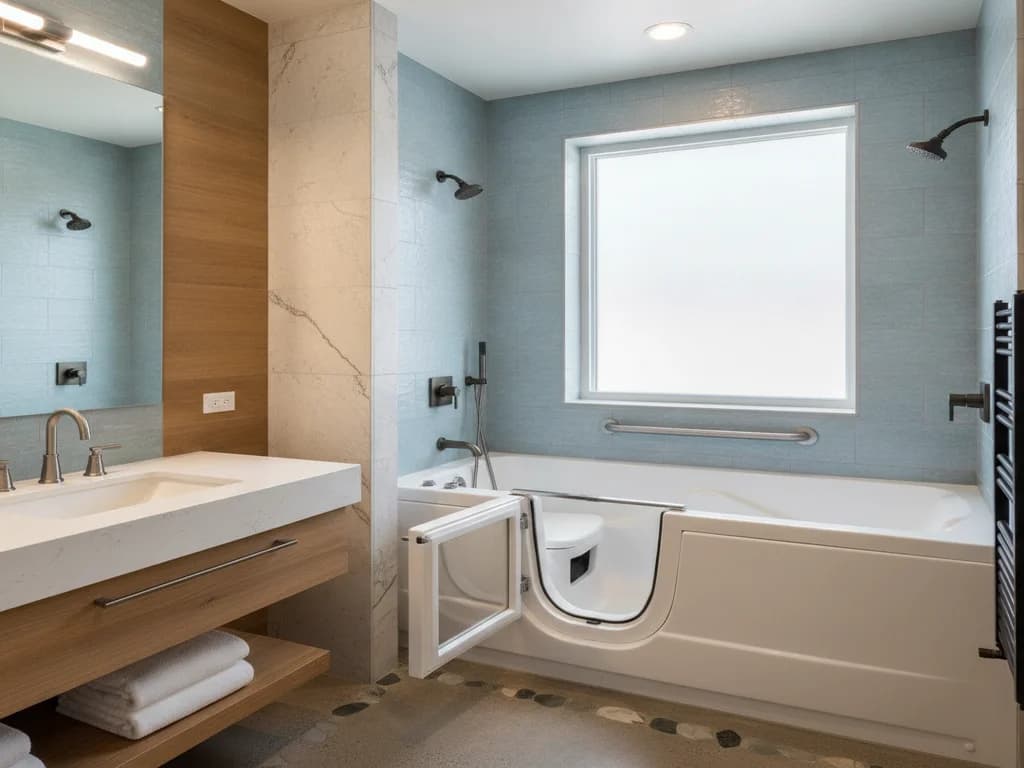
Walk-in tubs and walk-in showers solve the same problem — getting over a standard tub wall becomes dangerous — but they solve it in opposite ways. The tub keeps bathing and adds a sealed door. The shower removes the barrier entirely.
For most people planning to age in place, the shower is the stronger answer. It is faster for daily use, far easier for a caregiver to help with, simpler to keep clean, and usually the less expensive project. The walk-in tub earns its place in one specific situation: when warm-water soaking is a genuine therapeutic need, not just a nice idea.
That distinction matters because walk-in tubs are heavily marketed to seniors, often through in-home sales presentations, and the pitch rarely mentions the daily realities below. This article covers the comparison honestly; if you already know which direction you lean, see what replacing a bathtub with a walk-in tub or replacing a bathtub with a walk-in shower actually involves.
Why this decision matters: the fall problem
Falls are the leading cause of injury and injury-related death among adults 65 and older, per the CDC, and the bathroom is one of the most common places they happen. Hard surfaces, water, and the awkward act of stepping over a 14-to-20-inch tub wall combine into exactly the scenario fall-prevention guidance warns about.
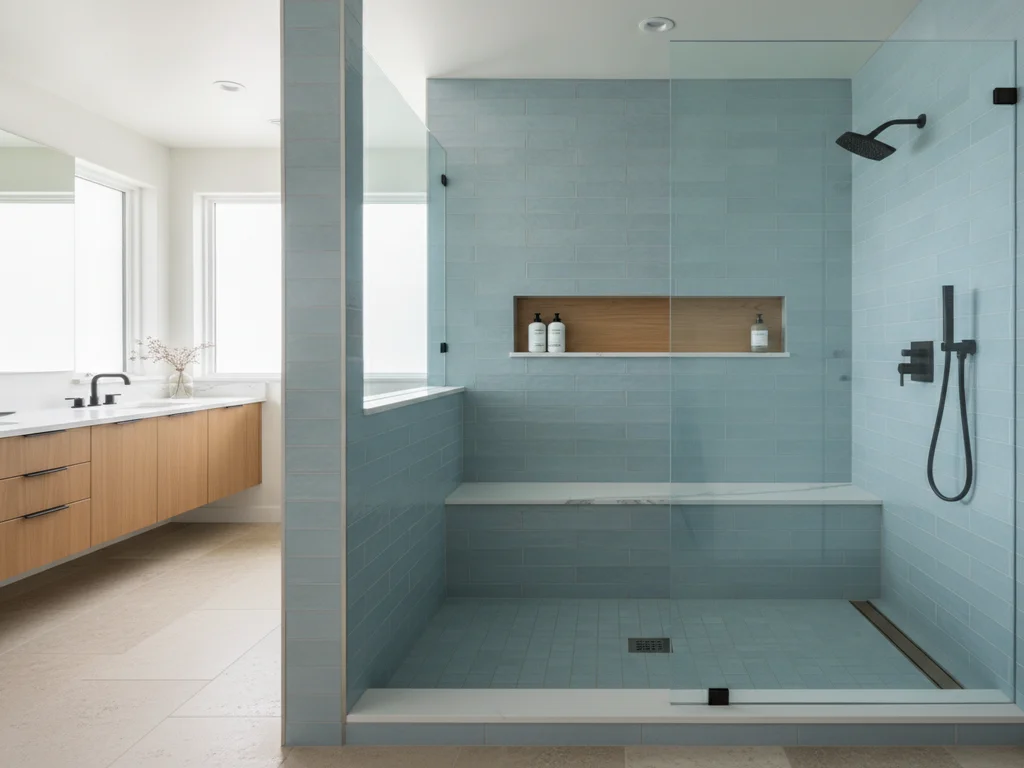
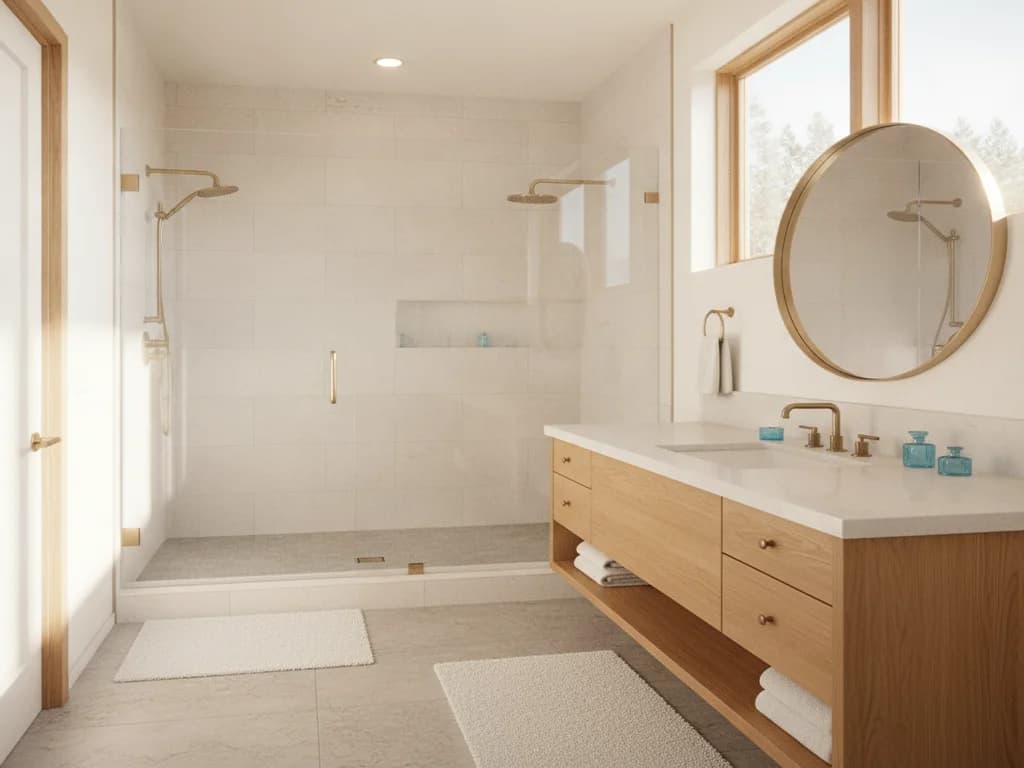
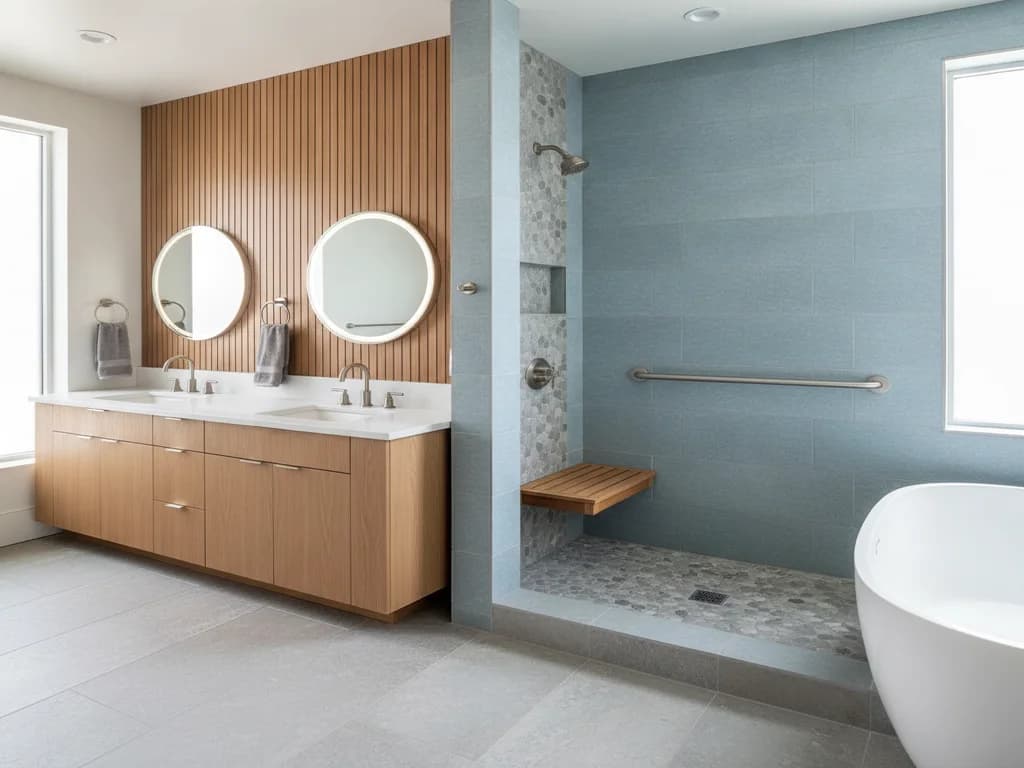
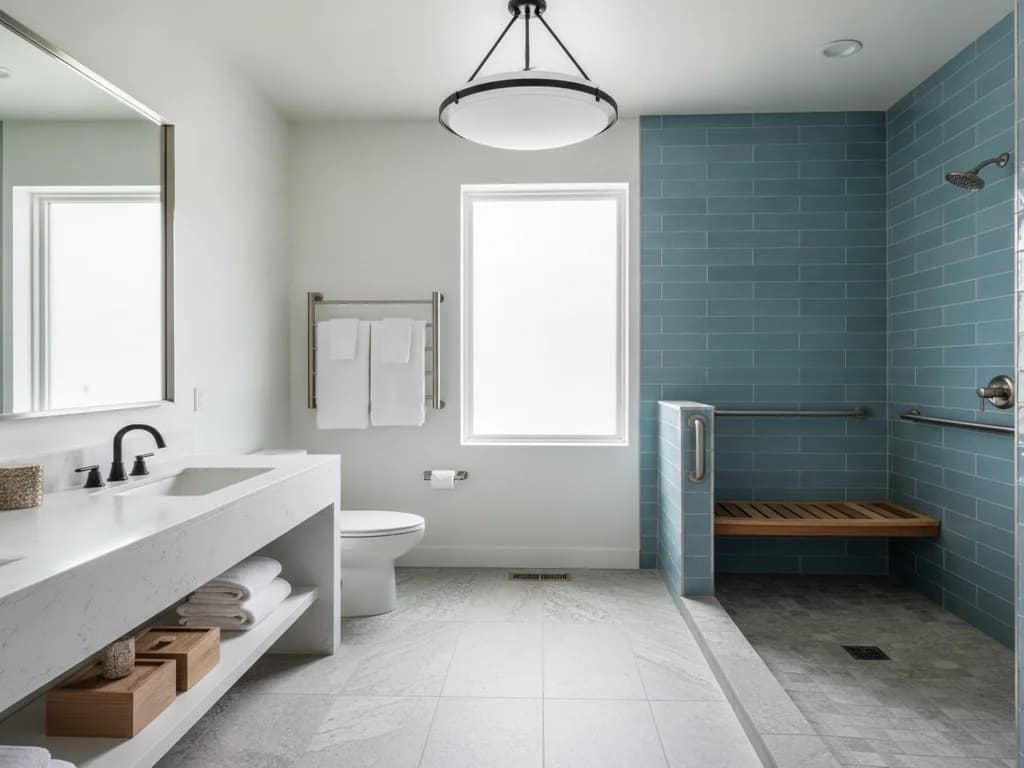
Both options attack that hazard at its source. A walk-in tub replaces the climb with a low step-in door, typically a few inches high. A walk-in shower — especially a curbless design — can eliminate the threshold entirely, which is why AARP’s home-modification guidance consistently features zero-step showers among the highest-impact aging-in-place changes.
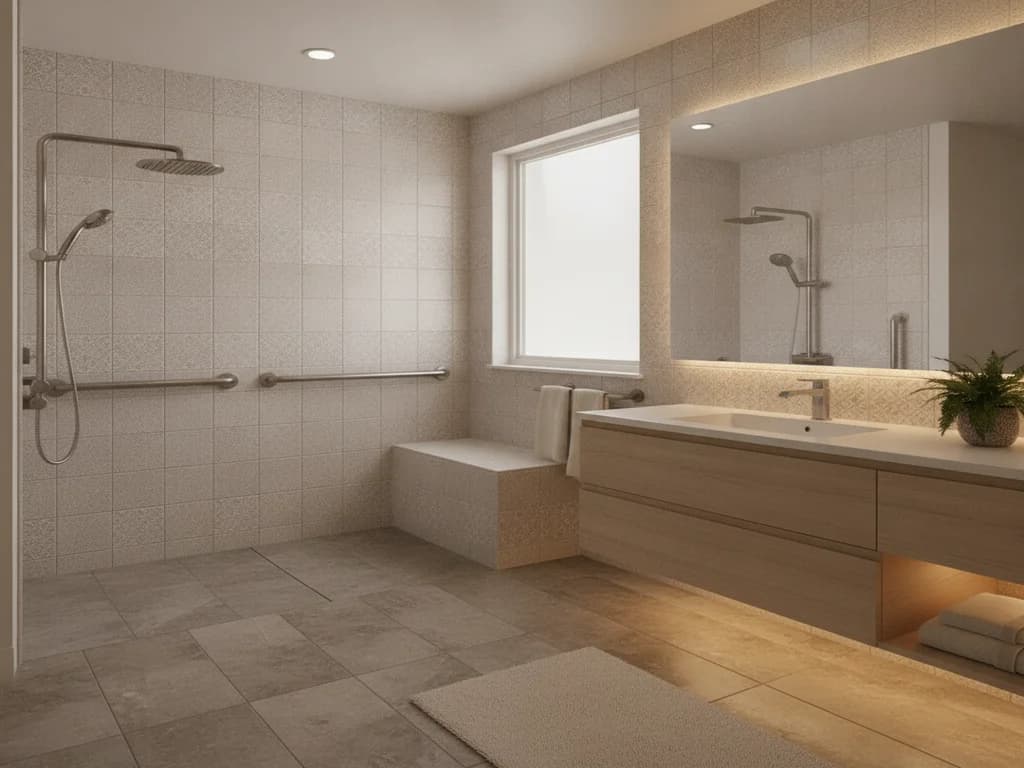
Neither fixture is a complete solution by itself. Grab bars placed where you actually load your weight, non-slip flooring, a sturdy seat, and a handheld shower head are what turn either one into a safe bathing setup — our grab bar placement guide covers the details.
Walk-in tub vs. walk-in shower: the side-by-side
Here is the whole decision in one table. Notice how many rows favor the shower for everyday use — and where the tub genuinely pulls ahead.
| Factor | Walk-in tub | Walk-in shower |
|---|---|---|
| Entry | Low step over a door sill, then a sealed door closes behind you | Low or zero threshold — walk or roll straight in |
| Time per use | Sit through the full fill, bathe, then sit through the full drain before the door opens | As fast as any shower — no waiting |
| Caregiver access | Difficult — the bather is enclosed behind a sealed door in a deep tub | Open access — a helper can assist from outside the spray |
| Comfort during use | Sitting wet while the tub fills and drains; heated seats on some models offset the chill | Immediate warm water; bench seating available |
| Therapeutic value | Strong — warm-water soaking, air or water jets for arthritis and circulation | Limited to what a shower provides |
| Wheelchair use | Generally not compatible — requires transferring into a narrow door and seat | Curbless designs accommodate roll-in access |
| Water use | High — deep tubs hold far more water than a typical shower uses | Modest, especially with WaterSense fixtures |
| Cost direction | Higher — specialty equipment plus installation, often above a full shower conversion | Lower for comparable quality; standard remodel trade work |
Installed costs vary widely with model, plumbing, and bathroom condition; both projects are quoted after a site visit, not from a price sheet.
The fill-and-drain problem nobody mentions in the ads
This is the walk-in tub’s defining tradeoff, and it deserves its own section. Because the door seals into the tub wall, it can only open when the tub is empty. That means you enter dry, close the door, and sit — undressed and initially cold — while the tub fills. When you finish, you sit again while it drains completely before you can get out.
How long that takes depends on your water heater’s capacity and recovery, your home’s water pressure, and the tub’s drain design. Manufacturers offer fast-fill faucets and rapid-drain systems for a reason, but a realistic expectation is several minutes on each end, and a standard water heater may run out of hot water before a deep tub fills. Many households discover the tank needs upgrading as part of the project.
Some people adapt to the rhythm without complaint, especially when the soak itself is the point. But if the goal is efficient, safe daily bathing, waiting through two fill-drain cycles per bath is a real cost — and it is the single most common regret reported by walk-in tub owners who bought on the safety pitch alone.
Buying under sales pressure is the real hazard
Walk-in tubs are commonly sold through in-home presentations with same-day-discount pressure. Never sign for a four- or five-figure bathroom fixture during the first visit. Get the model name, compare quotes, and talk to a remodeler who installs both tubs and showers — a contractor who only sells one product will always recommend that product.
Caregiver access: the quiet dealbreaker
If a spouse, family member, or home-health aide helps with bathing now — or realistically might within a few years — the comparison tilts hard toward the shower.
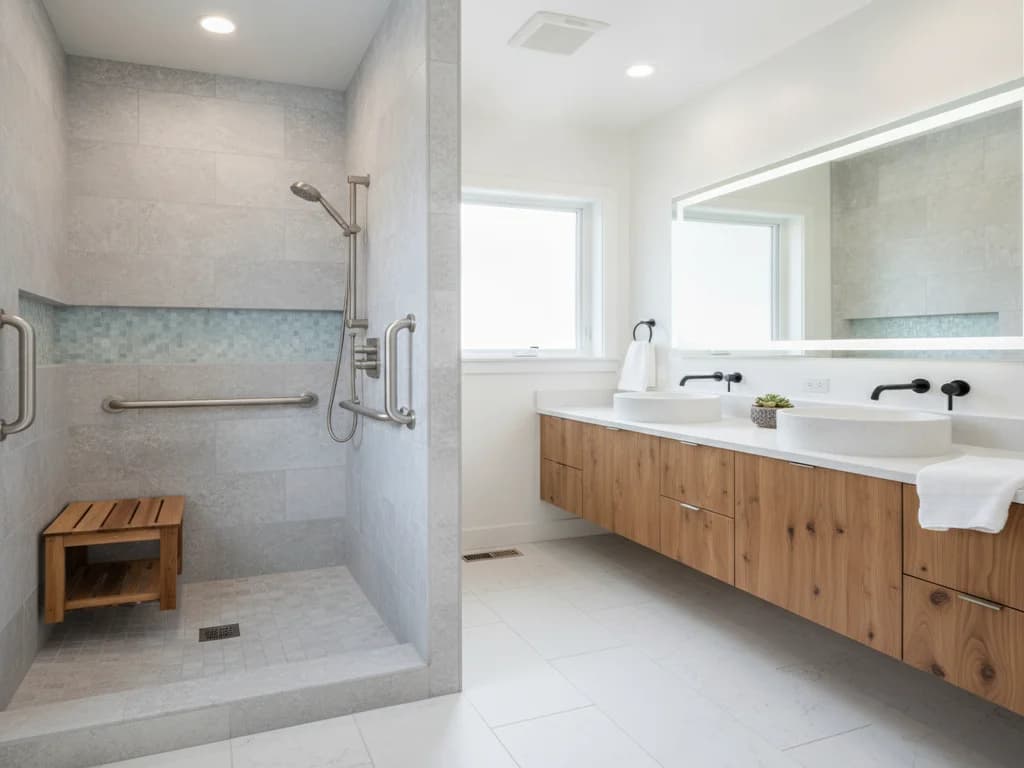
A walk-in shower lets a caregiver stand at the opening, assist with washing, and support a transfer onto a bench, all without climbing in. A handheld shower head on a slide bar makes assisted bathing practical and dignified. This is why accessible design guidance, including ADA-informed residential practice, centers on open, roll-in shower geometry.
A walk-in tub encloses the bather behind a latched door in a deep, narrow shell. A caregiver can reach over the wall, but cannot easily support someone who slips off the seat or panics — and if the bather cannot operate the door or drain, they are effectively stuck until the water empties. For anyone with cognitive decline, that enclosed geometry deserves serious pause.
Cost direction and what drives it
Walk-in tubs are specialty products: a molded tub with a sealed door, jets, heaters, and safety systems, plus installation that often includes plumbing changes and sometimes an electrical circuit and water-heater upgrade. Installed prices commonly run well into five figures — a full breakdown is coming in our walk-in tub cost guide.
A walk-in shower conversion is standard remodel work — demo, waterproofing, pan, walls, glass, and fixtures — priced by scope and finish level. For what a converted shower costs locally, see our accessible bathroom remodel cost guide; per HomeAdvisor, national tub-to-shower conversions land roughly in the $1,500–$8,000 range, averaging about $3,000, depending on materials and scope.
Insurance rarely helps either way. Original Medicare generally does not cover walk-in tubs as durable medical equipment, and coverage under Medicare Advantage or Medicaid waivers is case-by-case. Budget as if the project is out of pocket, and be skeptical of any salesperson who implies otherwise.
Which should you choose?
Match the fixture to how bathing actually happens in your house:
- Daily bathing with declining mobility, no soaking requirement: walk-in shower with a bench, grab bars, and handheld head — the safest, fastest everyday setup.
- Physician-recommended warm-water therapy for arthritis, circulation, or chronic pain: walk-in tub — this is the one scenario where its tradeoffs buy something real.
- A caregiver assists with bathing now or likely will: walk-in shower — open access makes assistance practical; a sealed tub door works against it.
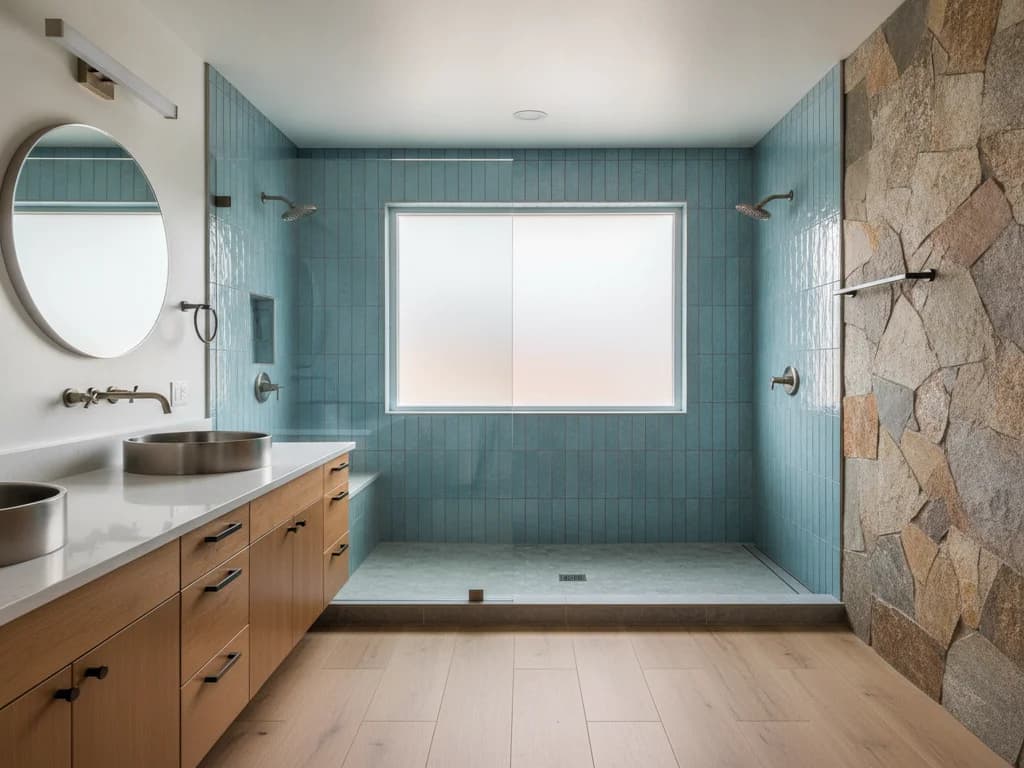
- Wheelchair use, now or anticipated: curbless walk-in shower — roll-in access is something no walk-in tub offers.
- You want both safety and an occasional soak, and the bathroom has space: a walk-in shower plus a conventional tub elsewhere in the house often beats one compromise fixture.
- You are deciding whether to give up the tub entirely: read should I remove the only bathtub before committing — resale math differs by home.
Ready to plan your Boise bathroom?
Licensed & insured · 3-year workmanship warranty
Frequently asked questions
- Is a walk-in tub or walk-in shower better for seniors?
- For most seniors, a walk-in shower is better: it is faster to use, easier for a caregiver to assist with, compatible with wheelchairs in curbless form, and usually less expensive installed. A walk-in tub is the better choice only when warm-water soaking is a genuine therapeutic need — for arthritis relief, for example — and the daily fill-and-drain wait is acceptable.
- How long do you have to sit in a walk-in tub while it fills and drains?
- Plan on several minutes at each end of every bath — the sealed door cannot open until the tub is empty, so you sit through the entire fill and the entire drain. Actual times depend on your water pressure, water heater capacity, and the tub’s drain system; fast-drain models shorten the wait but do not eliminate it. Many buyers also find a standard water heater cannot fill a deep tub without running cold.
- Does Medicare pay for a walk-in tub or walk-in shower?
- Generally no. Original Medicare does not classify walk-in tubs or shower conversions as covered durable medical equipment, so most households pay out of pocket. Some Medicare Advantage plans, Medicaid home-modification waivers, and veterans’ programs offer partial help case by case. Treat any sales claim that "insurance covers it" with skepticism and verify with the plan directly before signing anything.
- Are walk-in tubs safe if you fall or panic inside?
- They prevent the climb-over fall, but the enclosed geometry cuts both ways: a bather who slips off the seat or becomes distressed is behind a latched door in a deep shell, and the door cannot open until the water drains. Caregivers cannot easily reach in to help. For users with cognitive decline or conditions that cause sudden weakness, an open walk-in shower with seating is usually the safer layout.
- What does a walk-in shower for aging in place need to include?
- A low or zero-entry threshold, a fold-down or built-in bench, grab bars anchored into blocking at entry and seat locations, non-slip floor tile, a handheld shower head on a slide bar, and bright lighting. Together those address the fall risks the CDC identifies for older adults far more completely than any single fixture. A curbless design adds wheelchair access if it is ever needed.
- Can you replace a bathtub with either option in the same footprint?
- Usually, yes. Most walk-in tubs and walk-in showers are designed to fit the standard 60-inch alcove a conventional tub occupies, which keeps plumbing moves modest. The shower conversion typically involves more wall and waterproofing work; the walk-in tub involves more product cost and sometimes electrical and water-heater upgrades. Either way it is a permitted plumbing remodel, not a swap-in-place appliance.
Sources
- CDC — Older Adult Fall Prevention
- AARP — Livable Communities / HomeFit
- HomeAdvisor — True Cost Guide
- ADA.gov — U.S. Department of Justice
Claims and figures are drawn from the sources above and provided for general guidance; your project may vary. Photography is illustrative of design concepts. For a fixed price on your specific bathroom, request a free estimate.