Updated September 9, 2026 · 7 min read
By Boise Bath — bathroom & shower remodeling in Boise & the Treasure Valley
The short answer
Walk-in tubs genuinely cut fall risk — you step over a low threshold instead of a 15-inch tub wall, and one in four adults 65+ falls each year per the CDC. The honest trade-offs: you sit in the tub while it fills and drains, the door seal needs upkeep, and installed cost is substantial.
Key takeaways
- The core benefit is real: stepping over a 3–6 inch threshold instead of climbing a standard tub wall removes the single riskiest movement in the bathroom.
- You enter and exit through a door, which means sitting in the tub — often undressed and wet — while it fills and while it drains.
- The door seal is a wear item. It works when maintained, but a degraded gasket puts a full tub of water on your bathroom floor.
- Walk-in tubs are among the most expensive tub options installed, and Medicare generally does not cover them as durable medical equipment.
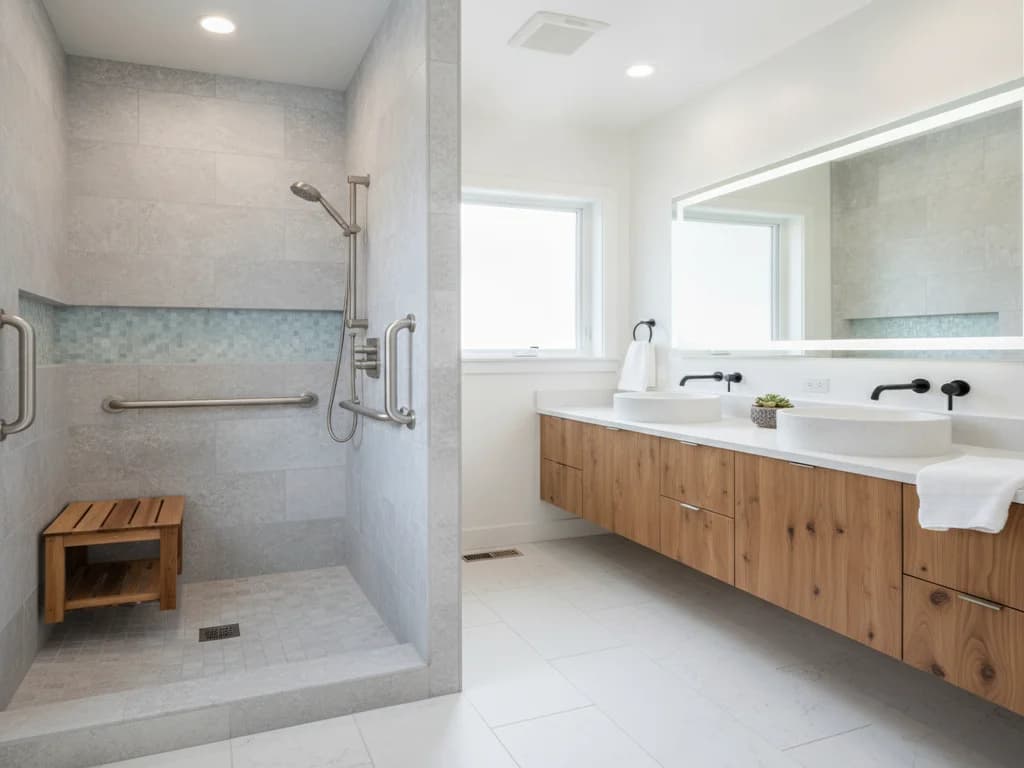
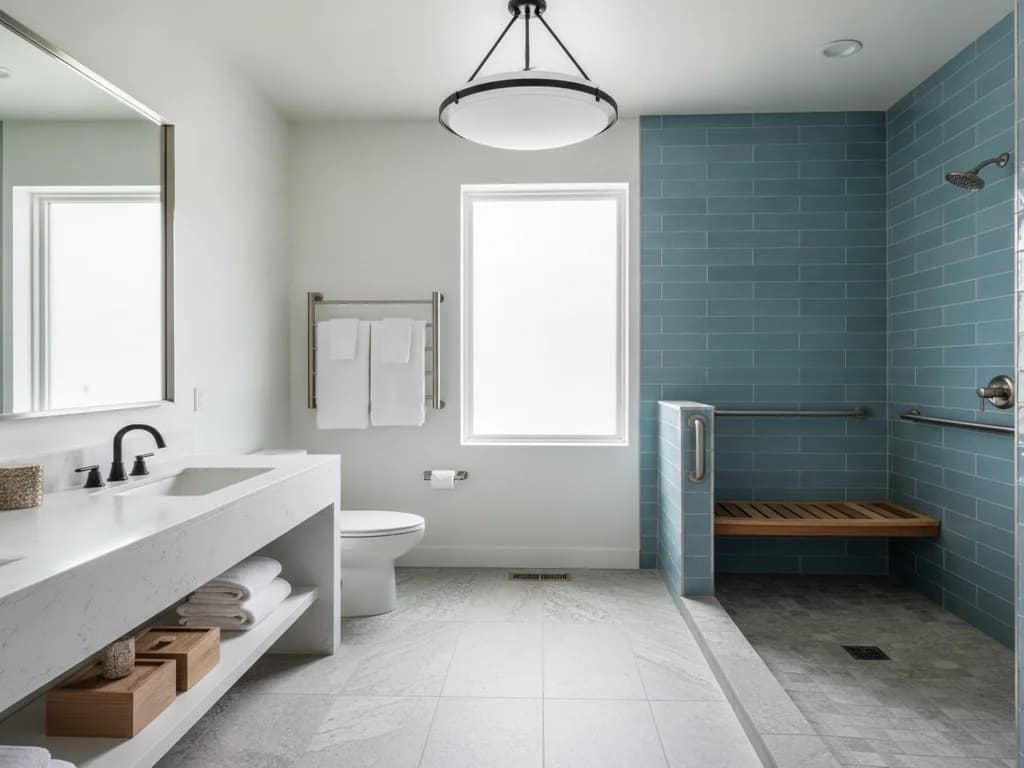
- For many households, a curbless walk-in shower with a bench delivers the same fall-prevention benefit with none of the wait-time trade-offs.
- The best candidates are dedicated bathers with limited mobility who will use the tub several times a week — not occasional users buying "just in case."
The honest verdict on walk-in tubs
Walk-in tubs exist because of a genuine hazard. The CDC reports that more than one in four adults 65 and older falls each year, and falls are the leading cause of injury in that age group — with the bathroom among the most dangerous rooms in the house. Climbing over a standard 14–20 inch tub wall on a wet surface, often on one leg, is exactly the movement a walk-in tub eliminates.
So the category is not a gimmick. For the right person — someone with limited mobility who genuinely loves baths and will use the tub regularly — a walk-in tub can restore an ability they had lost and remove real risk while doing it.
It is also one of the most aggressively marketed products in home improvement, and the trade-offs are consistently undersold. You sit in the tub while it fills and drains. The door seal is a maintenance item with real consequences when it fails. And the installed price is high enough that alternatives deserve a fair hearing. This article gives you both halves; if you are weighing the main alternative, our walk-in tub vs. walk-in shower comparison settles that question directly.
How a walk-in tub actually works
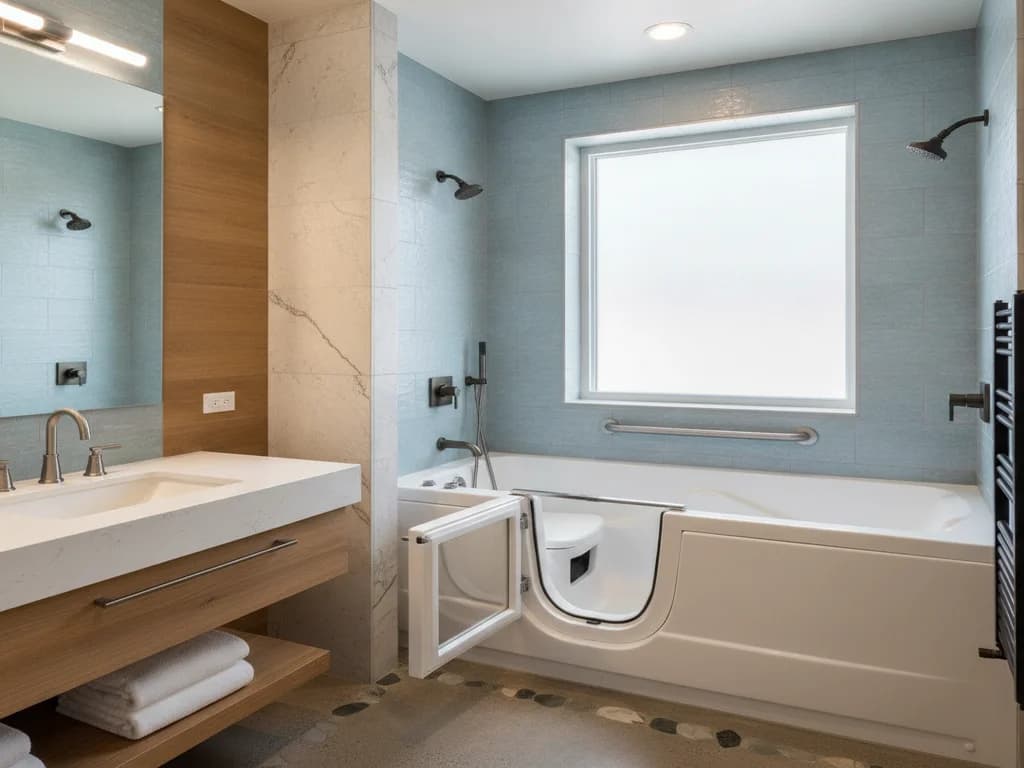
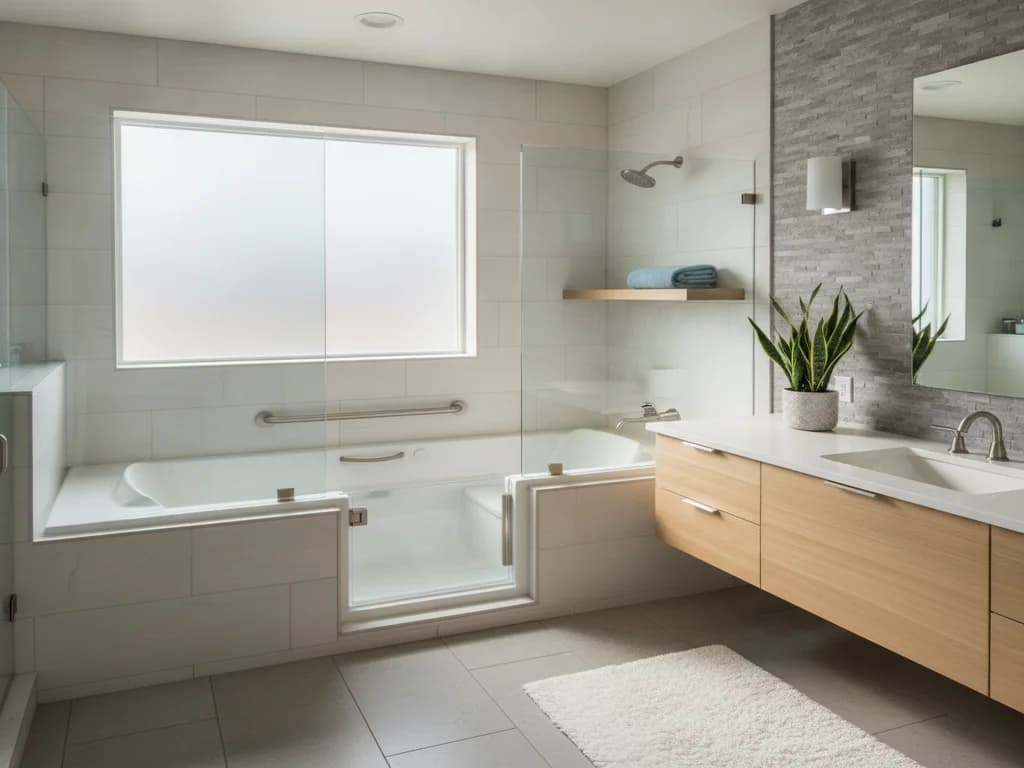
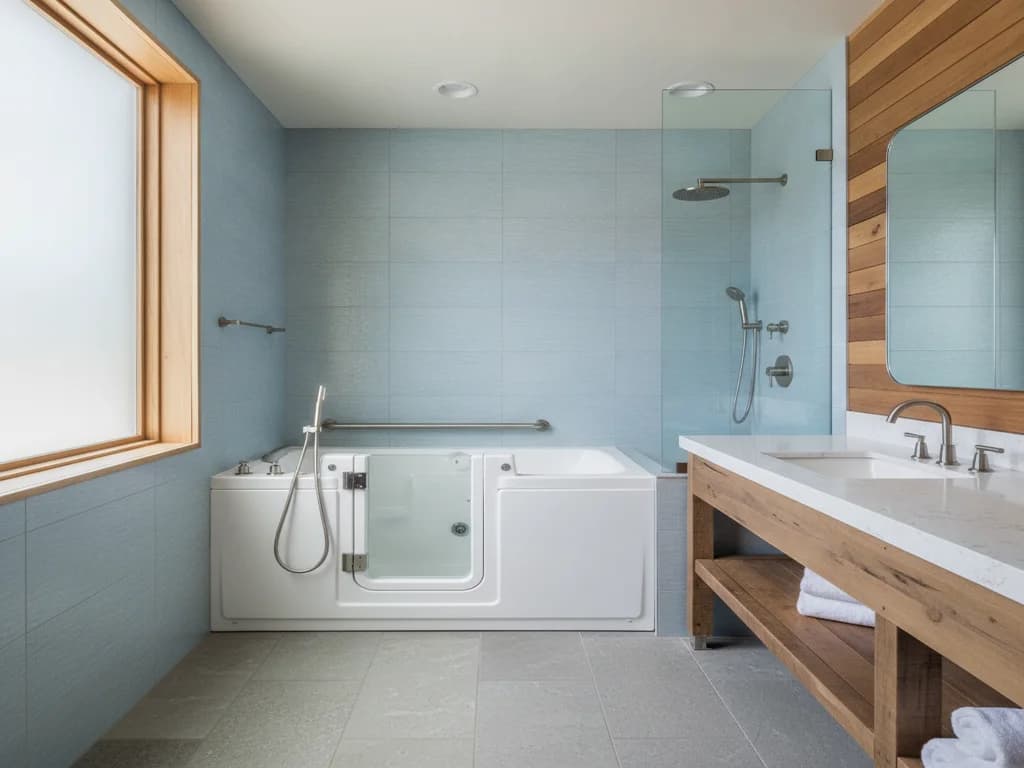
A walk-in tub is a tall, short-footprint tub — usually 36–48 inches high with a built-in contoured seat — with a watertight door in the side. You open the door, step over a low threshold (typically 3–6 inches instead of the 15 or so on a standard alcove tub), sit down, close and latch the door, and then fill the tub around you.
Most units fit the same 60-inch alcove a standard tub occupies, which is why replacing a bathtub with a walk-in tub is usually a one-to-one swap rather than a full remodel. The mechanical package varies by model: fast-fill faucets, dual drains, heated seats, air or water jets, and handheld shower wands are all common options.
The door is the defining feature and the defining constraint. Because it is in the side of the tub, it can only open when the tub is empty — which drives most of the honest cons below.
The pros: what walk-in tubs genuinely deliver
The case for a walk-in tub is strongest when you state it plainly:
- Fall-risk reduction where it matters most. The low step-in threshold, built-in seat, factory grab bars, and textured floor address the exact movements the CDC identifies as high-risk for older adults — no climbing, no lowering yourself to the tub floor, no standing back up from it.
- Bathing stays possible. For people with arthritis, limited hip or knee mobility, or balance issues, a walk-in tub can be the difference between bathing independently and needing assistance — a dignity benefit AARP consistently highlights in its aging-in-place guidance.
- Seated, chest-deep soaking. Because the tub is tall and you sit upright, water depth over your torso is often deeper than in a standard tub — genuinely good for soaking sore joints.
- Therapy options. Water jets, air jets, and heated seats are available on most lines, and for daily bathers with chronic pain those features get real use.
- Fits the existing alcove. Most installations reuse the standard 60-inch tub space, so the project is a fixture swap plus plumbing and electrical — disruptive for days, not weeks.
- Caregiver-friendly. The door, seat, and handheld wand make assisted bathing far easier and safer for the person helping, not just the person bathing.
The cons: what the brochures undersell
Now the half you rarely hear in a sales presentation. None of these are dealbreakers for the right buyer — but every one of them surprises people after installation:
- You wait in the tub while it fills — and again while it drains. The door cannot open against water, so you sit, wet and undressed, through both. Fast-fill faucets and dual drains shorten the wait, but a comfortable bathroom temperature and a heated seat go from luxury to necessity.
- The door seal is a wear item. Gaskets compress, age, and collect grit. A maintained seal is reliable; a neglected one can weep — and because the tub holds water above floor level, a real failure puts a lot of water where you least want it.
- Cost is substantial. Walk-in tubs are among the most expensive tub options installed — commonly a five-figure project once the unit, plumbing, and electrical work are counted, per HomeAdvisor — and Medicare generally does not cover them. The full budget picture lives in our walk-in tub cost guide.
- Water and water-heater demands. Filling a deep tub chest-high takes a lot of hot water, and many households need to verify their water heater can deliver it — otherwise the soak ends lukewarm.
- Resale is a coin flip. To the right buyer a walk-in tub is a selling point; to most buyers it reads as a specialized fixture they plan to remove. Do not count on recouping the cost.
- It only helps if it gets used. An occasional bather who buys one "just in case" ends up with an expensive seat in a tub that mostly runs as an awkward shower.
The one question that decides it
Will you actually take baths several times a week? If yes, the trade-offs are worth living with and a walk-in tub earns its cost. If your honest answer is "occasionally," a curbless walk-in shower with a fold-down bench delivers the same fall protection, none of the wait time, and broader resale appeal.
Who a walk-in tub is right for
Choose a walk-in tub with confidence when most of these are true:
- You (or the person you are remodeling for) genuinely love baths and will use the tub several times a week — for soaking, therapy, or both.
- Getting over a standard tub wall is already difficult, frightening, or has caused a close call. That is the exact problem this fixture solves.
- A caregiver assists with bathing. The door and seat transform that task for both people.
- You are staying in the home long-term, so the cost amortizes over years of daily use rather than depending on resale.
- Chronic joint or muscle pain responds to warm-water soaking — the jetted and heated options stop being upsells and start being the point.
Who should skip it — and what to do instead
Skip the walk-in tub if bathing is occasional, if the wait-while-filling reality sounds intolerable, or if the budget strains to reach it. The strongest alternative for fall prevention is a curbless walk-in shower with a fold-down bench, grab bars, a handheld wand, and non-slip flooring — it addresses the same CDC-documented risks with zero entry threshold and no wait time, and it is the configuration most aging-in-place remodels land on.
If you are torn between the two, the decision usually comes down to one thing: whether soaking is essential. Our walk-in tub vs. walk-in shower guide walks through that choice, and our broader aging-in-place bathroom ideas covers the grab-bar, lighting, and flooring upgrades that matter regardless of which fixture you pick.
One caution either way: this is not a fixture to buy from a high-pressure in-home sales pitch. Same-day-discount tactics are common in this category. Get the quote in writing, compare at least two options, and make sure the installer — not just the tub brand — is licensed and accountable for the plumbing and electrical work.
What installation actually involves
A walk-in tub swap is more than sliding a new unit into the alcove. The old tub comes out, the drain is usually relocated or adapted to the new tub’s position, supply lines are extended to a deck-mounted fast-fill faucet, and jetted or heated models need a dedicated GFCI-protected electrical circuit — an electrician’s task and a permit item in Boise and most Treasure Valley cities.
The surround also matters: because a walk-in tub is used with a handheld wand while seated, the walls around it still need proper waterproof surround treatment, and the floor transition should be finished with fall safety in mind. A remodeler bidding the whole scope — tub, electrical, surround, flooring — protects you from the finger-pointing that happens when a tub dealer’s subcontractor stops at the tub flange. The step-by-step of the project is covered in replacing a bathtub with a walk-in tub.
Ready to plan your Boise bathroom?
Licensed & insured · 3-year workmanship warranty
Frequently asked questions
- Do you have to sit in a walk-in tub while it fills?
- Yes. The door is in the side of the tub and cannot open against water, so you enter first, close the door, and then fill — and you wait again while it drains before exiting. Fast-fill faucets and dual quick-drains cut the wait substantially, and a heated seat makes it comfortable, but the sit-and-wait is inherent to the design.
- Do walk-in tubs leak?
- A properly installed walk-in tub with a maintained door gasket should not leak. The seal is a wear item, though: gaskets age and collect grit, and a degraded seal can weep or fail. Wiping the gasket clean, closing the door gently, and replacing the seal when the manufacturer recommends it are the whole maintenance program — and worth taking seriously.
- Are walk-in tubs covered by Medicare?
- Generally no. Original Medicare does not classify walk-in tubs as durable medical equipment, so they are typically an out-of-pocket purchase. Some Medicare Advantage plans, state Medicaid waivers, and veterans’ programs offer partial help in specific circumstances — worth checking, but plan your budget assuming no coverage.
- Is a walk-in tub or a walk-in shower better for seniors?
- It depends on one question: is soaking essential? A walk-in tub is better for dedicated bathers who need warm-water therapy and a seated, secure soak. A curbless walk-in shower with a bench and grab bars is better for everyone else — same fall protection, no waiting in a filling tub, easier caregiver access, and broader resale appeal. Our walk-in tub vs. walk-in shower guide covers the full decision.
- How much does a walk-in tub cost installed?
- Walk-in tubs are among the priciest tub options — commonly a five-figure project once the unit, plumbing changes, and the dedicated electrical circuit for jetted models are counted, per HomeAdvisor cost data. Pricing varies widely by features and installer, which is exactly why we cover it separately in our walk-in tub cost guide.
- Do walk-in tubs use more hot water than regular tubs?
- Often yes. Because you sit upright and the water rises chest-high, a walk-in tub can demand more hot water per bath than a standard tub — and it needs it in one continuous fill. Before buying, check your water heater’s capacity against the tub’s fill volume; an undersized heater is a common source of post-install disappointment.
Sources
- National Fire Protection Association (NEC)
- CDC — Older Adult Fall Prevention
- AARP — Livable Communities / HomeFit
- HomeAdvisor — True Cost Guide
- Consumer Reports
Claims and figures are drawn from the sources above and provided for general guidance; your project may vary. Photography is illustrative of design concepts. For a fixed price on your specific bathroom, request a free estimate.