Updated September 9, 2026 · 7 min read
By Boise Bath — bathroom & shower remodeling in Boise & the Treasure Valley
The short answer
Jetted tubs are worth it for people who actually take baths several times a week and will keep up with jet-line flushing. For everyone else they are an expensive, rarely used feature: the plumbing harbors biofilm without regular cleaning, motors add noise and repair risk, and a good soaking tub delivers most of the relaxation at lower cost.
Key takeaways
- The honest usage test: most jetted tubs get heavy use for the first few months, then sit idle — buy one only if baths are already a several-times-a-week habit.
- Whirlpool (water-jet) tubs recirculate bathwater through internal plumbing that develops biofilm unless flushed regularly — the black flecks in the first jet blast are the tell.
- Air-jet tubs avoid most of the biofilm problem and run quieter, at the cost of a gentler massage.
- Pumps, motors, and heaters are mechanical parts in a wet environment: they add noise, need a dedicated electrical circuit, and eventually need repair.
- A quality soaking tub delivers most of the warm-water relaxation with zero moving parts, no flushing routine, and a lower installed price.
- If you inherited a dated jetted tub you never use, replacing it is one of the highest-impact swaps in a bathroom remodel.
The honest verdict on jetted tubs
A jetted tub is a genuinely pleasant thing to sit in. Warm water plus massage jets on a sore back after a long day is not marketing fiction — it works, and people who use theirs weekly tend to love them without reservation.
The problem is the gap between how people imagine using a jetted tub and how they actually do. The pattern remodelers see over and over: heavy use the first few months, tapering to holidays, tapering to never — while the tub keeps demanding its share of the maintenance routine and the utility bill. It is telling that one of the most common requests in bathroom remodeling is removing a jetted tub that came with the house and has run a handful of times in a decade.
So the question is less "are jetted tubs good?" than "are you the person they are good for?" This article covers the real pros, the maintenance reality the showroom never mentions, and the honest alternatives — including the soaking tub vs. jetted tub decision, which is the fork in the road for most buyers.
Whirlpool vs. air-jet: they are not the same tub
"Jetted tub" covers two different technologies, and the differences drive most of the pros and cons below. Whirlpool tubs pull bathwater through internal plumbing and push it back out through directional jets — a strong, targeted massage. Air-jet tubs blow warm air through dozens of small floor and wall openings — a gentler, all-over effervescence. Some premium lines combine both.
| Factor | Whirlpool (water jets) | Air-jet |
|---|---|---|
| Massage feel | Strong, targeted, adjustable | Gentle, bubbly, all-over |
| Internal plumbing holds bathwater | Yes — biofilm risk without flushing | Minimal — lines are air-only and many self-purge |
| Cleaning routine | Regular jet-line flushes required | Light; occasional cycle after use |
| Noise | Noticeable pump hum | Blower hum, usually quieter |
| Bath products | No oils or salts (clog and foul lines) | Most products fine |
| Water cooling | Recirculated water holds heat | Blown air cools the water faster |
Feature sets vary by manufacturer — verify specifics on the model spec sheet, per Kohler product documentation.
The pros: what a jetted tub genuinely delivers
- Real hydrotherapy. Warm water plus jet massage helps many people with sore muscles, arthritis stiffness, and post-workout recovery — this is the core promise and it is genuine for regular users.
- A better soak than a shower can offer. For dedicated bath people, jets turn a nightly ritual into the best 30 minutes of the day, and that daily-life value is worth paying for.
- Modern options fixed old flaws. Inline heaters keep water warm through a long soak, quieter pumps tamed the jet-engine hum of 1990s units, and air-jet designs sidestep most of the cleaning burden.
- Fits standard spaces. Jetted models come in common alcove and drop-in sizes, so adding jets does not necessarily mean rebuilding the bathroom around a bigger tub.
- A possible plus at resale — in the right room. In a large primary bath in a mid-to-upper-tier home, a clean, current jetted tub reads as a luxury amenity. (A dated almond-colored whirlpool from 1994 reads as a demolition line item.)
The cons: the maintenance and usage reality
Here is the half the showroom does not cover, and it is where most jetted-tub regret comes from:
- Whirlpool plumbing harbors biofilm. Bathwater — with its soap, skin oils, and bacteria — sits in the internal lines between uses. Without regular flushing, the lines grow a biofilm that announces itself as gray or black flecks in the first blast of jets. Manufacturers like Kohler publish flush procedures for a reason: this is expected maintenance, not a defect.
- The cleaning routine is forever. A typical flush means filling the tub above the jets with hot water and a cleaning agent, running the jets, draining, refilling, and rinsing — monthly or so for regular users. Skip it for a year and the first flush is genuinely unpleasant.
- Motors and pumps are repair items. A jetted tub is an appliance: pump seals wear, motors fail, and access panels are sometimes tiled over by the previous remodeler — turning a simple pump swap into demolition.
- It needs a dedicated GFCI circuit. The pump and heater require dedicated, GFCI-protected electrical service — an electrician and a permit item on installation, and a common code surprise when buyers inspect older homes.
- Operating costs are real. Filling a large tub takes a big draw of hot water, and pump plus inline heater add electrical load — no single scary number, just a fixture that costs money every time it runs.
- Bath products are restricted in whirlpools. Oils, salts, and most bubble baths foul water-jet lines. If your idea of a bath involves epsom salts and eucalyptus oil, a whirlpool actively fights you — air-jet and soaking tubs do not.
- The usage curve. The pattern is consistent enough to plan around: heavy use early, then the jets go quiet while the maintenance obligation stays. Consumer Reports and remodeler experience agree — features you use weekly are worth buying; features you use twice a year are not.
The pre-purchase honesty test
Count your baths last month. If the answer is four or more, a jetted tub will get used and is worth considering seriously. If the answer is zero or one, no tub purchase will change that habit — put the money into a great shower and, if you want a tub at all, a simple soaker.
Who actually gets their money’s worth
- Habitual bathers — people for whom baths are already a several-times-a-week routine. Jets upgrade an existing habit; they rarely create one.
- People with chronic muscle or joint pain who respond to warm-water massage and will use hydrotherapy consistently.
- Households willing to run the flush routine (whirlpool) or choosing air-jet specifically to minimize it.
- Larger primary bathrooms where the tub is a genuine centerpiece and the electrical and access-panel work can be done right during a remodel.
The alternatives most people should consider first
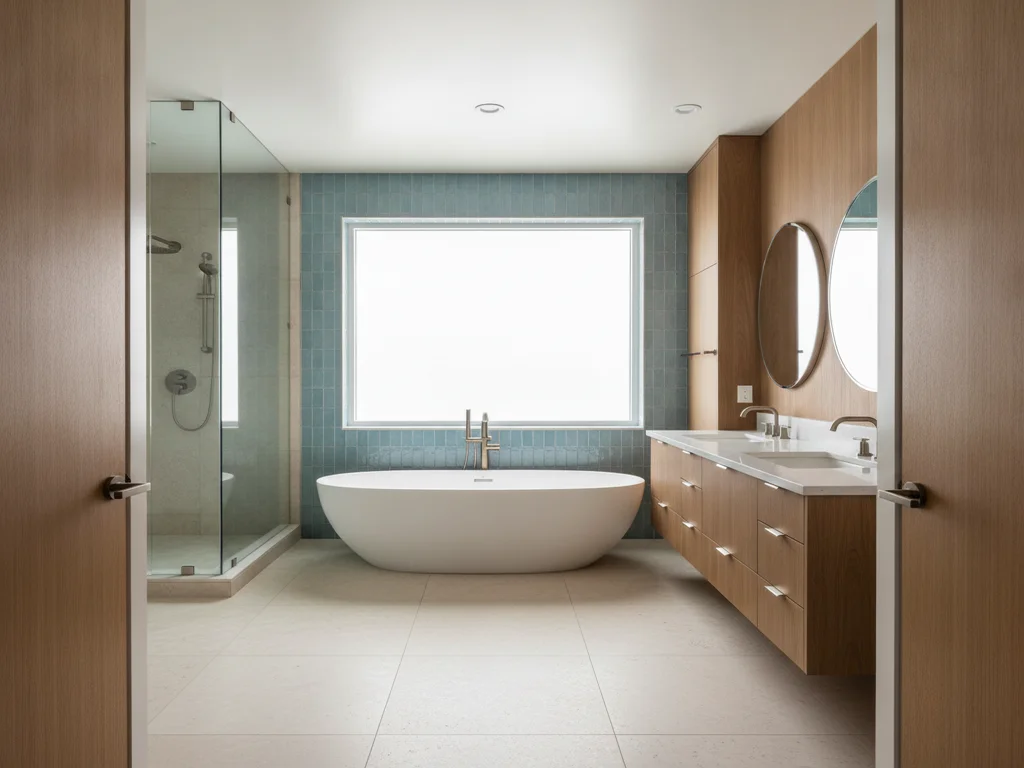
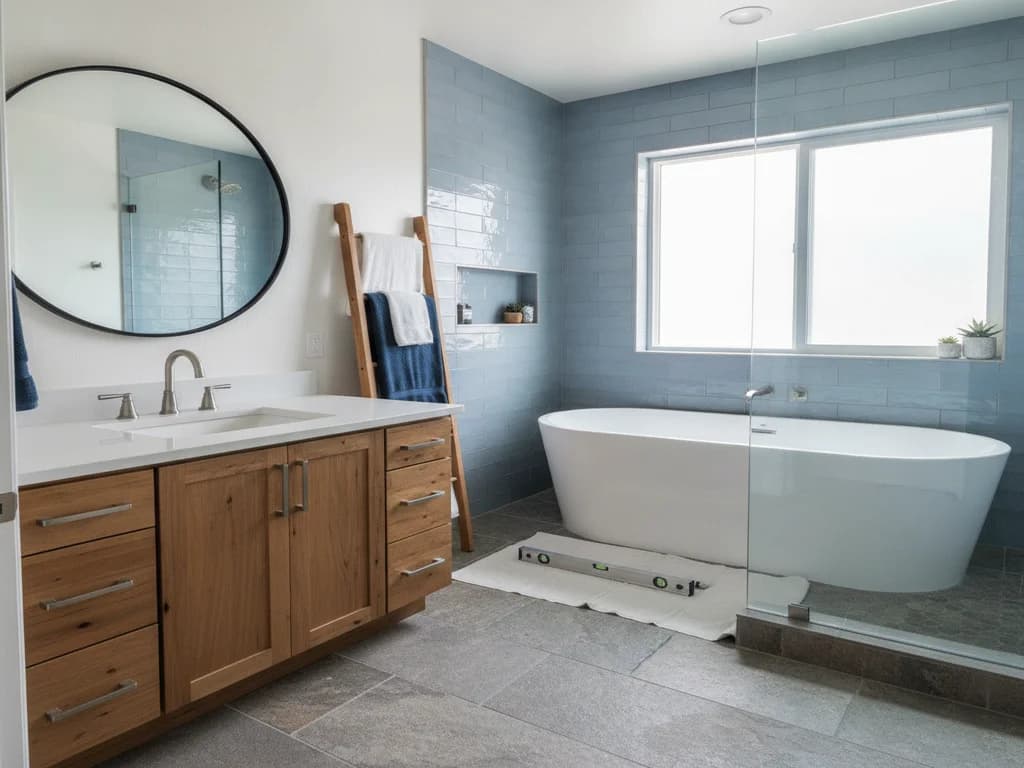
For most buyers weighing a jetted tub, the honest comparison is a quality soaking tub: deep, well-shaped, zero moving parts, no flushing routine, any bath product you like, and a lower installed cost — whirlpool and air tubs commonly run several hundred to several thousand dollars more than comparable soakers before the electrical work, per HomeAdvisor cost data. Most of what people love about a jetted tub is the warm water, and a soaker delivers that part completely. The full head-to-head lives in our soaking tub vs. jetted tub guide.
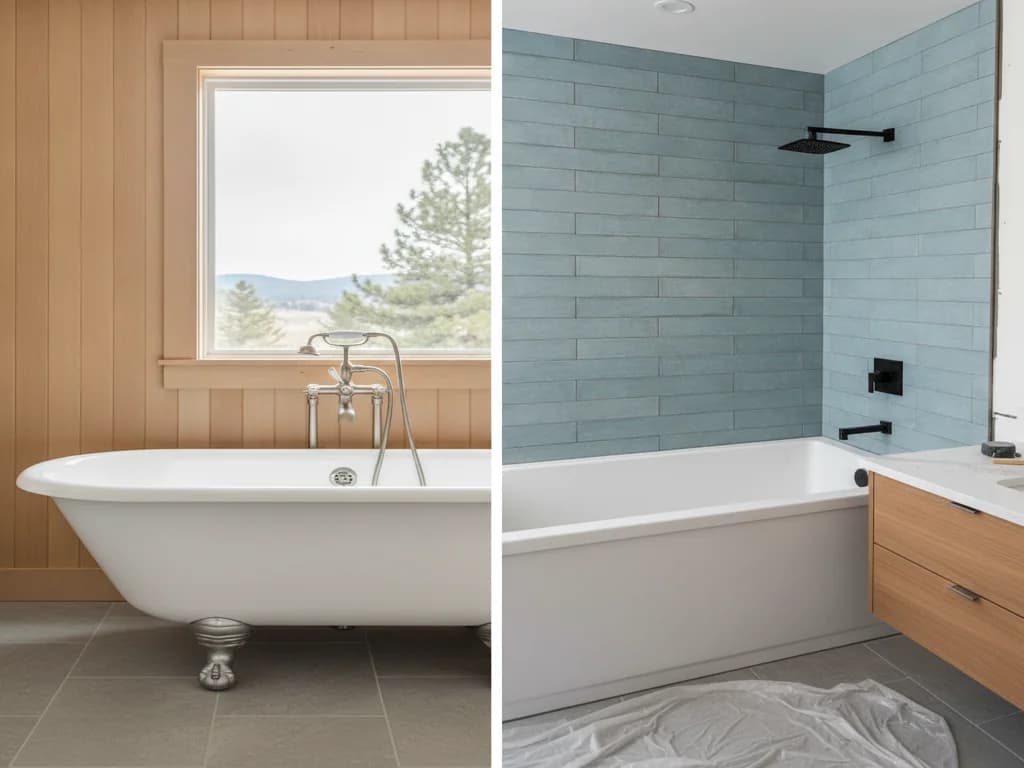
If you are reading this because your house came with a jetted tub you never use, you have a different decision: keep feeding it, or reclaim the space. Swapping a dated jetted unit for a soaker, a walk-in shower, or storage is one of the highest-impact moves in a bathroom remodel — replacing a jetted tub covers what that project involves, and replacing a bathtub covers the broader swap options.
And if the tub itself is fine but tired-looking, weigh refinishing against replacement before committing either way.
If you buy one, buy it right
Three decisions determine whether a jetted tub ages well. First, choose the jet type for your maintenance tolerance, not the showroom demo — air-jet for low upkeep, whirlpool only if the strong massage is the point and you will flush the lines. Second, insist on a real access panel to the pump and heater; a tub whose motor can only be reached through demolition is a future repair bill with a tile bill attached.
Third, have the electrical done properly — dedicated GFCI-protected circuits, permitted and inspected. In Boise and the surrounding Treasure Valley cities this is standard permit scope, and it is exactly the kind of detail that separates a remodel that appraises cleanly from one that surfaces problems at the next home inspection. This Old House’s coverage of whirlpool installs makes the same point: the tub is the easy part; the infrastructure around it is where quality shows.
Ready to plan your Boise bathroom?
Licensed & insured · 3-year workmanship warranty
Frequently asked questions
- Why do black flecks come out of my jetted tub jets?
- That is biofilm — a bacterial film that grows in whirlpool plumbing where bathwater sits between uses. It is common in tubs that have not been flushed regularly, and it is the main maintenance burden of water-jet tubs. A few purge cycles with hot water and a jet-line cleaner, repeated until the water runs clean, clears it; a monthly-ish flush keeps it from returning.
- Are jetted tubs hard to maintain?
- Whirlpool (water-jet) tubs require a real routine: regular jet-line flushes, restraint with bath oils and salts, and eventual pump or heater service. Air-jet tubs are much lighter — the lines carry air rather than bathwater, and many models self-purge after draining. If low maintenance is a priority, choose air-jet or skip jets entirely for a soaking tub.
- Do jetted tubs add value to a home?
- Only situationally. A current, clean jetted tub in a spacious primary bath can read as a luxury amenity in mid-to-upper-tier homes. A dated whirlpool — the 1990s garden-tub era units common in Treasure Valley homes of that vintage — usually reads as a removal cost to buyers. No tub feature reliably recoups its cost; buy for use, not resale.
- Is a jetted tub or soaking tub better?
- A soaking tub is the better default: no moving parts, no flushing routine, any bath products you like, and lower installed cost — and it delivers the warm-water relaxation that is most of a bath’s appeal. A jetted tub wins only when targeted massage is the specific goal and you will use it regularly. Our soaking tub vs. jetted tub guide runs the full comparison.
- What does it cost to run a jetted tub?
- There is no scary single number — the costs are a large hot-water draw each fill plus the electrical load of the pump and inline heater during the soak. The bigger financial factors are up front: jetted models commonly cost several hundred to several thousand dollars more than comparable soaking tubs before the dedicated electrical circuit is added, per HomeAdvisor.
- Can I remove a jetted tub I never use?
- Yes, and it is a common remodel request. The project involves disconnecting the pump’s electrical circuit, removing the unit and its plumbing, and rebuilding the space for whatever replaces it — a soaking tub, a walk-in shower, or storage. Because dated jetted tubs usually sit in oversized tiled decks, the swap often frees surprising floor space. See our guide to replacing a jetted tub.
Sources
- National Fire Protection Association (NEC)
- Consumer Reports
- HomeAdvisor — True Cost Guide
- Kohler
- This Old House — Bathrooms
Claims and figures are drawn from the sources above and provided for general guidance; your project may vary. Photography is illustrative of design concepts. For a fixed price on your specific bathroom, request a free estimate.