Updated July 6, 2026 · 8 min read
By Boise Bath — bathroom & shower remodeling in Boise & the Treasure Valley
The short answer
A soaking tub is a deep basin built purely for a long hot soak, with no motor or jets to maintain. A jetted tub adds a pump and plumbing loop that Bob Vila says needs monthly cleaning to prevent mold, bacteria, and biofilm buildup. Soaking tubs also cost less to install and stay the simpler, more resale-friendly choice.
Key takeaways
- Bob Vila's cleaning guide notes a jetted tub's internal plumbing collects "a mixture of bacteria, mold, mildew, oil, soap, and other gunk" and recommends a full jet-flush cycle about once a month with frequent use, or four times a year with occasional use.
- A soaking tub has no pump, motor, or jet lines — there is simply nothing in its construction for buildup to collect in, which is the entire maintenance difference in one sentence.
- This Old House prices a basic acrylic jetted tub at $1,500–$3,000 in materials plus $1,000–$3,000 in labor; Fixr's fully installed range for jetted/whirlpool tubs runs $7,000–$15,000, against $1,400–$12,000 for a soaking tub.
- This Old House describes freestanding tubs — the format most soaking tubs take — as "among the most popular types of tubs" for their look, while NerdWallet's 2025 Cost vs. Value data shows mid-range bathroom remodels can recoup up to 80% of cost at resale.
- This Old House's own soaking-tub spec calls for at least 14 inches of water depth, versus roughly 12 inches in a standard tub — the soak itself is deeper, jets or not.
The core trade-off, up front
Both tubs solve the same problem — a place to soak — but a jetted tub adds a mechanical system a soaking tub simply doesn't have: a pump, a network of water lines running behind the tub shell, and nozzles that need to be flushed clean on a schedule. That one difference in construction is what drives almost everything else in this comparison — cost, upkeep, and how each one ages in a bathroom.
This isn't a "which feels nicer" argument — both can feel great in the moment. It's a "what does owning this actually involve" argument, and the honest answer leans hard toward the simpler option for most households.
Quick take
If you want the soak and nothing else to think about, a soaking tub gets you there with almost no ongoing maintenance. If you specifically want hydrotherapy jets, budget real time each month for cleaning the plumbing behind them — it is not optional upkeep, it is required upkeep.
Quick comparison
The core facts side by side, each tied to its source.
| Factor | Soaking tub | Jetted tub |
|---|---|---|
| Moving parts | None — basin, filler, drain | Pump, motor, jet nozzles, plumbing loop (Bob Vila) |
| Cleaning routine | Wipe the basin after use | Monthly jet-flush cycle recommended (Bob Vila) |
| Typical installed cost | $1,400–$12,000 (Fixr) | $7,000–$15,000 (Fixr); basic acrylic model $1,500–$3,000 + labor (This Old House) |
| Water depth | At least 14 in. (This Old House) | Varies by model, often similar depth |
| Electrical needs | None, typically | Dedicated circuit for the pump, often a subpanel upgrade (This Old House) |
| Popularity/format | Freestanding format called "among the most popular" (This Old House) | Usually built-in/alcove for pump access |
What a jetted tub actually requires to stay clean
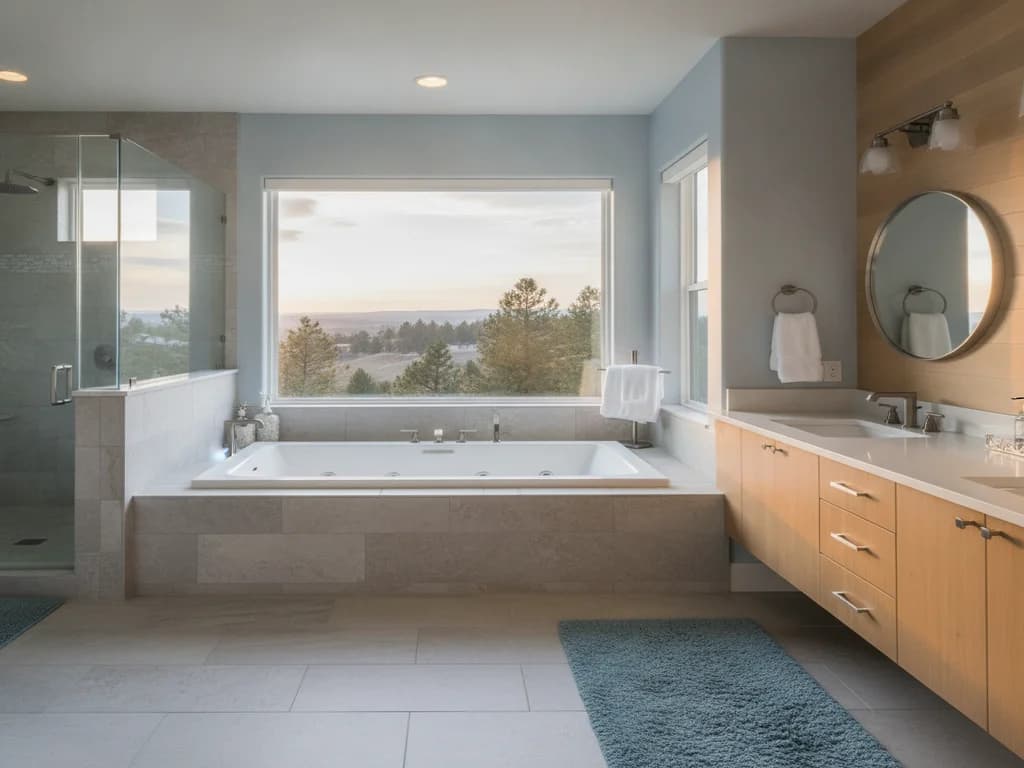
This is the part that rarely makes it into the showroom pitch. Bob Vila's cleaning guide is direct about what accumulates inside a jetted tub's plumbing over time: "oil, bacteria, mold, and mildew can collect in the jets" and release back into the water the next time the tub is filled and the jets switched on. The internal lines can build what the guide describes as a biofilm — a sticky mix of bacteria, mold, mildew, oil, and soap residue that plain rinsing never touches, because it lives inside the pipe, not on the visible surface.
The fix is a specific, recurring process, not a one-time deep clean. Bob Vila's routine: fill the tub with hot water above the jet line, add roughly 2 cups of white vinegar (an acidic cleaner that breaks down buildup), run the jets on high for 10 to 15 minutes to flush the lines, then repeat with fresh water. After that, hand-scrub the visible jet nozzles and trim with a dedicated toothbrush and baking soda, using dental floss to dislodge anything stuck in the nozzle openings themselves. Bob Vila is candid that this whole process "is not a quick and easy process," citing the "many nooks, crannies, and hard-to-reach crevices" a jet system creates.
How often does this need to happen? Per the same guide, a tub used frequently should get this full cycle about once a month; occasional use can stretch that to roughly four times a year. Either way, it is a standing item on the household maintenance list for as long as the tub is in the house — not a chore you do once during a remodel and forget.
Why a soaking tub stays this simple
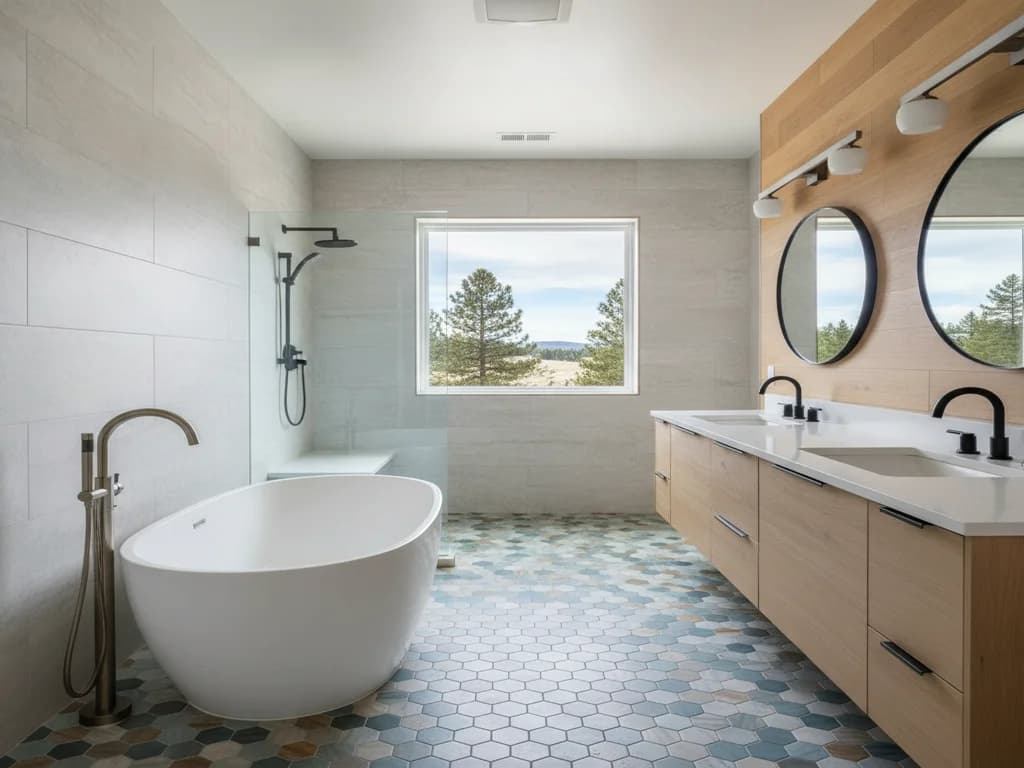
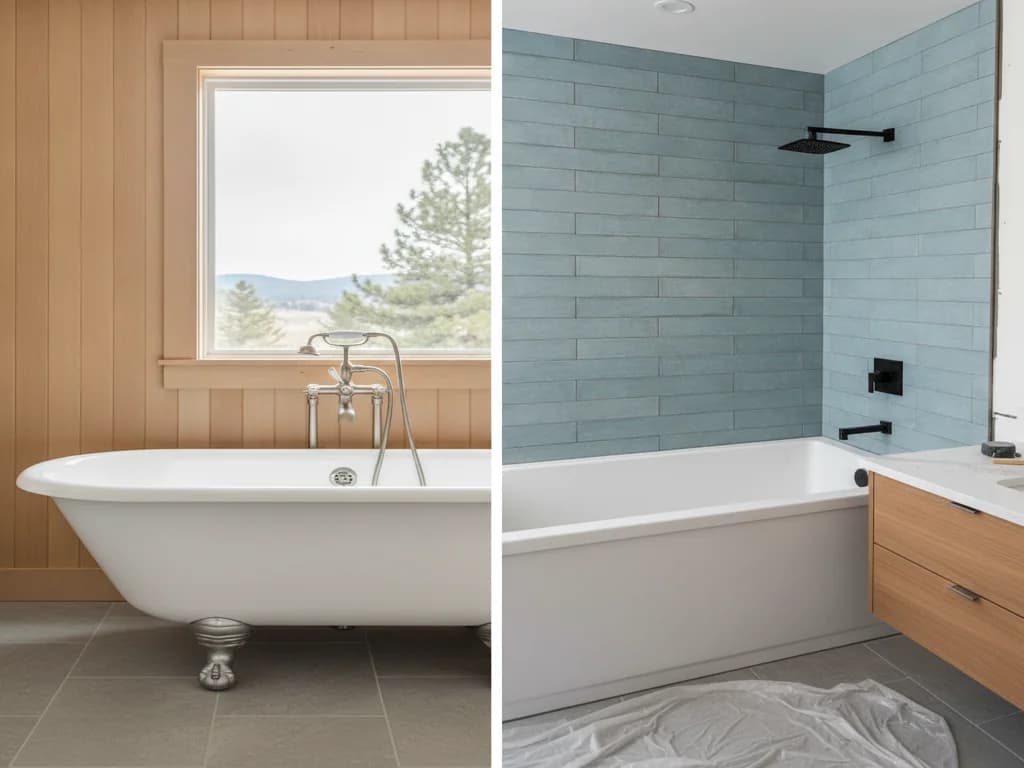
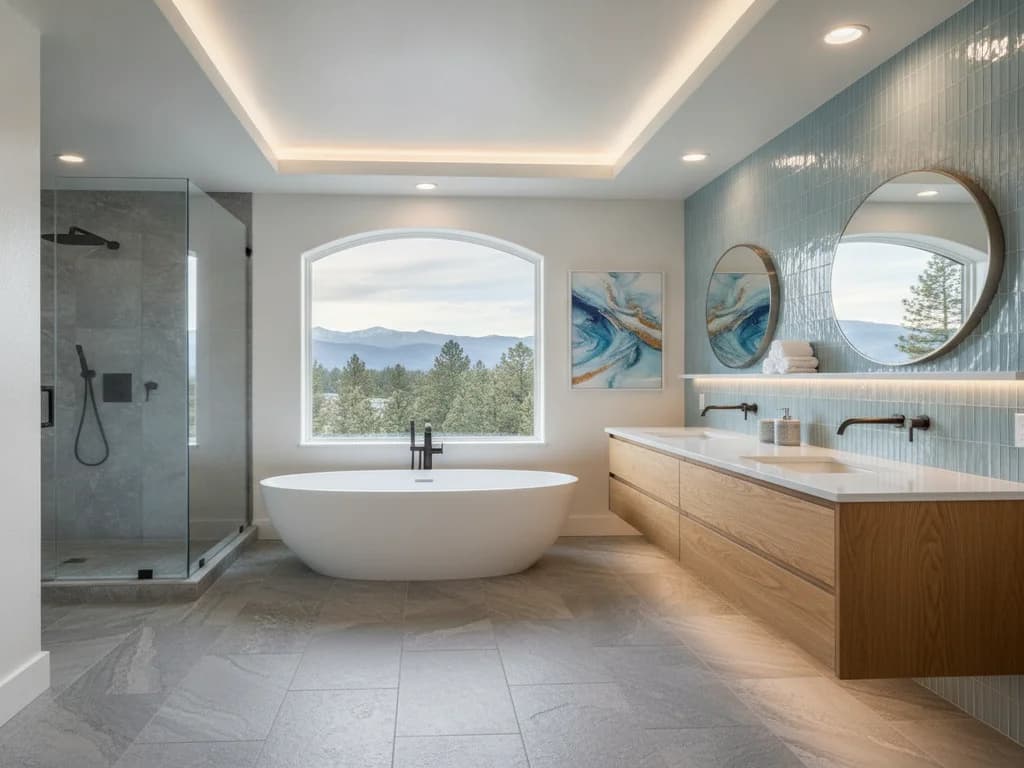
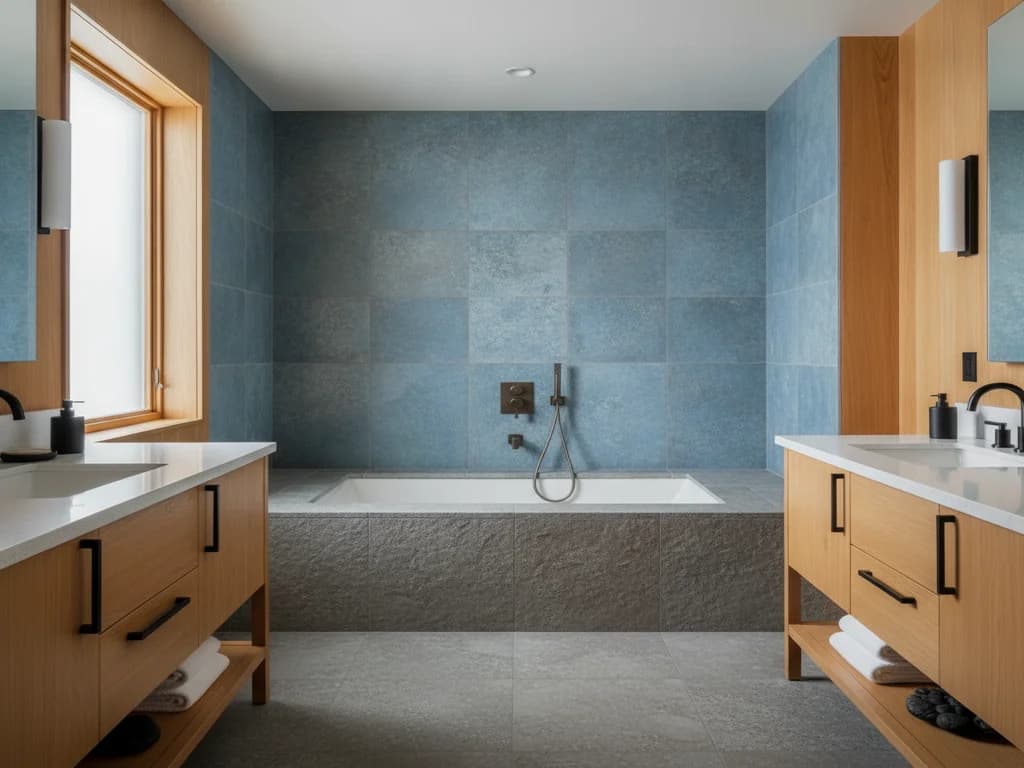
A soaking tub has no pump, no motor, no jet nozzles, and no internal plumbing loop — which means there is nothing inside it for oil, soap film, or biofilm to collect in. The only surfaces that ever touch water are the ones you can see and wipe down directly. Maintenance is limited to what any bathtub needs: rinsing the surface after use and an occasional deeper clean of the material itself, with no jet-specific flush cycle ever required.
This Old House's bathtub spec for the category is simple: a soaking tub should offer at least 14 inches of water depth for a proper full-body soak, compared to roughly 12 inches in a standard tub. That extra depth is the entire value proposition — more of your body submerged, more heat retained, a longer comfortable soak — delivered without a single moving part to maintain.
What each one costs to install
This Old House prices a basic acrylic jetted tub at $1,500–$3,000 in materials, a mid-range whirlpool at $3,000–$5,000, and a combination air-and-water system at $5,500–$10,000 — plus $1,000–$3,000 in labor. Jetted tubs also carry a real electrical dependency: plumbing and electrical upgrades commonly run $800–$2,300, and a home without adequate service may need a subpanel ($500–$1,000) or a full 200-amp upgrade ($2,000–$5,000) to safely power the pump.
Fixr's fully installed figures tell a similar story: a soaking tub averages $1,400–$12,000 installed, while a jetted/whirlpool tub runs $7,000–$15,000. The gap holds regardless of source — a jetted tub's pump, wiring, and often floor reinforcement (This Old House flags this for whirlpool weight) put real dollars between the two before either is filled with water for the first time.
Resale: what actually shows up in the data
This Old House describes freestanding tubs — the format most soaking tubs take today — as "among the most popular types of tubs due to their stylish look and versatile design," the closest thing to a buyer-appeal signal in the sourced data. NerdWallet's 2025 Cost vs. Value–based reporting adds the financial picture: a mid-range bathroom remodel can recoup up to 80% of its cost at resale.
Neither source puts a number on jetted tubs hurting resale value, so we won't manufacture one. What the facts do support is a fair inference: a soaking tub carries no maintenance burden for the next owner, while a jetted tub's pump and plumbing are a system a buyer's inspector can flag. A simpler system is, at minimum, a simpler thing to sell.
Which one should you choose?
Choose a soaking tub if you want the deep, hot soak with none of the upkeep — no monthly cleaning cycle, no dedicated electrical circuit, and a lower installed cost whether you're comparing Fixr's or This Old House's figures. It's the lower-risk pick for a master bathroom retreat that you want to enjoy rather than maintain.
Choose a jetted tub only if hydrotherapy jets are specifically what you're after, and go in with eyes open about the monthly flush routine Bob Vila describes — vinegar, baking soda, a dedicated toothbrush, and floss for the nozzles, on a schedule that doesn't end. If you're still on the fence, our honest look at whether the jets actually earn their keep goes deeper on that ownership math. If you're weighing the freestanding-vs-built-in layout question that usually comes with this decision, see our freestanding vs. built-in tub comparison, and browse freestanding tub ideas for placement and style once you've settled on soaking.
Ready to plan your Boise bathroom?
Licensed & insured · 3-year workmanship warranty
Frequently asked questions
- Is a jetted tub hard to maintain?
- Yes, relative to a soaking tub. Bob Vila's cleaning guide notes that oil, bacteria, mold, and mildew collect inside a jetted tub's plumbing over time, and recommends a full flush cycle — hot water, vinegar, running the jets 10–15 minutes, then hand-scrubbing the nozzles — about once a month with frequent use. A soaking tub has no pump or jet lines, so there is nothing comparable to clean.
- Is a soaking tub cheaper than a jetted tub?
- Generally, yes. Fixr prices a soaking tub at $1,400–$12,000 installed versus $7,000–$15,000 for a jetted/whirlpool tub. This Old House separately prices a basic acrylic jetted tub at $1,500–$3,000 in materials plus $1,000–$3,000 in labor, and notes jetted tubs often add electrical costs a soaking tub doesn't need.
- Do jetted tubs need special electrical work?
- Often, yes. This Old House notes jetted tub installations can require plumbing and electrical upgrades ($800–$2,300), and a home with insufficient electrical service may need a subpanel ($500–$1,000) or a full 200-amp upgrade ($2,000–$5,000) to safely run the pump. A soaking tub typically has no electrical requirement at all.
Sources
- Bob Vila — How to Clean a Jetted Tub
- This Old House — How Much Does a Jacuzzi Bathtub Cost? (2026)
- This Old House — Bathtub Buying Guide: Types & Materials
- Fixr — Bathtub Replacement Cost (2026)
- NerdWallet — Bathroom Remodel Cost in 2026
- NFPA — National Electrical Code (NFPA 70)
Claims and figures are drawn from the sources above and provided for general guidance; your project may vary. Photography is illustrative of design concepts. For a fixed price on your specific bathroom, request a free estimate.