Updated July 6, 2026 · 8 min read
By Boise Bath — bathroom & shower remodeling in Boise & the Treasure Valley
The short answer
Acrylic is lightweight, affordable, and easy to maintain (~$6,000 installed, per Fixr). Cast iron is the most durable, lasting decades, though it is heavy and needs floor support. Fiberglass is the lightest and cheapest but has the shortest lifespan (~10 years). Stone resin retains heat best and reads as the most luxurious, at a real cost premium.
Key takeaways
- This Old House describes acrylic as lightweight and heat-resistant, cast iron as the most durable option (some tubs last nearly 100 years, per Fixr), fiberglass as the most budget-friendly but shortest-lived, and stone resin as a heavy, non-porous, heat-retentive composite.
- Fixr's installed-cost data prices cast iron at an average of $5,000, acrylic at $6,000, fiberglass at $6,500, and the stone-and-resin composite categories (cultured marble, solid surface) at $9,000–$10,000.
- This Old House's spa-bathroom coverage notes a limestone-resin composite tub "retains heat better than acrylic and avoids the weight of cast iron" — the material's single clearest advantage for anyone who lingers in the water.
- Weight is a real installation factor, not just a spec sheet number: cast iron and stone tubs often need floor reinforcement and more labor to move into place, which is part of why Fixr's labor estimate runs 20–50% of total project cost.
- Fixr puts overall bathtub lifespan at 10–30 years depending on material and care, with cast iron at the long end (up to ~100 years for some tubs) and acrylic at the shorter end (10–20 years for some tubs).
Four materials, four different trade-offs
Nearly every bathtub sold today is made from one of four materials: acrylic, cast iron, fiberglass, or a stone-and-resin composite. Each solves the "hold water and support a body" problem differently, and that difference shows up in weight, cost, how long the tub lasts, and even how warm the water stays while you soak.
This comparison is deliberately about the material itself, not the tub's shape — for the freestanding-vs-built-in shape decision, which is a separate question, see our freestanding vs. built-in tub comparison.
The one-line version
Acrylic is the balanced default. Cast iron is the buy-it-once option if you can support the weight. Fiberglass is the budget pick for a tub-shower combo. Stone resin is the heat-retention and looks upgrade, at a real price.
Quick comparison
The factors that actually decide this for most bathtub buyers.
| Material | Weight | Avg. installed cost (Fixr) | Lifespan | Standout trait |
|---|---|---|---|---|
| Acrylic | Light | $6,000 | 10–20 yrs (some tubs, per Fixr) | Balanced, easy to maintain |
| Cast iron | Very heavy | $5,000 | Decades — some tubs nearly 100 yrs (Fixr) | Most durable |
| Fiberglass | Lightest | $6,500 | ~10 yrs (This Old House) | Most budget-friendly |
| Stone resin (cultured marble / solid surface) | Heavy | $9,000–$10,000 | Not separately reported | Best heat retention |
Fixr's cost data does not report "stone resin" as its own line item; cultured marble and solid surface are the closest cost analogues in the same composite-material family.
Acrylic: the balanced default
This Old House describes acrylic tubs as made from a lightweight, flexible plastic material that is heat-resistant and easy to maintain — a practical, no-drama choice that works for most households, including, per This Old House, homes with small children or elderly users where a lighter tub and simpler upkeep matter. Fixr prices acrylic installation at an average of $6,000.
Acrylic is also the most common material in a built-in alcove tub-shower combo, since it is light enough to handle easily and molds well into a one-piece or three-piece surround. If a rarely used acrylic or fiberglass alcove tub is the actual problem in your bathroom, a tub-to-shower conversion may be worth pricing before you replace it with another tub.
Cast iron: built to outlast the house around it
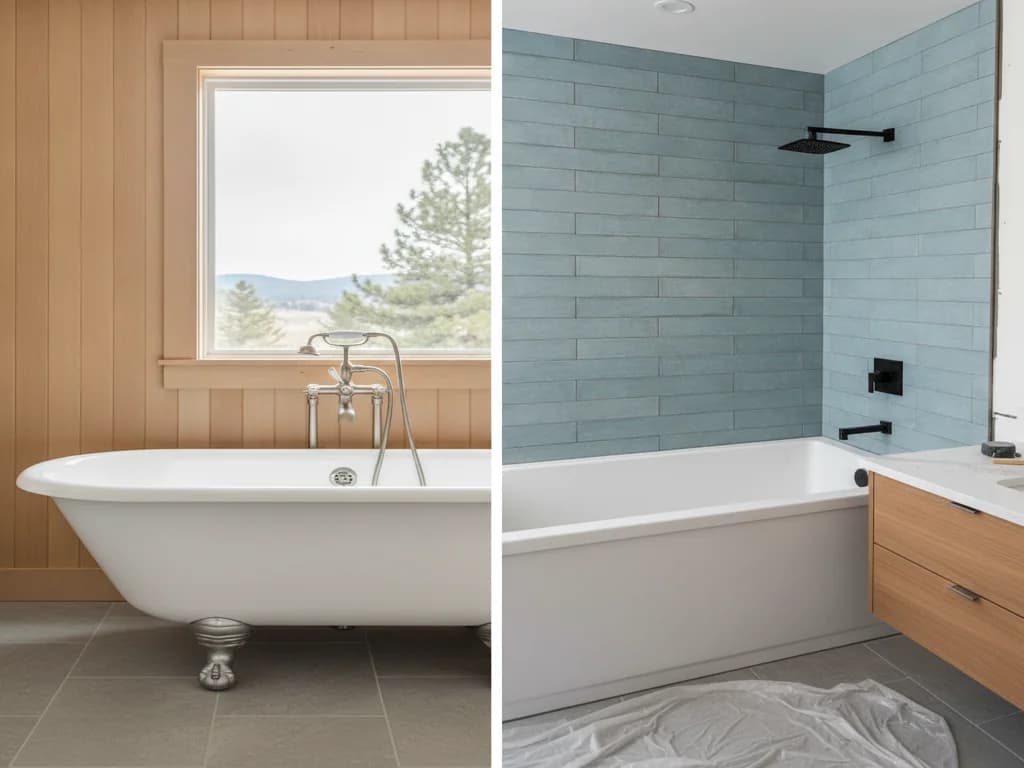
Cast iron tubs are made by pouring liquid iron into a mold, smoothing it, and finishing it with a porcelain enamel coating. This Old House calls it the most durable bathtub material available, scratch- and dent-resistant, and Fixr notes some cast iron tubs last nearly 100 years. That durability is exactly why a vintage cast iron tub is so often a refinishing candidate rather than a replacement one — see our bathtub refinishing vs. replacement guide for when restoring an old cast iron tub beats buying new.
The trade-off is weight: a cast iron tub is heavy enough that floor framing and the number of installers needed both become real considerations, and This Old House notes the porcelain enamel coating requires more ongoing upkeep than some other materials to avoid chipping. Fixr's installed-cost average for cast iron is $5,000 — notably not the most expensive material here, since a big share of any bathtub's installed cost is labor, not the tub itself.
Fiberglass: the budget-friendly workhorse
Fiberglass is, per This Old House, the most common material used in bathtub manufacturing — lightweight, strong, and simple to install and maintain. It is the material most likely to show up in an inexpensive alcove tub-shower combo, and Fixr prices its average installed cost at $6,500.
The catch is lifespan: This Old House puts fiberglass at roughly a 10-year working life, meaningfully shorter than the other three materials here. For a tub that gets heavy daily use in a family bathroom, that shorter lifespan is worth weighing against fiberglass's lower upfront cost.
Stone resin: the heat-retention and looks upgrade
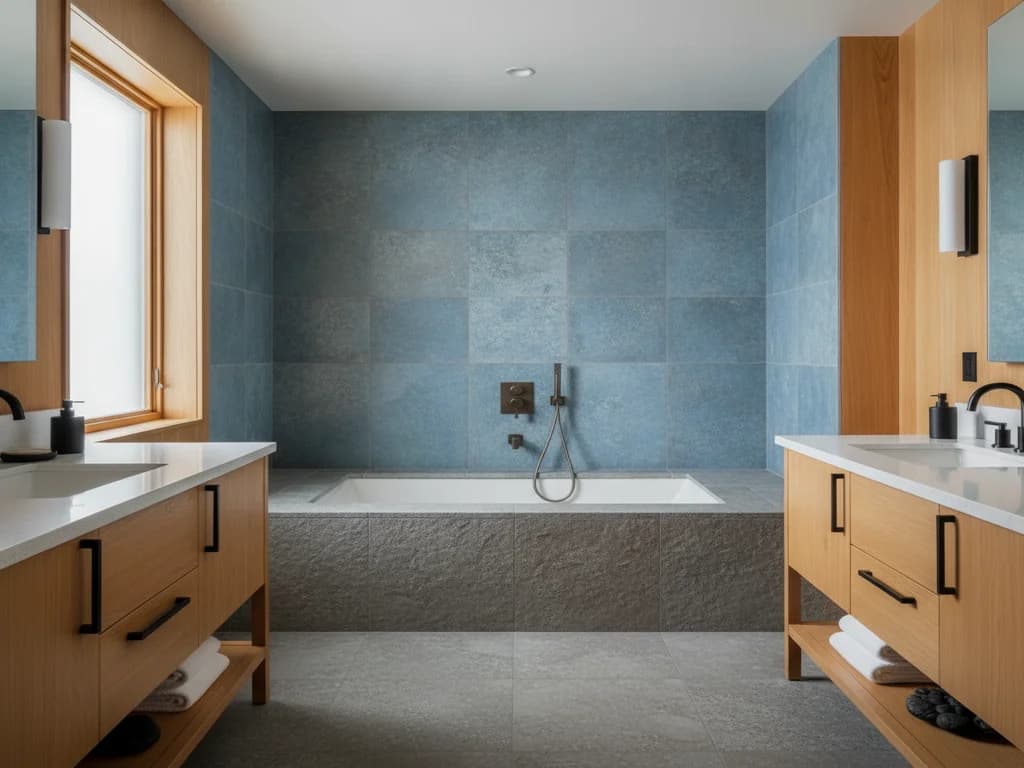
Stone resin (also marketed as cultured marble or solid surface) tubs are a solid, non-porous composite material, and This Old House's spa-bathroom coverage is specific about the payoff: a limestone-resin composite tub "retains heat better than acrylic and avoids the weight of cast iron" — a real advantage if you actually soak rather than just rinse. Fixr's closest cost analogues, cultured marble and solid surface, price installation at $9,000 and $10,000 respectively, a real premium over acrylic or fiberglass.
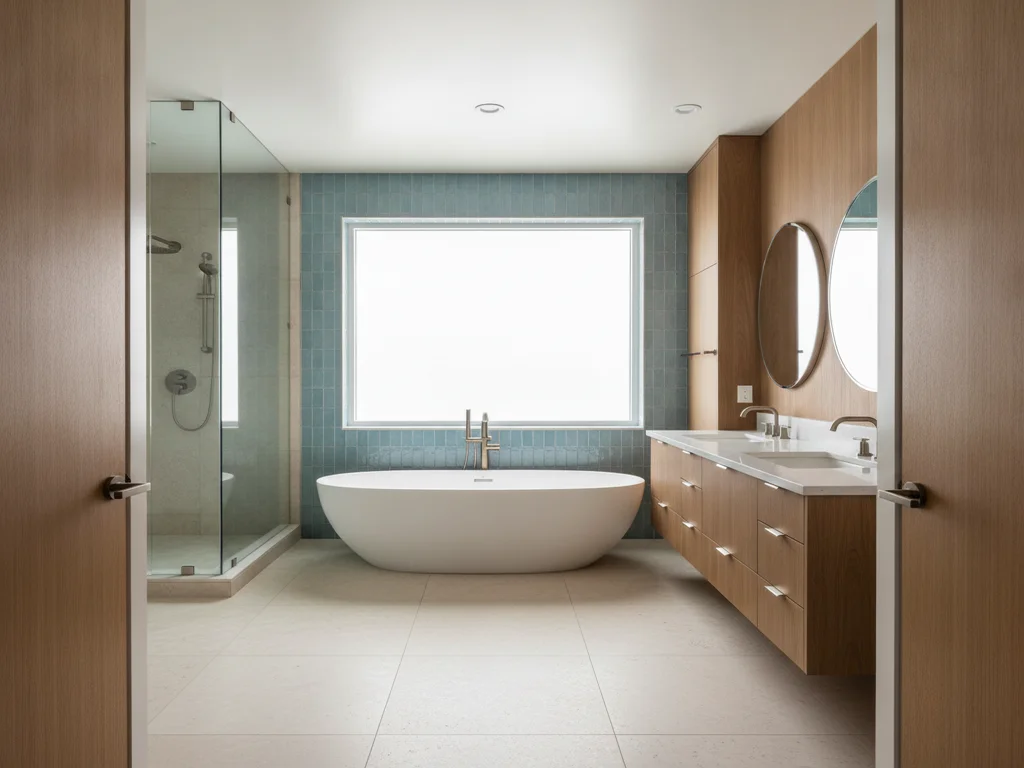
Stone resin tubs are heavier than acrylic or fiberglass, though generally lighter than a full cast iron tub of the same size, and they show up most often in freestanding soaking tubs rather than built-in alcove installs — see our freestanding tub ideas for how designers place them.
Weight and installation: the factor that's easy to overlook
Every material comparison above assumes the tub gets installed correctly, and weight is a bigger part of that than most buyers expect. Fixr notes labor typically runs 20–50% of a bathtub's total installed cost, and heavier materials — cast iron especially, stone resin close behind — can require additional installers and, in some cases, floor reinforcement before the tub goes in.
This is worth raising with your contractor before you fall in love with a specific cast iron or stone tub: ask directly whether your existing floor framing can support it, or whether reinforcement needs to be part of the budget.
Which material should you choose?
Choose acrylic if you want the balanced, no-surprises default — light, affordable, easy to maintain, and well suited to a built-in tub-shower combo. Choose cast iron if you want a tub that will outlast the rest of your bathroom's finishes and you have (or can add) the floor support to carry it. Choose fiberglass if budget is the deciding factor and you are comfortable with a shorter working life. Choose stone resin if you actually soak regularly and want the best heat retention and the most luxurious look, and the price premium fits your budget.
A master bathroom retreat build is where we help you weigh material, shape, and budget together against your actual bathroom, rather than picking a tub in isolation.
Ready to plan your Boise bathroom?
Licensed & insured · 3-year workmanship warranty
Frequently asked questions
- What is the most durable bathtub material?
- Cast iron. This Old House calls it the most durable option available, scratch- and dent-resistant, and Fixr notes some cast iron tubs last nearly 100 years. The trade-off is significant weight, which can require floor reinforcement and additional installation labor.
- Is a stone resin tub worth the extra cost over acrylic?
- It depends on how much you value heat retention and looks. This Old House notes a limestone-resin composite tub retains heat better than acrylic and avoids cast iron's weight, but Fixr's closest cost analogues (cultured marble and solid surface) price installation at $9,000–$10,000 versus acrylic's $6,000 average — a real premium for that advantage.
- Which bathtub material is the lightest and easiest to install?
- Fiberglass and acrylic are both light and straightforward to install, per This Old House, which is why they dominate built-in alcove tub-shower combos. Fiberglass is typically the lightest and cheapest of the two, but This Old House puts its working life at roughly 10 years, shorter than acrylic's.
Sources
- This Old House — Bathtub Buying Guide: Types & Materials
- Fixr — Cost to Install or Replace a Bathtub
- This Old House — 13 Relaxing Spa Bath Retreat Ideas
Claims and figures are drawn from the sources above and provided for general guidance; your project may vary. Photography is illustrative of design concepts. For a fixed price on your specific bathroom, request a free estimate.