Updated September 9, 2026 · 7 min read
By Boise Bath — bathroom & shower remodeling in Boise & the Treasure Valley
The short answer
Surface mold on caulk, grout, or paint that wipes off with cleaner is cosmetic — clean it and fix the ventilation. Worry when mold returns within days, covers more than about 10 square feet (the EPA threshold for professional remediation), stains drywall from within, or comes with a musty smell and soft walls — signs of moisture and colonization behind the surface.
Key takeaways
- Mold that wipes off caulk, grout, or paint with household cleaner is a surface problem; mold staining drywall from within is a structure problem.
- The EPA recommends professional remediation when mold covers more than about 10 square feet — below that, cleanup is usually a homeowner-scale job.
- Mold needs moisture, and the EPA puts the window in actionable terms: “If wet or damp materials or areas are dried 24-48 hours after a leak or spill happens, in most cases mold will not grow.” The mold is always the symptom; the water is the cause, and the first two days after a spill are the cheapest time to act.
- Mold that returns within days of cleaning means the moisture source is still active, often behind the wall.
- Musty smell with no visible mold, soft or bubbling drywall, and staining that spreads from a seam all argue for opening the wall, not scrubbing it.
- The species matters less than the size and the source — "black mold" panic is less useful than finding the leak.
First, figure out which mold you have
Almost every bathroom grows some mold eventually — it is the one room in the house that gets steamed daily. The question that matters is not "is there mold" but "where is it living." Mold sitting on a surface is a cleaning problem. Mold living inside a material is a repair problem.
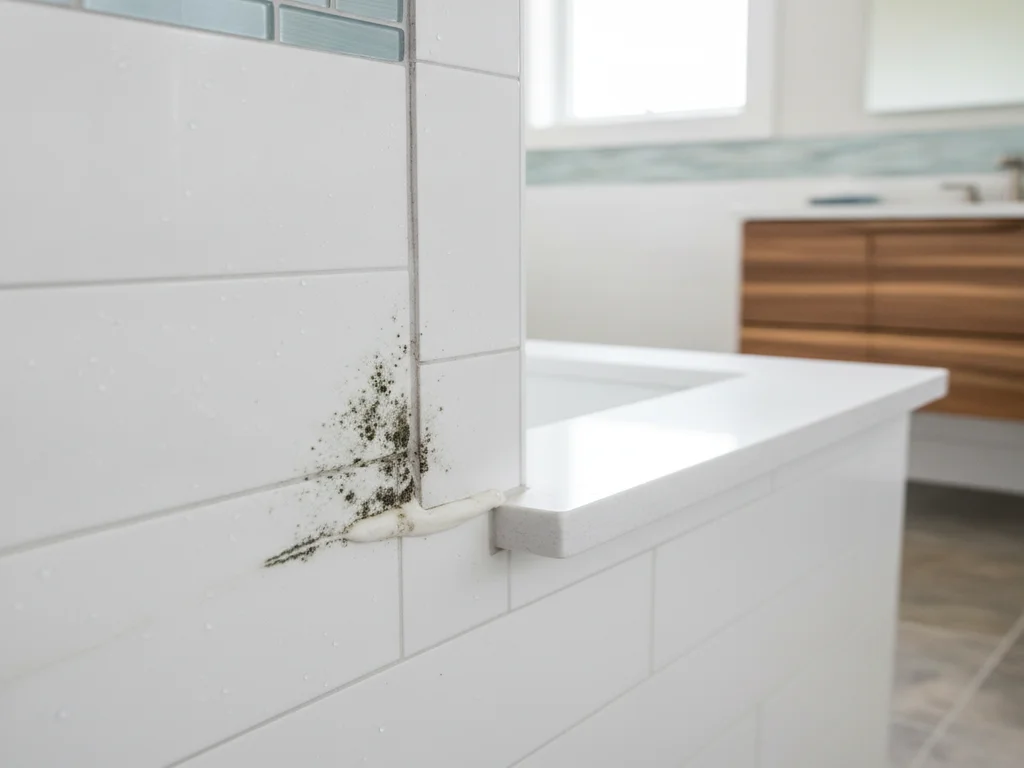
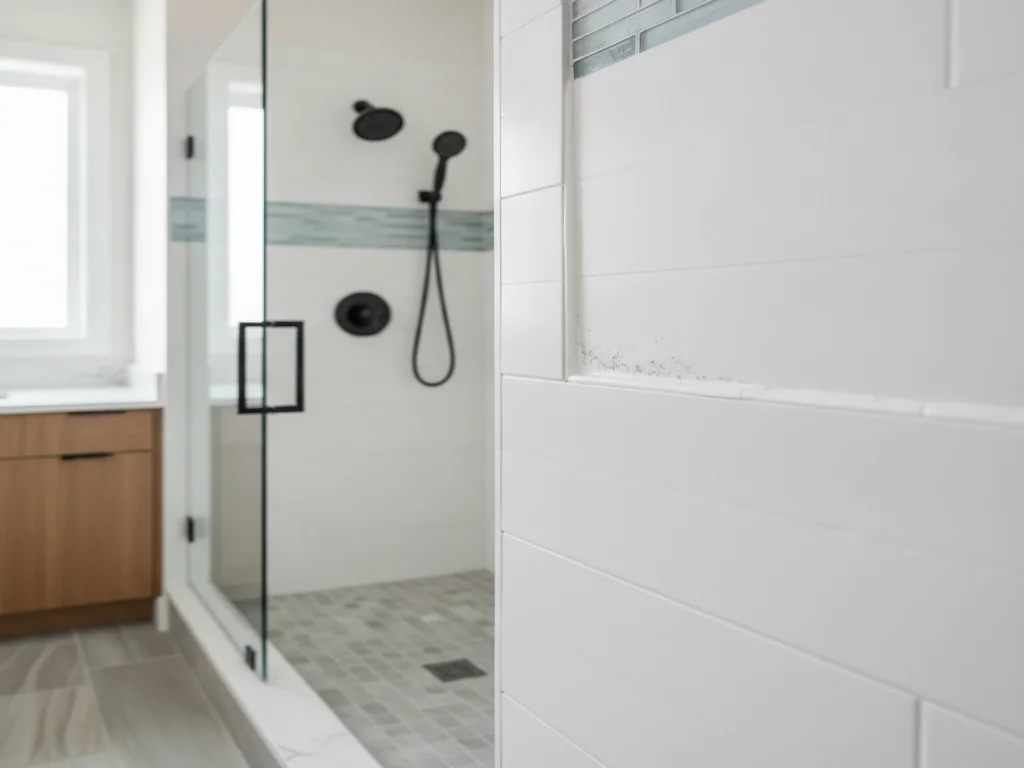
The quick test: hit the spot with a bathroom mold cleaner and a brush. Surface mildew on silicone caulk, grout haze, painted trim, or the ceiling above the shower comes off — maybe with effort, maybe leaving a faint stain on old caulk, but it comes off and stays gone for weeks or months if the room is ventilated.
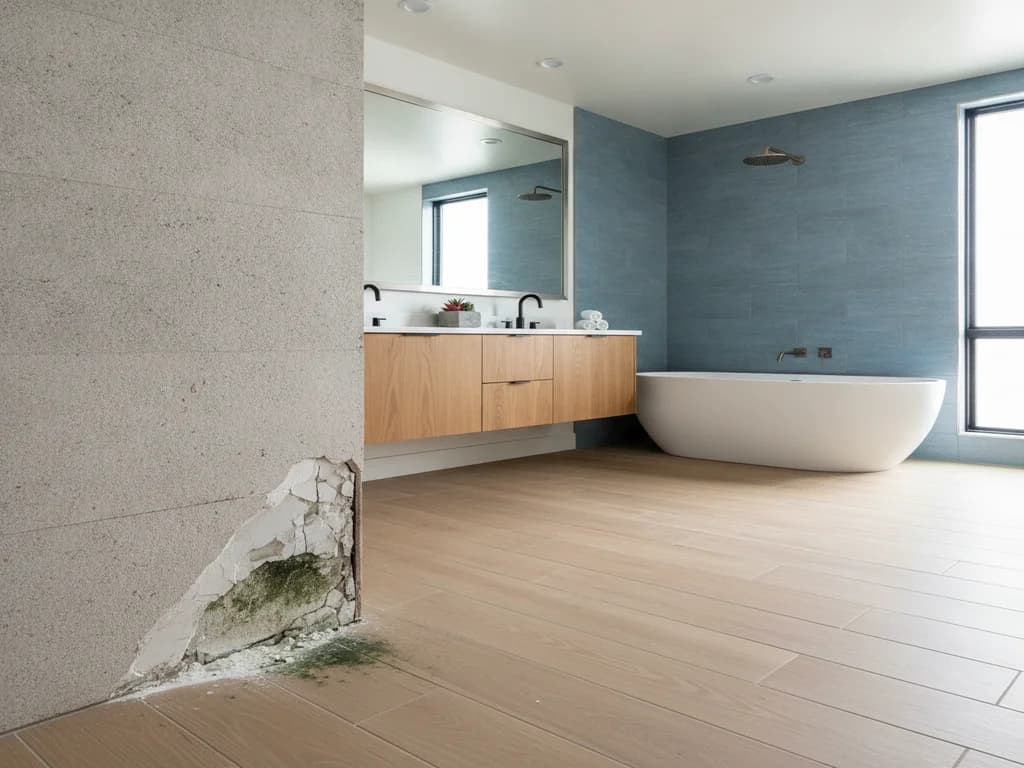
Mold you should worry about behaves differently. It grows through paint rather than on it. It stains drywall in a blotch that keeps its shape when you scrub. It comes back in the same spot within days. Or it announces itself by smell before you ever see it. Those patterns mean the growth is being fed from behind the surface, and no amount of surface cleaning reaches it.
What causes bathroom mold, ranked
Mold needs three things: spores (always present), a food source (paper drywall facing, soap film, dust), and moisture. Only the moisture is controllable, so every cause on this list is really a moisture path.
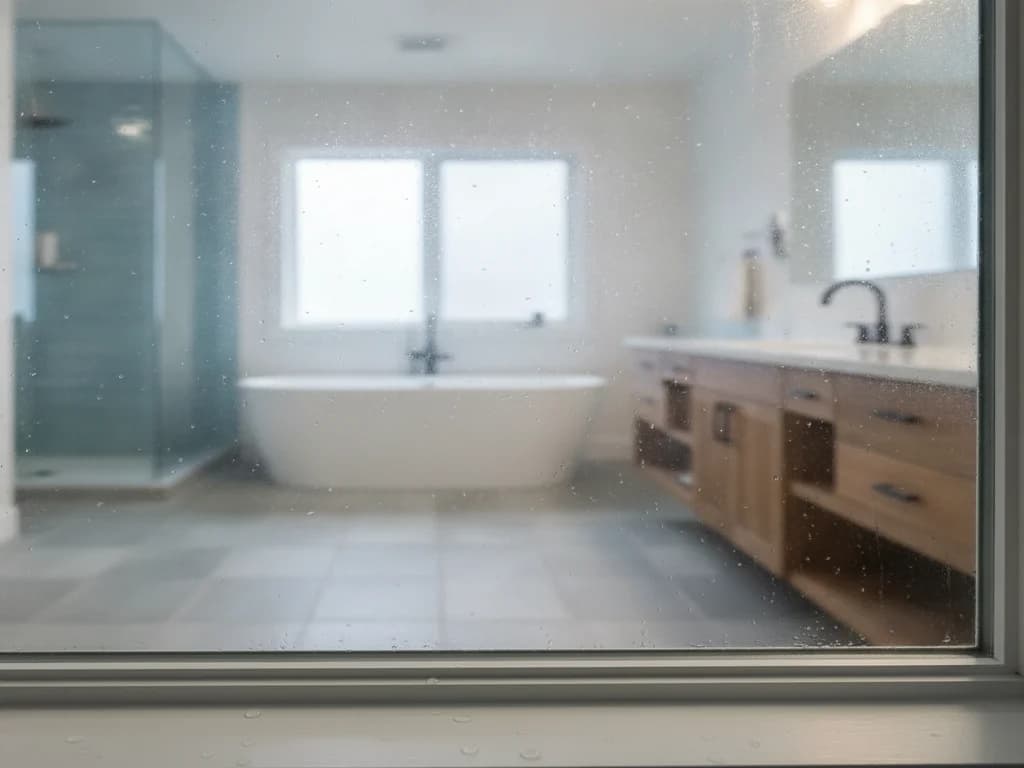
- Condensation from weak ventilation — the most common cause by far. Steam that has nowhere to go condenses on the ceiling, the upper walls, and cold window surfaces, and mildew follows the damp. An undersized fan, a fan nobody runs long enough, or no fan at all. Our bathroom ventilation guide covers the fix.
- Standing splash zones — grout and caulk lines at the tub and shower that stay wet between uses, especially in corners where towels and shampoo bottles block airflow.
- Failed caulk or grout letting water behind the surface — once water gets behind tile or into a wall cavity, it dries slowly or not at all, and mold colonizes the back of the drywall. If your caulk itself is the recurring problem, see why shower caulk keeps mildewing.
- Plumbing leaks inside the wall or under the floor — a slow supply or drain leak feeds mold continuously, in the dark, on paper-faced drywall. This is the cause behind most serious hidden colonization.
- Chronic humidity from the house itself — a bathroom that never fully dries because the whole home runs humid, or because winter condensation soaks the same cold surfaces daily. Related symptoms live in our condensation and humidity guide.
The severity triage: clean it, watch it, or open the wall
Here is the honest sorting logic, from least to most serious.
Clean it: spotting on caulk, grout, paint, or the ceiling that responds to cleaner and stays away when you ventilate better. This is maintenance, not damage. Replace caulk that is permanently stained — pigmented mildew inside old silicone never bleaches out.
Watch it: mold that comes back in the same place within a few weeks despite better ventilation. Something local is keeping that spot wet — a cold surface, a splash path, a slow seep. Find and fix the moisture before the problem graduates.
Open the wall: mold covering a large area, growing through the paint film, paired with soft or bubbling drywall, or accompanied by a musty smell that cleaning never touches. At this level you are not cleaning mold — you are removing colonized material and fixing the water source that fed it.
The EPA 10-square-foot line
The EPA mold guidelines draw a practical threshold: mold covering more than about 10 square feet — roughly a 3-by-3-foot patch — generally calls for professional remediation rather than DIY cleanup. Below that, a homeowner with cleaner, gloves, and ventilation can usually handle it. Above it, the growth almost always traces to a moisture problem big enough to need a contractor anyway.
Signs the mold is behind the wall
Hidden colonization rarely stays hidden forever. The tells, roughly in the order they appear: a persistent musty, earthy smell that survives cleaning and airing out. Paint or drywall texture that bubbles, wrinkles, or feels soft to a fingertip press. Staining that spreads from a seam, a fastener line, or the tub edge rather than sitting where steam lands. Baseboard or trim that darkens or lifts.
The location tells you about the source. Mold low on a wall shared with the tub or shower points at failed waterproofing or a tub-drain leak. Mold at the ceiling below an upstairs bathroom points up. Mold around the toilet base suggests a wax-ring seep. A wall that is soft and stained around a plumbing chase usually means a supply or drain leak inside it.
If you are seeing these alongside other water symptoms — stains, warping, spongy flooring — the broader checklist in signs of bathroom water damage helps you read the pattern.
What a professional actually does about hidden mold
The professional sequence is the opposite of the instinct to scrub. First, find and stop the water — moisture meters and a look inside the wall beat guesswork, because per the EPA, cleaning up mold without fixing the water problem guarantees it returns.
Second, remove colonized porous material. Drywall, insulation, and MDF trim that mold has grown into get cut out and discarded, with the work area contained so spores do not spread through the house. Hard, non-porous surfaces — studs, tile, tub — get cleaned and dried in place.
Third, dry the cavity fully before anything closes it back up, then rebuild with the moisture path corrected: proper waterproofing at wet walls, mold-resistant drywall where it earns its cost, and ventilation sized to the room. The rebuild side of that work is covered in replacing bathroom drywall.
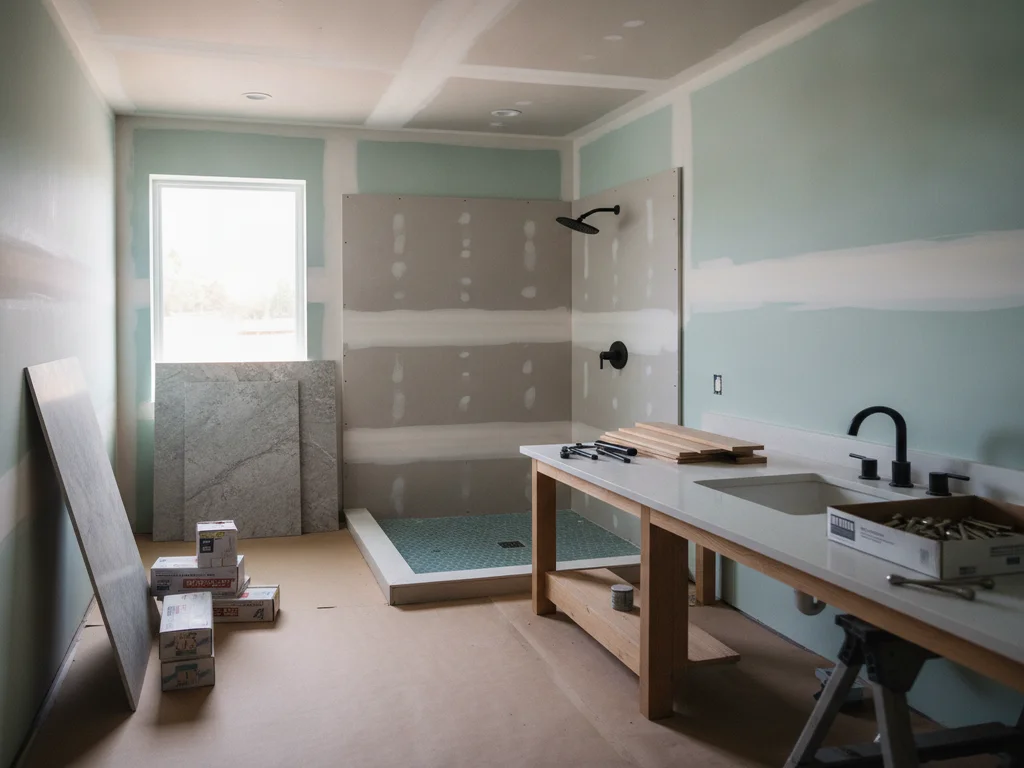
This is also why hidden mold discovered during a planned remodel is almost good news: the walls are opening anyway, and the fix folds into work you were already paying for.
Does it matter if it is black mold?
Less than the internet suggests. "Black mold" usually refers to Stachybotrys, but plenty of harmless-looking molds are dark, and plenty of concerning growth is green, gray, or white. The EPA does not recommend routine testing to identify species for most situations — because the response is the same regardless: fix the moisture, remove the colonized material, and take sensible precautions during cleanup.
Size and source are the useful variables. A dark speckle on shower caulk is trivial whatever species it is. A wall-sized colony of anything means water damage and remediation. Spend your worry on finding the leak, not naming the mold.
That said, people with asthma, allergies, or immune conditions react to mold exposure more strongly — if anyone in the house is sensitive and mold keeps returning, that is a real reason to escalate to professional diagnosis sooner.
Prevention: the moisture wins or you do
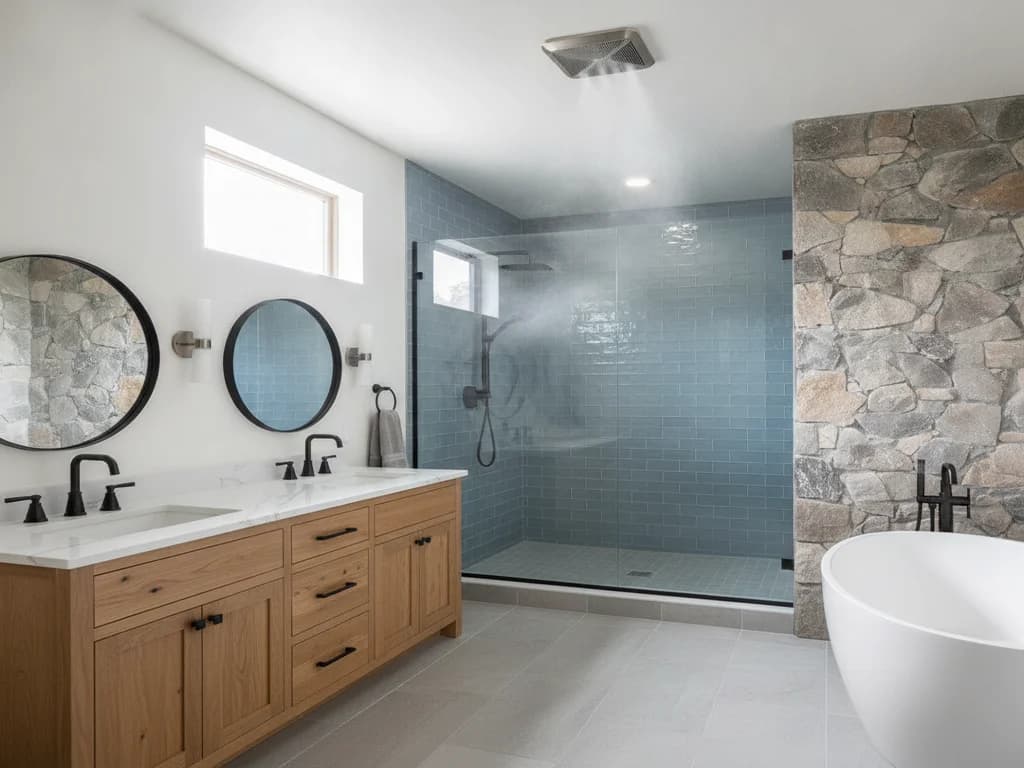
Every durable fix for bathroom mold is a moisture fix. Run the exhaust fan during every shower and for 20–30 minutes after, and make sure the fan actually moves enough air for the room — the sizing math and habits are in our ventilation guide, and if the fan itself is old and wheezing, start with the best bathroom exhaust fans. Keep caulk and grout maintained so splash water stays on the surface. Fix small leaks the week you notice them, not the season.
And if a remodel is on your horizon, that is the once-a-decade chance to make the bathroom structurally hard to mold: proper waterproofing membranes, mold-resistant board in wet zones, a ducted fan sized to the room. What to specify and where it pays off is its own topic — see preventing mold in a bathroom remodel.
Ready to plan your Boise bathroom?
Licensed & insured · 3-year workmanship warranty
Frequently asked questions
- When should I worry about mold in my bathroom?
- Worry when mold covers more than about 10 square feet (the EPA threshold for professional remediation), returns within days of cleaning, grows through paint rather than sitting on it, or comes with a musty smell and soft, bubbling drywall. Those signs point to an active moisture source behind the surface. Spotting on caulk and grout that cleans off and stays gone is cosmetic.
- Is black mold in a bathroom dangerous?
- Color is a poor guide — many dark molds are common bathroom mildew, and concerning growth can be any color. The EPA does not recommend routine species testing for most homes because the response is the same: fix the moisture and remove colonized material. People with asthma, allergies, or immune conditions should take recurring mold more seriously and escalate sooner.
- Why does bathroom mold keep coming back after I clean it?
- Because the moisture that feeds it is still there. The EPA notes mold can establish on damp material within 24–48 hours, so a surface that stays wet regrows fast. Mold returning in the same spot within days usually means an active source — condensation on a cold surface, a splash path, or a leak behind the wall — not inadequate scrubbing.
- Does mold on the bathroom ceiling mean I have a leak?
- Usually not. Ceiling mold above a shower is the classic signature of condensation — steam rising, hitting the coolest surface in the room, and sitting there because the exhaust fan is weak or underused. A leak is more likely when the staining is a defined ring or blotch, sits below an upstairs bathroom, or keeps growing while the rest of the ceiling stays clean.
- Can I remove bathroom mold myself?
- Small surface growth — under roughly 10 square feet, per EPA guidance — is generally a homeowner job: cleaner, gloves, good ventilation, and replacing any caulk that is permanently stained. Larger areas, mold inside walls, or growth tied to sewage or major water damage call for professional remediation, both for containment and because the underlying repair usually needs a contractor anyway.
- Will bleach kill mold behind the wall?
- No — and neither will anything else applied from the room side. Surface treatments only reach surface growth. Mold colonizing the back of drywall or the inside of a wall cavity is being fed by moisture you cannot see, and the fix is stopping the water, cutting out the colonized material, and drying the cavity before rebuilding. Spraying the visible side just delays the discovery.
Sources
Claims and figures are drawn from the sources above and provided for general guidance; your project may vary. Photography is illustrative of design concepts. For a fixed price on your specific bathroom, request a free estimate.