Updated July 16, 2026 · 7 min read
By Boise Bath — bathroom & shower remodeling in Boise & the Treasure Valley
The short answer
Sometimes. If the waterproofing membrane and pan under the tile are sound, a professional can demo the floor tile, true up the mortar bed, and retile the floor alone. But cracked, hollow, or perpetually damp floor tile usually means the bed or membrane below has failed — and that requires a pan rebuild, not a retile.
Key takeaways
- A floor-only retile is legitimate when the damage is cosmetic — worn, stained, or dated tile over a dry, solid bed.
- Cracked or hollow-sounding floor tile usually signals movement or failure in the mortar bed or membrane underneath.
- The wall-to-floor joint is the risk zone: floor demo must stop cleanly at the bottom wall course without breaking the waterproofing behind it.
- A moisture check below the shower — ceiling or crawl space — is the cheapest test of whether the membrane is still working.
- If the membrane has failed, retiling over it wastes the tile budget; the pan rebuild it actually needs is a different project.
The honest answer: it depends on what is under the tile
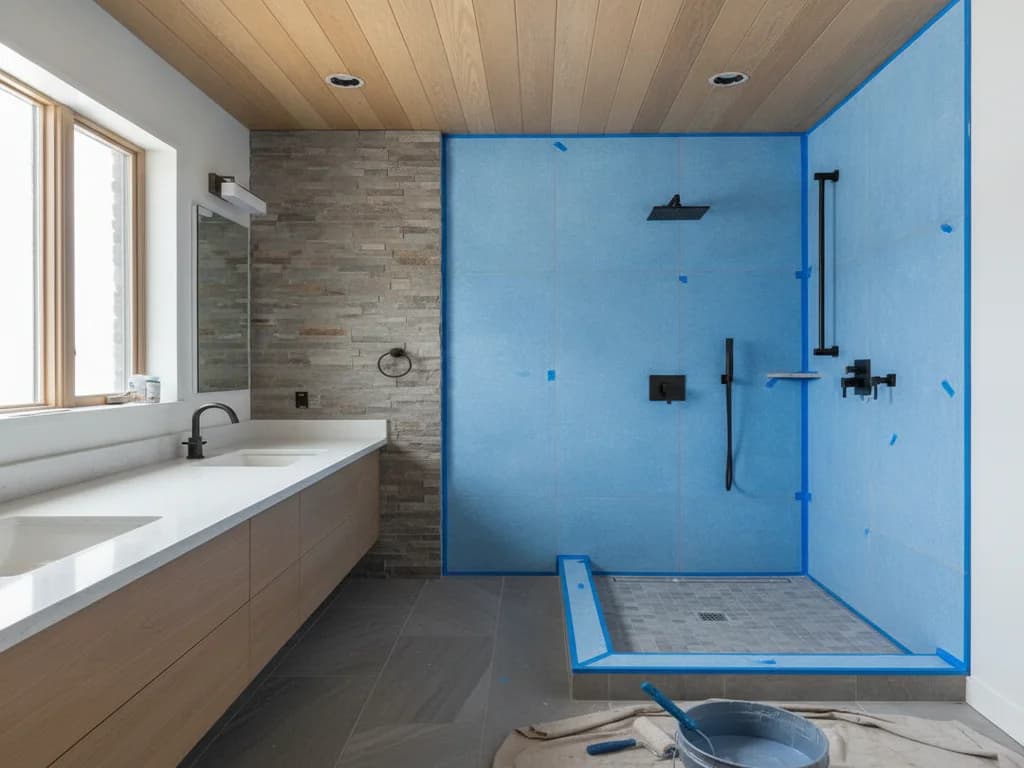
A shower floor is three layers doing different jobs: the tile you see, the mortar bed that gives it slope, and the waterproofing membrane that actually keeps water out of the house. Tile and grout are decorative armor — the membrane below is the roof.
That layering is why "can I replace just the shower floor" has two very different answers. If the membrane and bed are sound and the tile is simply ugly, cracked from a dropped bottle, or hosting grout you have given up on, a floor-only retile is a real, legitimate project. If the tile failed because the layers under it failed, retiling is repaving a washed-out road.
The good news: the two cases are distinguishable before demolition, and a pro can usually tell which one you have in a single visit.
When a floor-only retile works
The green-light scenario looks like this: the floor tile is dated, stained, or has isolated cracks with a known cause; the floor sounds solid rather than hollow when tapped; grout lines are intact; there is no give underfoot; and the ceiling or crawl space below is bone dry.
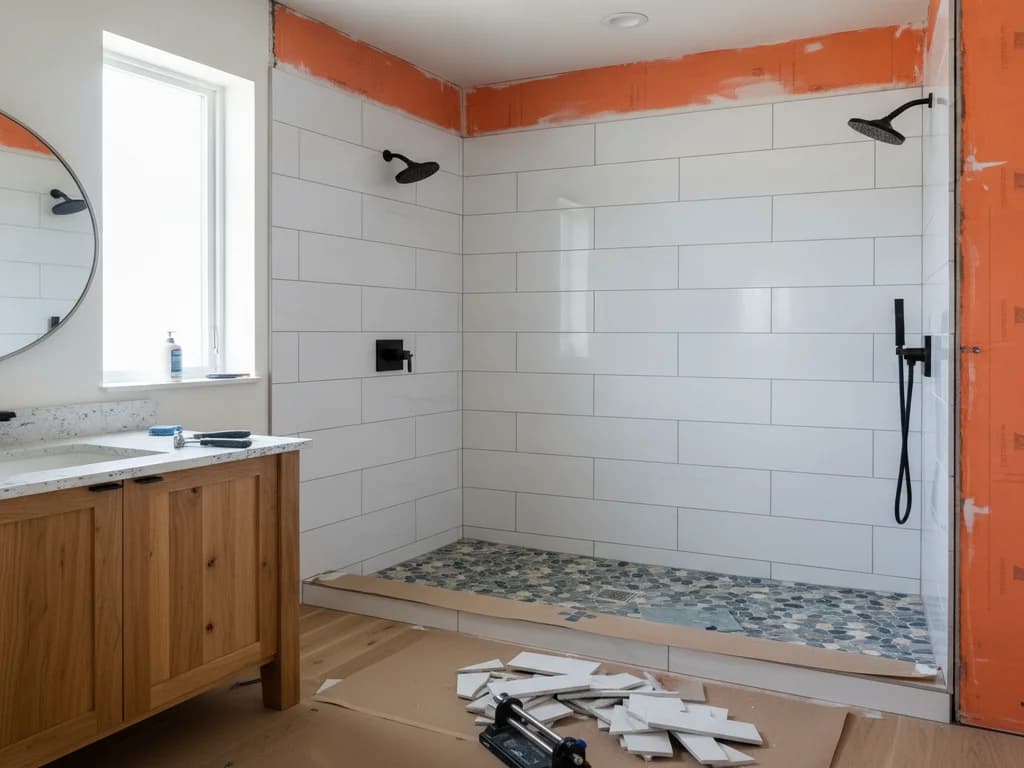
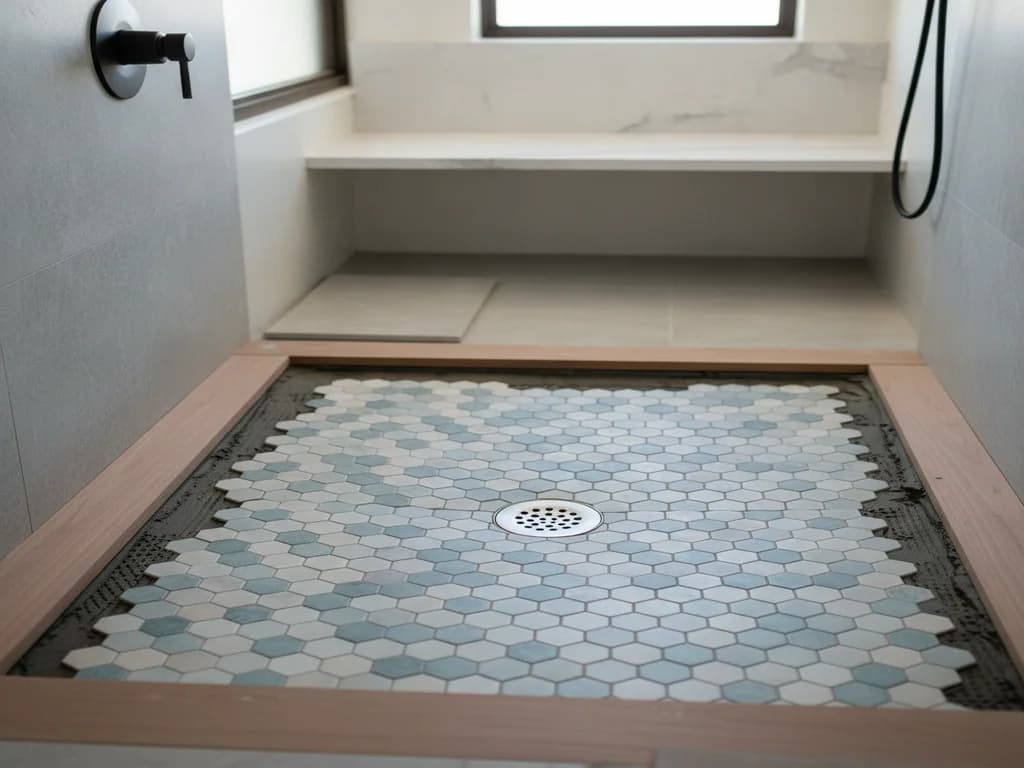
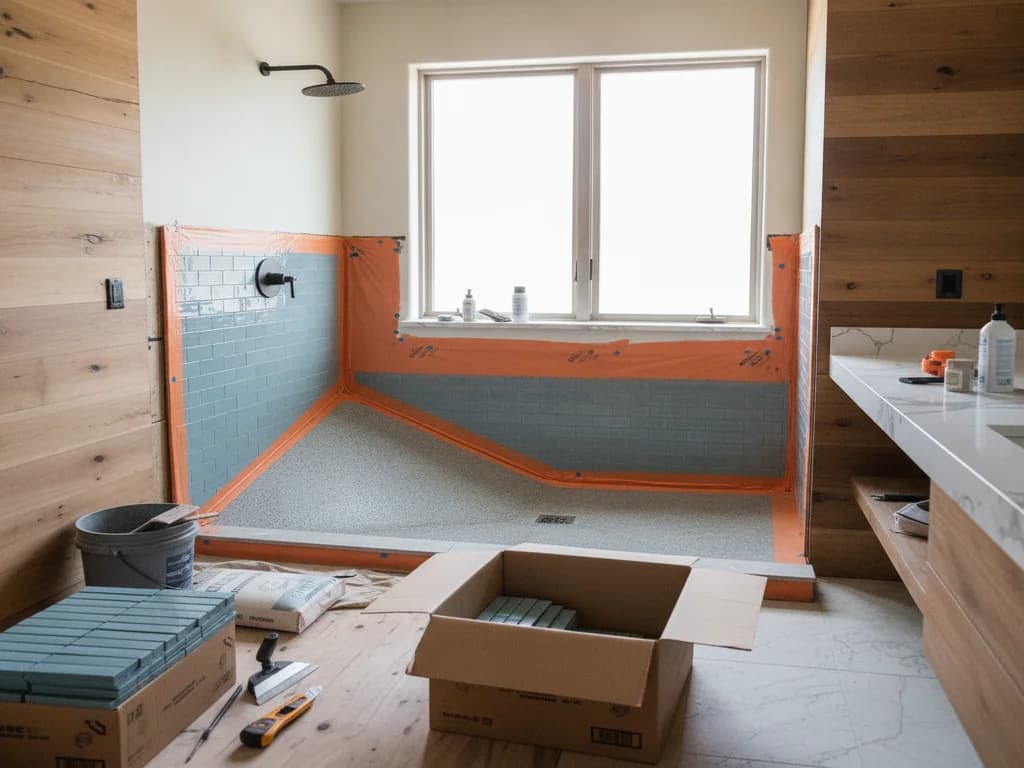
In that case, the process is a careful demo of the floor tile only, stopping at a clean line where the floor meets the bottom wall course. The mortar bed is inspected and trued, slope to the drain is verified, and the new floor — typically a mosaic, for slope conformity and grip — is set and grouted, with a flexible sealant joint where floor meets wall. The full sequence lives in replacing shower floor tile.
Mosaic is the standard floor choice for a reason: small tiles follow the compound slope to the drain without lippage, and the extra grout lines add slip resistance. Options and trade-offs by drain type are covered in shower drain types compared.
When floor damage means the problem is below
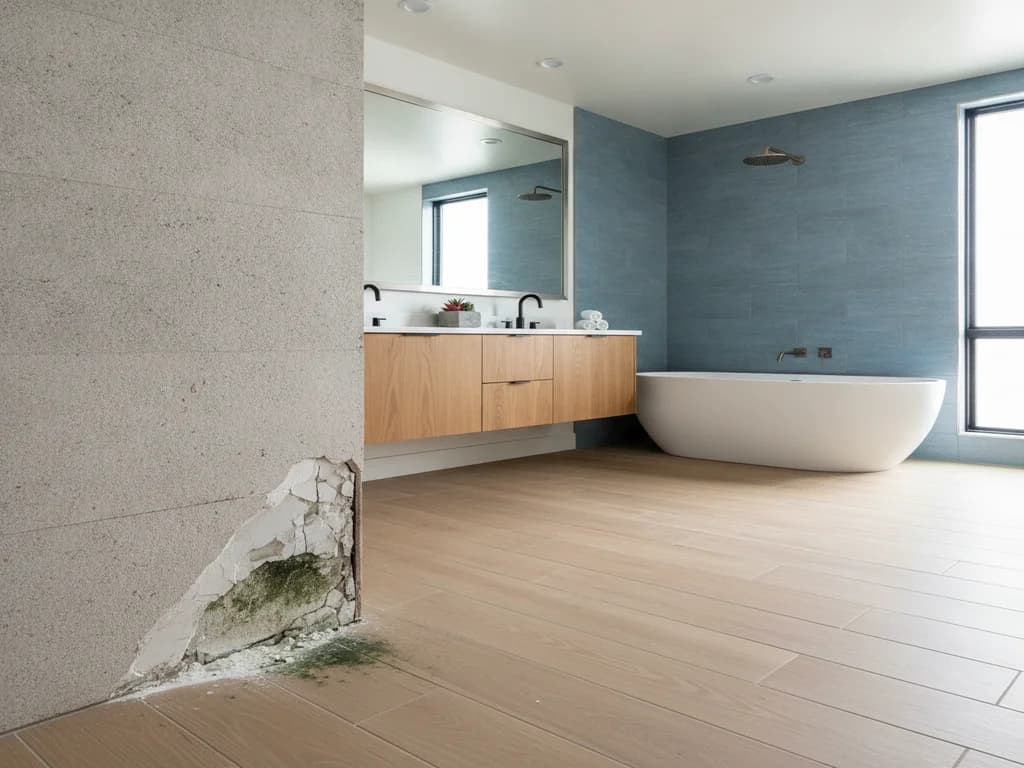
Certain symptoms move the diagnosis below the tile. A spreading pattern of cracks — rather than one impact crack — means the bed is moving. Hollow sounds across large areas mean the tile has debonded, usually from moisture cycling underneath. A floor that stays damp for a day after showering, efflorescence (white mineral crust) at grout lines, or a musty smell all say water is living inside the assembly.
The decisive evidence is usually not in the shower at all: water staining on the ceiling below, or dampness visible from a crawl space, means the membrane has failed. At that point the project is a pan rebuild — demo to the subfloor, new membrane, new bed, new tile — which we cover in replacing a shower pan.
Retiling over a failed membrane is the worst-value move in shower repair: you pay full price for demo and tile, keep the leak, and pay for both again when the rebuild becomes unavoidable.
One crack vs. a crack pattern
A single crack with a story — a dropped shampoo bottle, a heavy showerhead wand — is usually cosmetic. Multiple cracks, cracks that follow lines across the floor, or cracks that reopen after regrouting mean the bed underneath is moving, and no amount of new tile fixes movement.
The wall joint: where floor-only projects succeed or fail
The technical risk in a floor-only retile is the perimeter. In a properly built shower, the wall waterproofing laps over the pan membrane at the floor line, and the bottom wall tile course sits over that overlap. Demolition has to remove floor tile right up to that joint without fracturing the wall tile or slicing the membrane behind it.
A careful pro scores the joint, works inward from the drain outward, hand-chisels the perimeter, and accepts that one or two bottom-course wall tiles may sacrifice themselves — which is why having a few matching spares, or a deliberate contrast border plan, gets discussed before demo, not after.
The finished joint matters too: floor-to-wall is a movement joint and gets flexible sealant, not grout, per Tile Council of North America guidance. Grout in that corner is why so many showers crack there in the first place.
What a professional checks before quoting a floor-only job
Expect four checks. First, a tap test across the whole floor mapping hollow spots. Second, a hard look below — ceiling stains, crawl-space moisture, or a moisture-meter reading through the ceiling drywall. Third, the drain: the clamping ring or flange connection is the most common membrane failure point, and a wobbly or corroded drain assembly changes the scope. Fourth, the perimeter joint condition — cracked corner grout is a movement flag.
A contractor who quotes a floor retile without looking below the shower is quoting the best case, not your case. The broader warning signs worth knowing are in signs of bathroom water damage.
On cost, a floor-only retile is a fraction of a full shower rebuild — national guides like Angi put small-format tile work at a per-square-foot rate where a shower floor is one of the smallest jobs a tile setter takes. The caveat is minimum-job pricing: small tile jobs carry setup and trip costs, so bundling the floor with other bathroom work often prices better than a standalone visit.
When to stop at the floor — and when not to
Replace just the floor when the damage is cosmetic, the assembly below tests dry and solid, and you like the walls. It is a genuinely good project in that lane: fresh floor, new sealant joints, better grip, done in days.
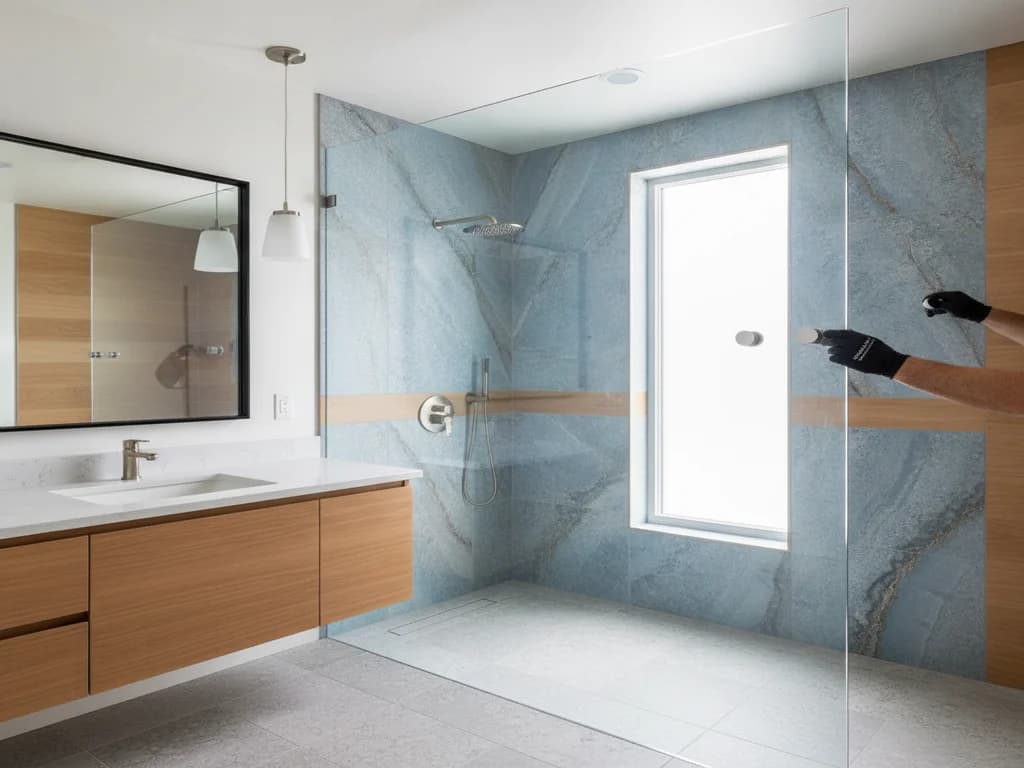
Go bigger when the membrane has failed, when the walls are also dated or damaged, or when the shower has deeper layout problems — a high curb, a cramped footprint, a door that fights the room. Rebuilding the pan opens the one-time window to fix all of it: curbless entry, linear drain, bench, niche. That is the conversation behind a custom walk-in shower, and the honest comparison is worth pricing before committing tile money to a floor you may demo again.
Ready to plan your Boise bathroom?
Licensed & insured · 3-year workmanship warranty
Frequently asked questions
- Can you replace a shower floor without replacing the walls?
- Yes, when the waterproofing and mortar bed under the floor are sound. The demo stops at the floor-to-wall joint, the bed is trued, and new floor tile goes down with a flexible sealant joint at the perimeter. The prerequisite is verification — a tap test, a dry ceiling below, and an intact drain connection — before any tile comes up.
- How much does it cost to retile just a shower floor?
- A shower floor is one of the smallest tile jobs there is — often under 15 square feet — so material cost is minor and the price is mostly labor and minimum-job setup. National guides like Angi price tile installation per square foot with small-job minimums, which is why bundling the floor with other bathroom work usually prices better than a standalone visit.
- Why is my shower floor tile cracking?
- One crack with an impact story is cosmetic. A pattern of cracks means the mortar bed is moving or the substrate below has softened — commonly from a membrane leak cycling moisture through the assembly. Regrouting a moving floor buys months, not years. The fix for movement is rebuilding the layers below, not replacing the tile on top.
- Can you tile over an existing shower floor instead of removing it?
- It is rarely a good idea in a shower, even though it is common on bathroom floors. Adding a layer raises the floor against the drain flange and curb, ruins the designed slope, and buries any membrane problem under a second assembly. Shower floors are small — proper demo costs little compared to the drainage problems an overlay creates.
- How do I know if my shower pan is bad versus just the tile?
- Look below, not at the floor. A dry ceiling or crawl space under the shower, a solid tap test, and a firm drain assembly point to a tile-level problem. Staining below, dampness that lingers, hollow zones, or a loose drain point to the pan or membrane. A pro confirms with a moisture meter before recommending either scope.
- What tile is best for a shower floor?
- Mosaics — typically 2-inch or smaller — remain the standard because small tiles conform to the slope toward the drain and the dense grout lines add slip resistance underfoot. Porcelain outperforms natural stone for maintenance in hard-water areas like the Treasure Valley, where stone needs sealing and shows mineral spotting faster.
Sources
- Tile Council of North America (TCNA)
- National Tile Contractors Association
- Angi — Cost Guides
- HomeAdvisor — True Cost Guide
Claims and figures are drawn from the sources above and provided for general guidance; your project may vary. Photography is illustrative of design concepts. For a fixed price on your specific bathroom, request a free estimate.