Updated July 16, 2026 · 7 min read
By Boise Bath — bathroom & shower remodeling in Boise & the Treasure Valley
The short answer
Acrylic is the right tub for most remodels — light, warm to the touch, affordable, and available in every modern shape. Cast iron wins on solidity, scratch resistance, and lifespan measured in generations, but its 300-plus-pound weight complicates installation and its enameled surface is cold until the water warms it.
Key takeaways
- A cast iron tub typically weighs 300–500 pounds empty; a comparable acrylic tub weighs 60–100 pounds — the single biggest practical difference between them.
- Both hold a bath’s heat reasonably well, but differently: acrylic feels warm immediately, while cast iron absorbs heat from the first fill and then radiates it back for a long soak.
- Cast iron’s porcelain enamel is the most durable tub surface made — decades-scale, scratch-resistant — but a chip exposes iron that can rust, and refinishing is a stopgap.
- Acrylic can scratch and dull with abrasive cleaning, yet minor damage is polishable and the material is warm, quiet, and repairable in place.
- Weight drives hidden costs: cast iron installs may need floor-framing checks and extra labor, and removing an old one is demolition, not carrying.
- Cost direction favors acrylic at every step — purchase, delivery, and installation labor.
The verdict: acrylic for most remodels, cast iron for the forever soak
This is the classic old-world-versus-modern material matchup, and the honest answer is unromantic: acrylic is the right choice for most bathtub replacements. It is light enough to install anywhere without structural questions, warm the moment you touch it, offered in every contemporary shape from alcove to sculptural freestanding, and costs less at every step.
Cast iron earns its devotees for real reasons — a heft and silence no plastic matches, an enamel surface that shrugs off decades of use, and serious heat mass for long soaks. If you bathe often, love the material, and your floor structure and budget accommodate it, nothing else feels like it.
This comparison covers the two head-to-head; where fiberglass, steel, stone, and solid-surface tubs fit is covered in our full bathtub materials roundup. And if the tub being replaced is itself cast iron, read replacing a cast iron bathtub first — getting the old one out is half the story.
What each material actually is
A cast iron tub is exactly what the name says: molten iron cast into a tub shape, then coated with porcelain enamel — glass fused to the metal at high temperature. The result is a nearly rigid, extremely heavy vessel with the hardest, glossiest surface in the tub world. Manufacturers such as Kohler still cast them today the way they did a century ago, which is why originals from the 1920s are routinely still in service.
An acrylic tub starts as a sheet of acrylic polymer, vacuum-formed over a mold and reinforced from behind with fiberglass and resin. The result is a light, warm-touch shell — stiffer and glossier than plain fiberglass, though built on the same basic idea. Acrylic dominates the modern tub market, which is why the shape selection, from builder alcove to designer freestanding, is overwhelmingly acrylic.
Quality varies more within acrylic than within cast iron. Thin, lightly reinforced budget shells flex underfoot and feel hollow; thick, well-reinforced tubs from reputable lines feel solid and last decades. With cast iron, the material is the quality floor — with acrylic, the manufacturer is.
Cast iron vs. acrylic: the side-by-side
Here is the full comparison in one table.
| Factor | Cast iron | Acrylic |
|---|---|---|
| Weight (empty) | Roughly 300–500 lbs; more for large freestanding models | Roughly 60–100 lbs — two people carry it upstairs |
| First touch | Cold — the enamel pulls heat until the water warms the iron | Warm immediately — acrylic is a natural insulator |
| Heat over a soak | Excellent once warmed; the iron mass radiates heat back | Good — insulating shell slows heat loss without the mass |
| Surface durability | Porcelain enamel: hardest tub surface made, scratch- and chemical-resistant | Scratches and dulls under abrasives; minor marks polish out |
| Damage & repair | Chips expose iron that can rust; refinishing is a short-term fix | Repairable in place — scratches polish, gouges patch |
| Feel in use | Silent, utterly rigid, substantial | Warmer and lighter; budget shells can flex and sound hollow |
| Shapes available | Classic forms — alcove, clawfoot, rolled-rim freestanding | Every modern form, size, and soaking depth |
| Structure & install | Floor framing may need verification; heavy-crew install | No structural concerns; standard install |
| Cost direction | Higher — material, freight, and labor all cost more | Lower at every step; widest budget range |
Weights are typical manufacturer ranges for standard 60-inch tubs; large soakers exceed them in both materials.
The heat question: warm tub vs. warm material
Heat retention is the most argued point in this comparison, and both sides are half right because they are describing different phases of a bath.
At first touch, acrylic wins without contest. It is an insulating polymer, so it feels warm the moment you touch it and steals almost no heat from the water. Cast iron starts cold — the enamel-and-iron mass absorbs a real share of your hot water’s heat in the first minutes, which is why the classic advice is to rinse a cast iron tub with hot water before filling it.
Over a long soak, the physics flip. Once the iron is warm, that same mass becomes a radiator, giving heat back to the water and holding bath temperature impressively — the quality soakers prize. Acrylic does not store heat, but its insulation slows loss well enough that for a normal 20-to-30-minute bath the practical difference is modest. Honest summary: acrylic gives you a warmer start, cast iron a warmer finish, and only marathon bathers will feel the gap.
Weight: the factor that decides more installs than any other
A standard cast iron tub weighs 300 to 500 pounds empty. Add 40-plus gallons of water and a bather, and the loaded weight can approach three-quarters of a ton concentrated on a few square feet. On a concrete slab, that is a non-issue. On a wood-framed second floor — which describes most Treasure Valley master baths — the framing should be verified before a big cast iron soaker goes in, and joist reinforcement is sometimes part of the honest quote.
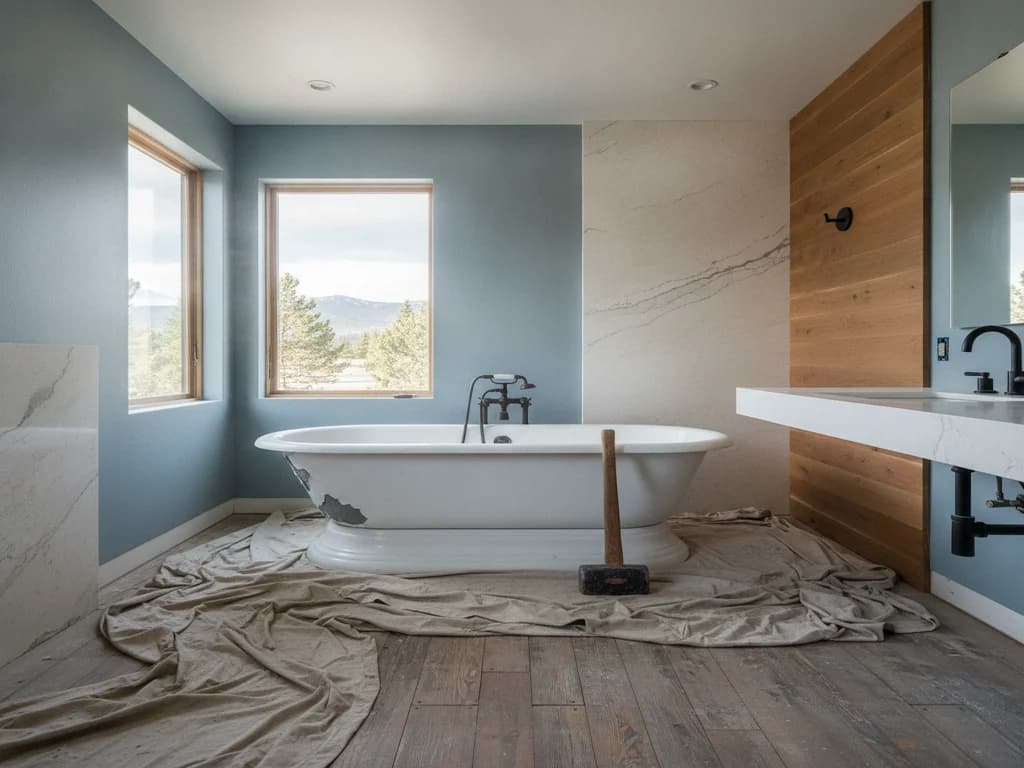
Weight also drives labor on both ends of the project. Getting a cast iron tub up a staircase and around corners takes a crew and planning; getting an old one out is usually not carrying at all but breaking — old cast iron tubs are typically shattered in place with a sledge and removed in pieces, which is loud, real work covered in our cast iron tub replacement guide.
An acrylic tub sidesteps all of it: sixty to a hundred pounds, two installers, any floor in the house, no structural questions. For upper-floor installs, that alone settles the decision for many projects.
Budget the structure check before you order the tub
If a cast iron soaker is going onto a wood-framed floor, have the framing evaluated during design — not on install day. Discovering that joists need reinforcement after a 400-pound tub is sitting in your garage turns a line item into a change order. On slabs, skip the worry.
Durability and how each one ages
Porcelain enamel over iron is the most durable surface ever put on a bathtub. It resists scratching, staining, and every cleaner on the shelf, which is why century-old tubs still hold a shine. Its one weakness is impact: drop something heavy and the glass coating can chip, exposing iron that rusts if left bare. Chip repairs exist, and full refinishing can buy an aging enamel surface a few more years — but refinishing is a coating, not a restoration, and it is the beginning of the end for a tub that gets daily use.
Acrylic ages differently. The surface is softer — abrasive powders and stiff brushes will dull it, and a dropped tool can gouge it — but the damage story is friendlier: light scratches polish out with plastic polish, deeper gouges take color-matched filler, and the repair happens in place. The failure that actually retires acrylic tubs is structural, in thin builder-grade shells that flex until they crack; a well-made acrylic tub routinely serves 20 to 30 years.
Hard water — a fact of life across the Treasure Valley — is gentler on both than on plain fiberglass, but mineral film shows on any glossy surface. Enamel tolerates aggressive descaling; acrylic wants non-abrasive cleaners, the same rule that governs acrylic shower units.
Cost direction
Acrylic is cheaper at every step. The tub itself costs less across every category — alcove, drop-in, freestanding — with entry points a fraction of comparable cast iron. Freight is ordinary. Installation is standard two-person work with no structural contingency.
Cast iron carries a premium on all three: the casting costs more to make, several hundred pounds of freight costs more to move, and the install takes a bigger crew plus possible framing work. Per HomeAdvisor, bathtub installation projects broadly run about $1,500–$7,500 including the tub, and cast iron reliably occupies the upper half of whatever configuration you are pricing, before any structural work.
Whether the premium is worth it is a values question, not a math one. A quality cast iron tub is plausibly the last tub the house ever needs; an acrylic tub is a 20-to-30-year fixture you will barely notice serving you. Both are rational buys — see the full materials roundup for how steel, stone, and solid surface bracket them.
Which should you choose?
Match the material to the project:
- Standard remodel, alcove or combo tub: acrylic — the sensible default on weight, warmth, cost, and selection.
- Second-floor bathroom: acrylic, almost always — no framing questions, no heavy-crew install.
- Dedicated soaker who takes long baths and plans to stay: cast iron — the heat mass and solidity are the point, and the premium amortizes over decades.
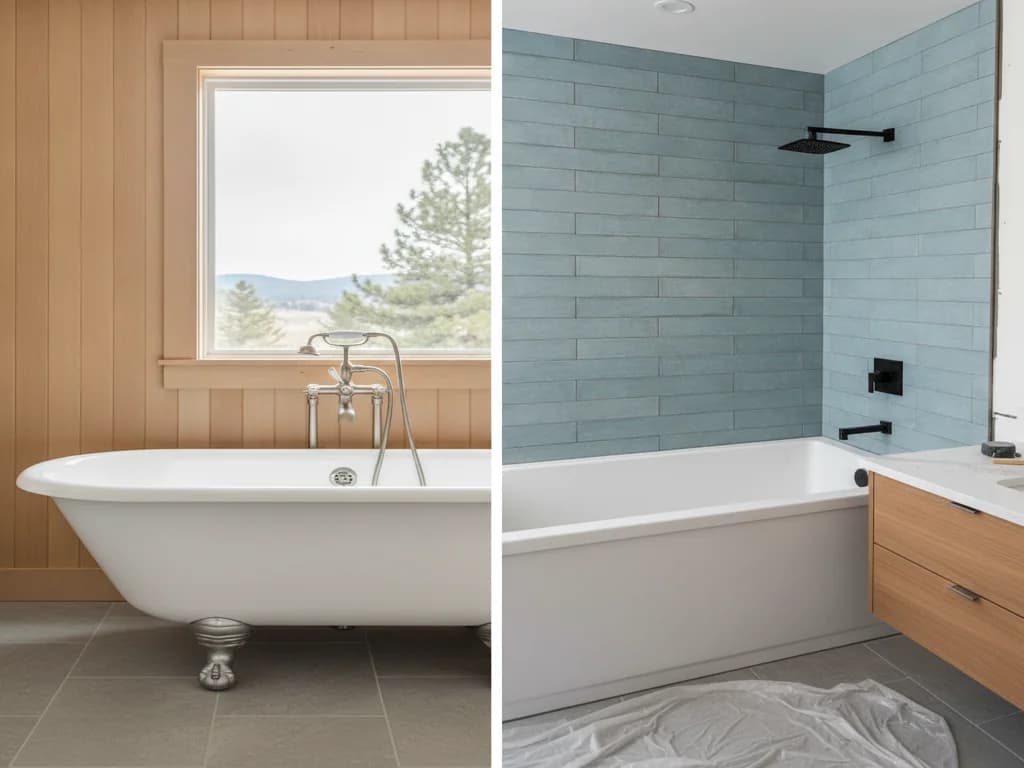
- Design-driven freestanding tub in a master retreat: either — modern acrylic soakers offer more shapes; cast iron offers the classic rolled-rim look and heft. Let the design and the floor decide.
- Rental or flip: acrylic — durability-per-dollar and easy install; save the romance for your own house.
- Replacing an existing cast iron tub: budget the demolition honestly — breaking out the old tub is a real line item regardless of what replaces it.
Ready to plan your Boise bathroom?
Licensed & insured · 3-year workmanship warranty
Frequently asked questions
- Which keeps bath water hot longer, cast iron or acrylic?
- Over a long soak, cast iron — once the iron mass warms up, it radiates heat back into the water and holds temperature impressively. But it steals heat at the start: the cold enamel absorbs part of your first fill, while acrylic feels warm immediately and insulates well throughout. For a typical 20-to-30-minute bath the practical difference is small; for hour-long soaks, cast iron pulls ahead.
- How heavy is a cast iron tub, and can my floor support one?
- A standard 60-inch cast iron tub weighs roughly 300–500 pounds empty; filled with water and a bather, the loaded weight can approach 1,500 pounds concentrated in a small footprint. Concrete slabs handle it without question. Wood-framed floors — most second-story bathrooms — should be evaluated during design, and joist reinforcement is sometimes required. An acrylic tub, at 60–100 pounds, raises no structural questions at all.
- Do acrylic bathtubs scratch and yellow?
- Acrylic can scratch — abrasive cleaners and scouring pads are its enemy — but the damage is forgiving: light scratches buff out with plastic polish and deeper gouges accept color-matched repair in place. Quality modern acrylic is UV-stabilized and resists the yellowing that plagued older fiberglass gel coats, though harsh chemistry can dull any finish. With non-abrasive cleaning, a well-made acrylic tub keeps its gloss for decades.
- How long does each type of bathtub last?
- Cast iron is generational: the enamel surface routinely serves 50-plus years, and century-old tubs are still in daily use — its endpoint is usually a chipped or worn enamel surface, since refinishing only buys a few extra years. Quality acrylic typically serves 20 to 30 years, with thin builder-grade shells failing sooner through flex and cracking. Either one outlasts the average time between bathroom remodels.
- Is a cast iron tub worth the extra money?
- It is worth it when the things it uniquely offers matter to you: the silent, rigid, substantial feel, heat mass for long soaks, and a surface that can outlive the house. It is not worth it as a default — the premium spans the tub, freight, install labor, and possibly floor reinforcement, and most households never notice what it bought. Frequent bathers staying long-term: yes. Everyone else: quality acrylic.
Sources
Claims and figures are drawn from the sources above and provided for general guidance; your project may vary. Photography is illustrative of design concepts. For a fixed price on your specific bathroom, request a free estimate.