Updated August 28, 2026 · 7 min read
By Boise Bath — bathroom & shower remodeling in Boise & the Treasure Valley
The short answer
Cement grout is porous, needs periodic sealing, and is easier to install and repair. Epoxy grout is non-porous, resists staining and chemicals, and does not require sealing — but it costs more, sets faster, and is far less forgiving of installation error. Epoxy earns its premium in showers and high-staining areas.
Key takeaways
- Cement-based grout is porous, which is why it absorbs staining and requires periodic sealing to resist water and soil.
- Epoxy grout is a resin system that cures non-porous, so it does not absorb stains and does not need sealing.
- Epoxy resists chemicals and harsh cleaners that degrade cement grout over time.
- The trade-off is installation: epoxy has a short working time and is unforgiving if not cleaned off the tile face promptly.
- Epoxy costs more per unit and takes more labor, so the premium shows up twice on an invoice.
- Cement grout is easier to patch and color-match later; epoxy repairs are harder to blend.
- Epoxy is most worth it on shower floors, wet areas, and light-colored grout lines where staining shows.
- A well-sealed cement grout in a well-ventilated bathroom performs perfectly well — sealing discipline is the deciding variable.
The fundamental difference
Cement-based grout is what most people picture when they think of grout: a cementitious mix, available sanded or unsanded depending on joint width, that cures hard and slightly porous.
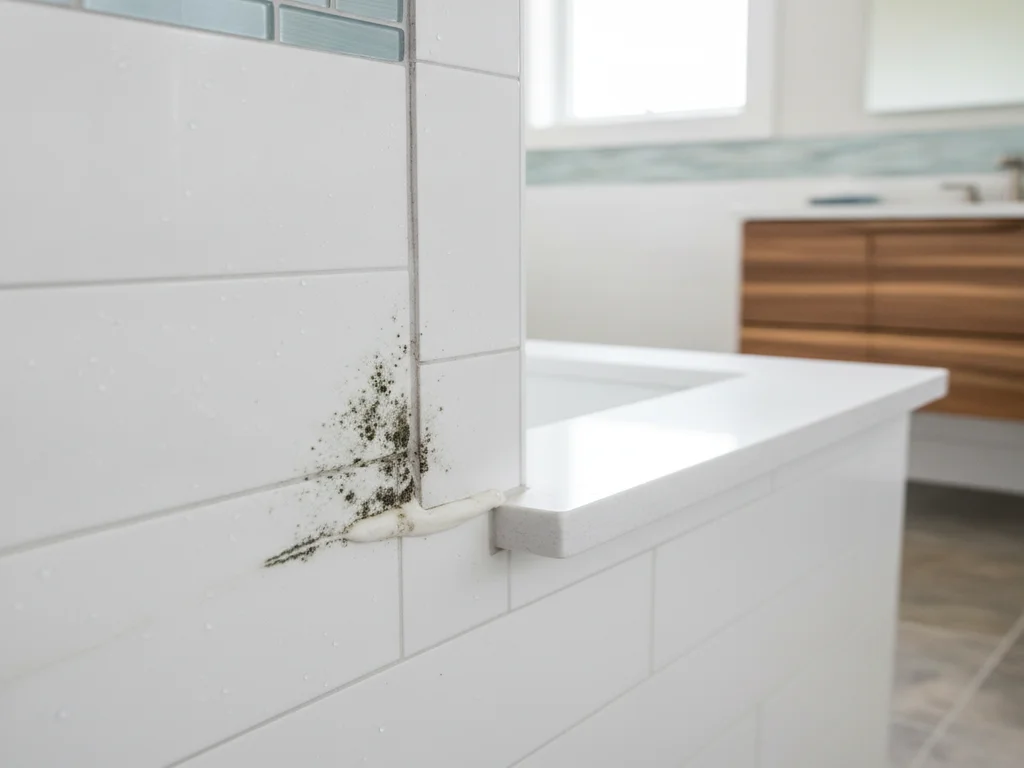
That porosity is the whole story. Porous means absorbent, and absorbent means that water, soap residue, body oils, and anything colored that reaches the grout can soak in rather than sit on top. It is also why cement grout is sealed — the sealer occupies the pore structure so that liquids stay on the surface long enough to be wiped away.
Epoxy grout is a different material entirely: a resin and hardener system that cures into a dense, non-porous solid. Nothing soaks in because there is nowhere for it to go. That single property drives every advantage it has, and it is also why it never needs sealing.
| Property | Cement grout | Epoxy grout |
|---|---|---|
| Porosity | Porous — absorbs liquids | Non-porous |
| Sealing | Requires periodic sealing | None required |
| Stain resistance | Moderate, depends on sealer | High |
| Chemical resistance | Degraded by harsh cleaners | High |
| Installation | Forgiving, longer working time | Short working time, unforgiving |
| Repair / color match | Straightforward | Harder to blend |
| Relative cost | Lower | Higher material and labor |
Why epoxy is not the automatic answer
Given that summary, epoxy sounds like a straightforward upgrade. In practice the installation characteristics complicate it enough that plenty of experienced tile setters still use cement grout for most work.
Epoxy has a short working time. Once mixed, it begins curing on a schedule that does not negotiate, which means it must be worked and cleaned off the tile face promptly. Epoxy left to cure on the surface of tile is genuinely difficult to remove — considerably harder than cement haze — and on textured or porous tile faces it can be close to permanent.
That makes it a material where installer skill matters more than it does with cement grout. A competent job with cement grout and a diligent sealing routine will outperform a rushed epoxy installation with haze locked into the tile texture.
The cost shows up twice, too: the material is more expensive, and it takes more labor to install properly. On a large floor that difference is meaningful.
Where epoxy earns its premium
The case for epoxy is strongest wherever staining is both likely and visible, and where re-sealing is inconvenient.
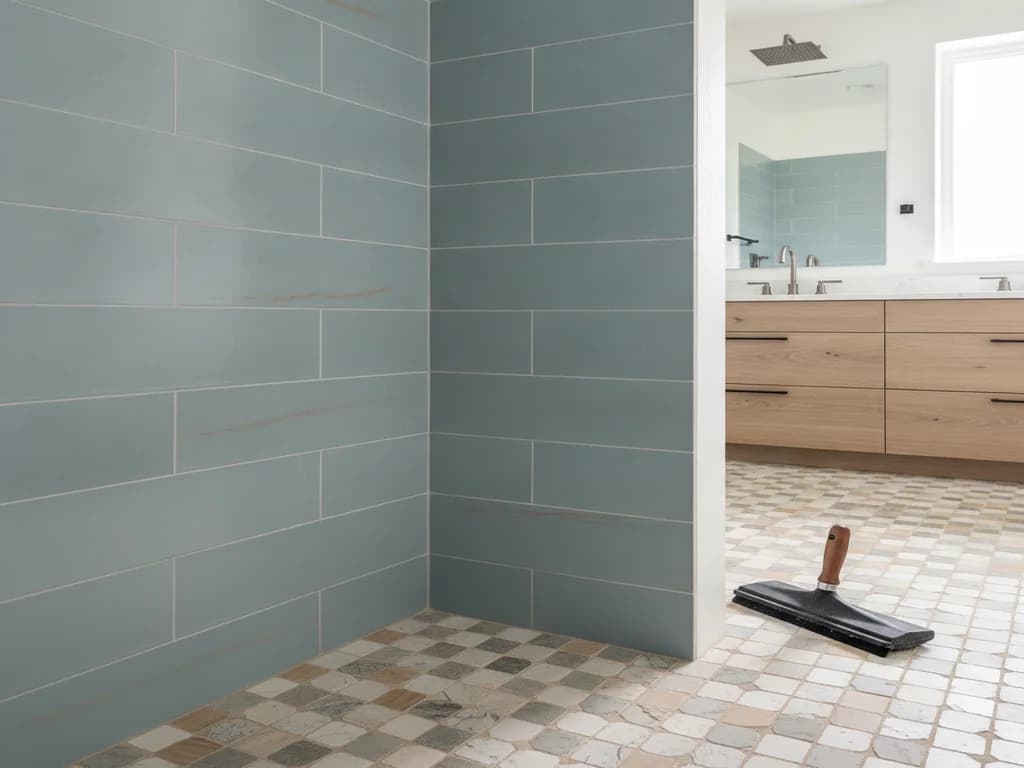
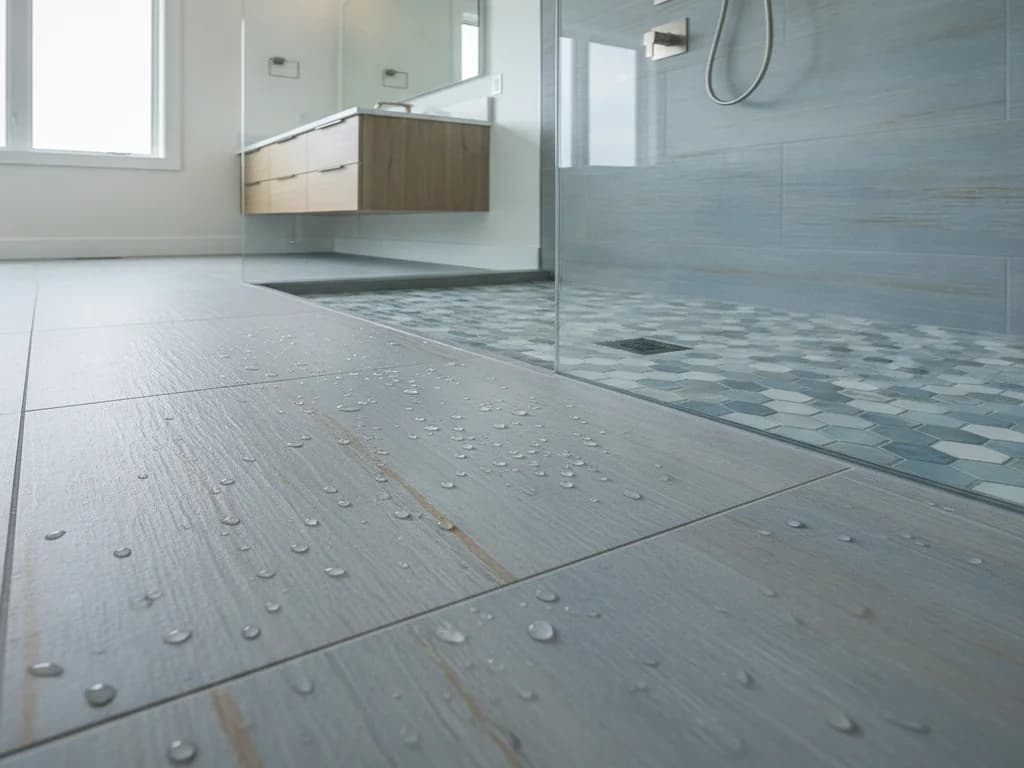
Shower floors are the leading example. They stay wet longest, collect the most soap residue, and in hard-water areas accumulate mineral deposits. They are also usually finished in small-format tile, which means a lot of grout line per square foot — more surface to stain, and more to seal.
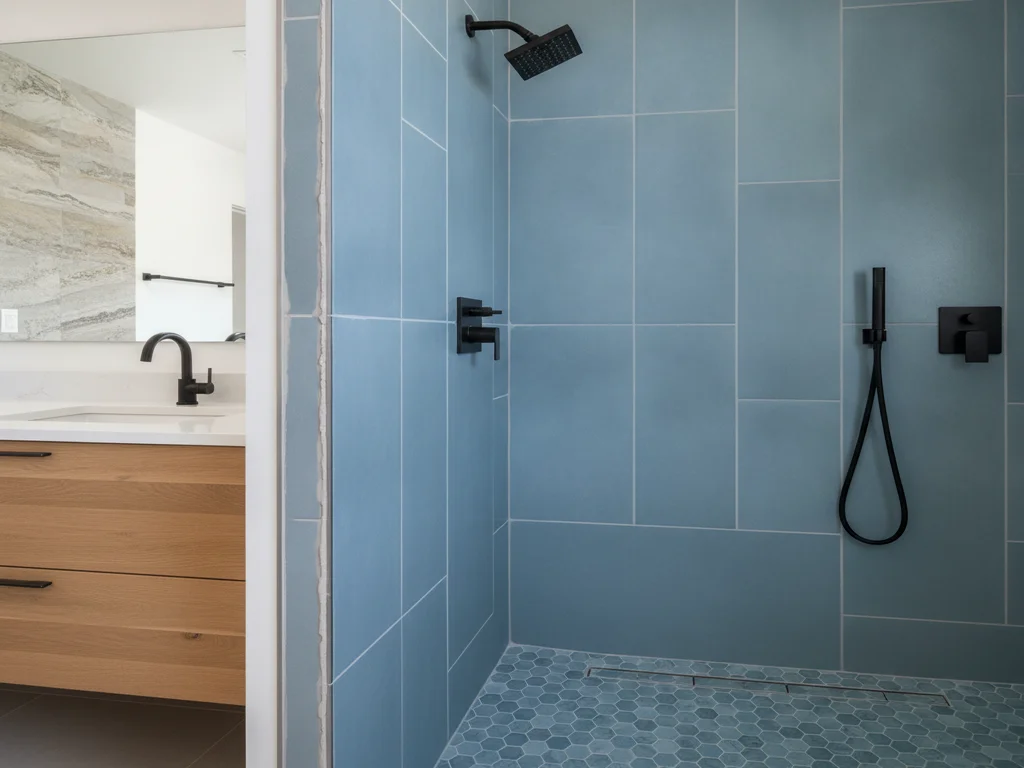
Light-colored grout is the second case. A pale grout line shows everything, and the difference between epoxy and sealed cement becomes visible within a couple of years in a heavily used bathroom. Where a design depends on crisp white grout lines staying crisp, epoxy is doing real work.
Households that clean aggressively are the third. Many effective bathroom cleaners are chemically harsh, and repeated use degrades cement grout and strips sealer faster than most people expect. Epoxy shrugs that off.
A reasonable middle path
Epoxy on the shower floor and wet walls where staining and cleaning pressure concentrate, cement grout elsewhere. It puts the money where the performance difference is visible and keeps the rest of the job straightforward.
The variable that decides it
For most bathrooms, the honest deciding factor is not the material — it is whether anyone will actually maintain sealer.
Cement grout performs well when it is sealed on a sensible schedule. The problem is that sealing is invisible work with no immediate reward, so it is among the first maintenance tasks to lapse. Grout that has not been sealed in six years is functionally unsealed, and that is when staining and discoloration set in.
So the question worth asking is behavioral rather than technical. A household that will re-seal on schedule can use cement grout confidently and save money. A household that knows perfectly well it will never think about grout again is better served paying more once for epoxy in the wet areas and removing the maintenance requirement altogether.
Ventilation belongs in the same conversation. Grout of either type stays cleaner in a bathroom that dries out quickly after use, and an adequately sized, properly ducted exhaust fan does more for long-term grout appearance than the choice between the two materials.
Ready to plan your Boise bathroom?
Licensed & insured · 3-year workmanship warranty
Frequently asked questions
- Is epoxy grout worth the extra cost in a bathroom?
- In wet, high-staining areas — shower floors especially — usually yes, because it never needs sealing and resists the soap residue, oils, and mineral deposits that discolour cement grout. Across a whole bathroom the premium is harder to justify, which is why epoxy in the shower and cement elsewhere is a common compromise.
- Does epoxy grout need to be sealed?
- No. Epoxy cures non-porous, so there is no pore structure for a sealer to occupy and nothing for liquids to soak into. That is its main practical advantage over cement grout, which is porous and relies on periodic sealing to resist staining.
- Why do some tile setters prefer cement grout?
- Because epoxy is unforgiving. It has a short working time and must be cleaned off the tile face promptly — epoxy allowed to cure on tile is far harder to remove than cement haze, and on textured or porous tile faces it can be close to permanent. Cement grout is more forgiving and easier to repair and colour-match later.
- Which grout is best for a shower floor?
- Epoxy makes the strongest case there. Shower floors stay wet longest, collect the most soap residue and mineral deposits, and are usually small-format tile — meaning far more grout line per square foot to stain and seal. It is the one location where most people notice the difference.
- Will cement grout stain if I keep it sealed?
- Well-sealed cement grout in a well-ventilated bathroom performs perfectly well. The practical problem is that sealing is invisible maintenance with no immediate reward, so it commonly lapses — and grout unsealed for years is functionally unsealed. If the routine will not be kept, epoxy in wet areas removes the requirement.
Sources
- Tile Council of North America (TCNA)
- National Tile Contractors Association
- MAPEI — Tile & Stone Installation Systems
- LATICRETE
- Custom Building Products (RedGard)
Claims and figures are drawn from the sources above and provided for general guidance; your project may vary. Photography is illustrative of design concepts. For a fixed price on your specific bathroom, request a free estimate.