Updated July 16, 2026 · 7 min read
By Boise Bath — bathroom & shower remodeling in Boise & the Treasure Valley
The short answer
Choose a bathtub by working through five filters in order: the space (alcove dimensions rule most swaps), the type (alcove, freestanding, drop-in, or walk-in), how you will actually use it, the material's weight and heat retention, and whether your water heater can fill it. A tub your water heater cannot fill is the most common oversight.
Key takeaways
- Measure first: the standard alcove is 60 by 30 to 32 inches, and staying inside your existing footprint keeps a tub swap from becoming a remodel.
- Type is the structural decision — alcove, freestanding, drop-in, or walk-in — and it determines plumbing location, surround work, and cost more than any styling choice.
- Buy for how you actually bathe: a daily-shower household needs a durable combo tub, not a sculptural soaker that collects dust.
- Weight is tub plus water plus bather — water alone weighs about 8.3 pounds per gallon, so a filled large soaker can put well over 1,000 pounds on the floor structure.
- Your water heater sets a hard limit: a soaking tub that holds more hot water than the tank can deliver will never be filled to the top.
- Material drives feel, weight, and longevity — the full acrylic/fiberglass/cast-iron/stone breakdown lives in our bathtub materials comparison.
Filter 1: The space decides more than you do
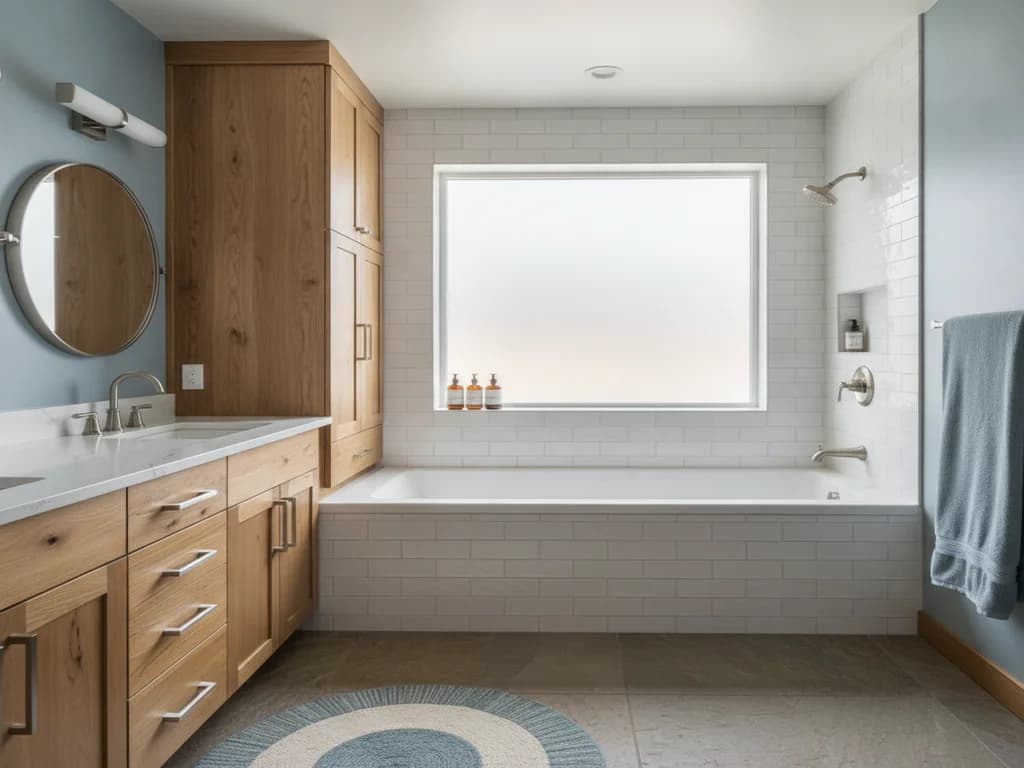
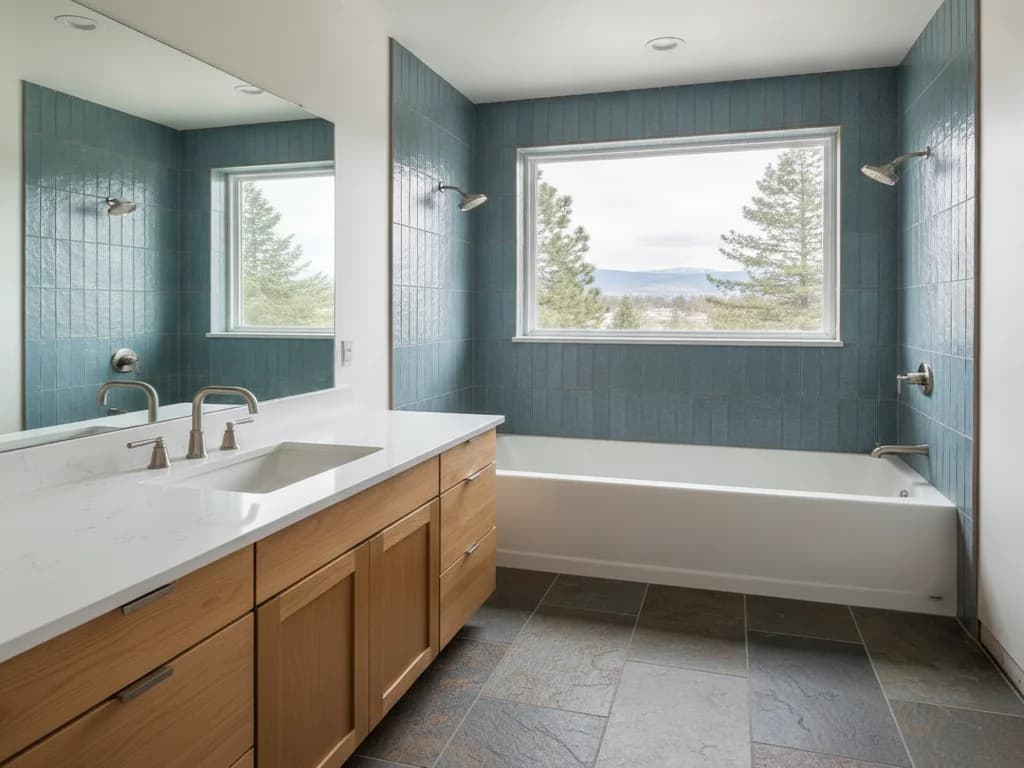
Start with a tape measure, not a wish list. The standard American alcove — three walls, one finished apron side — is 60 inches long and 30 to 32 inches wide, and if that is what your bathroom has, tubs built to that footprint swap in without moving plumbing or rebuilding walls. Step outside the footprint and you are pricing a remodel, not a tub.
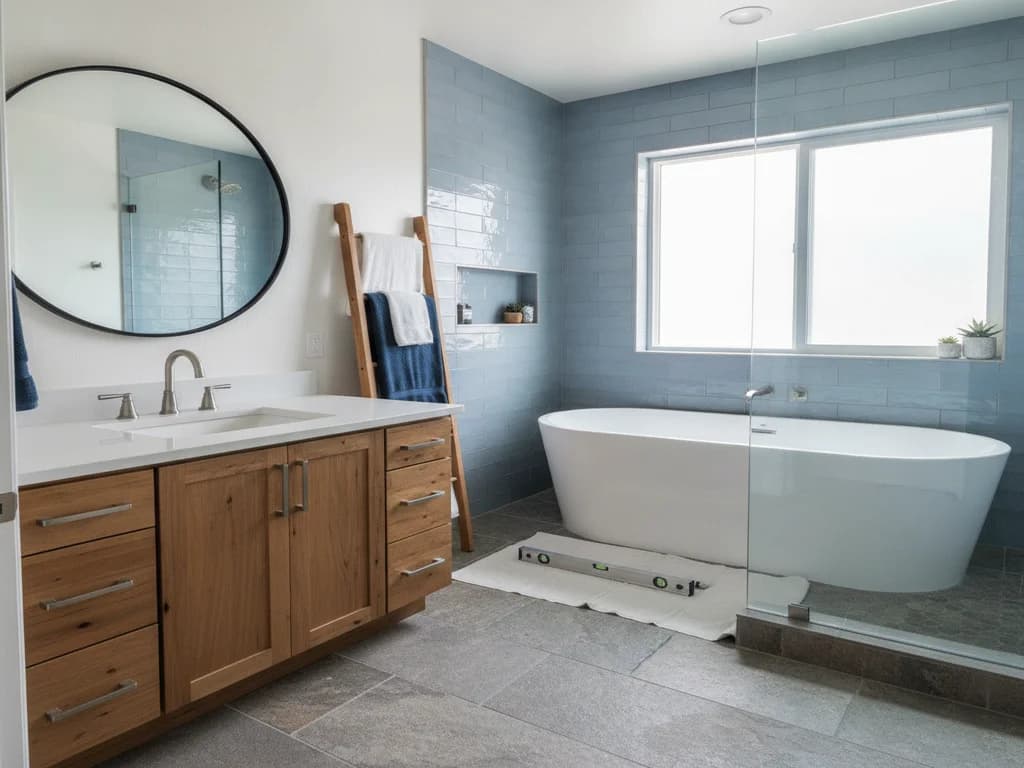
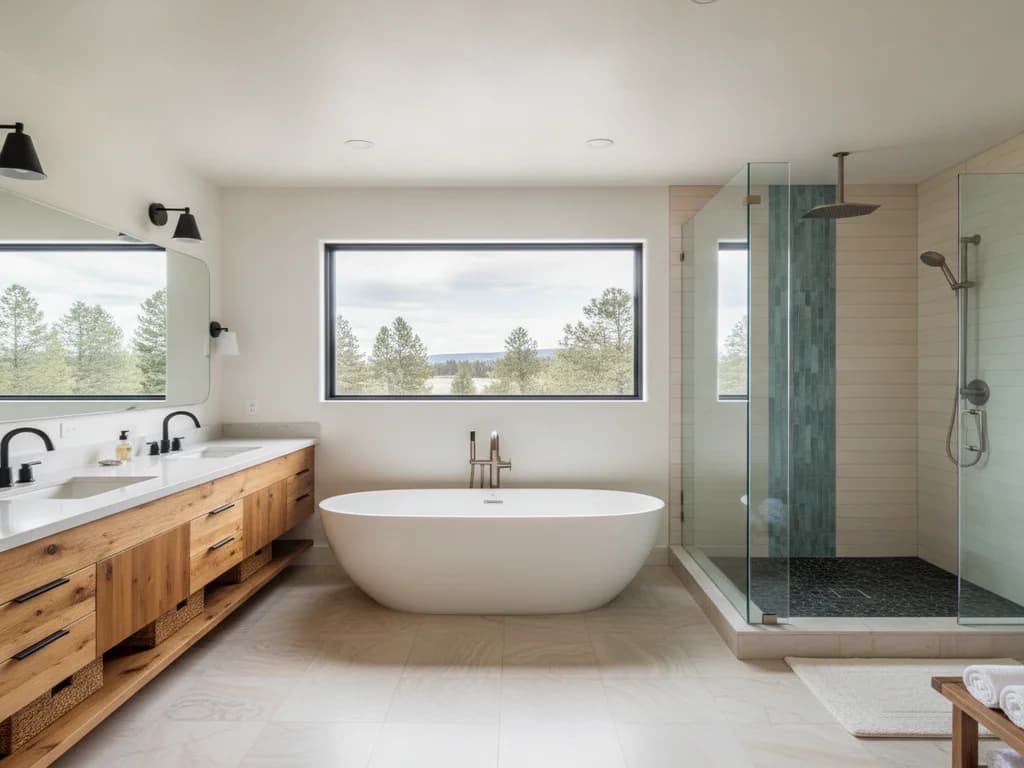
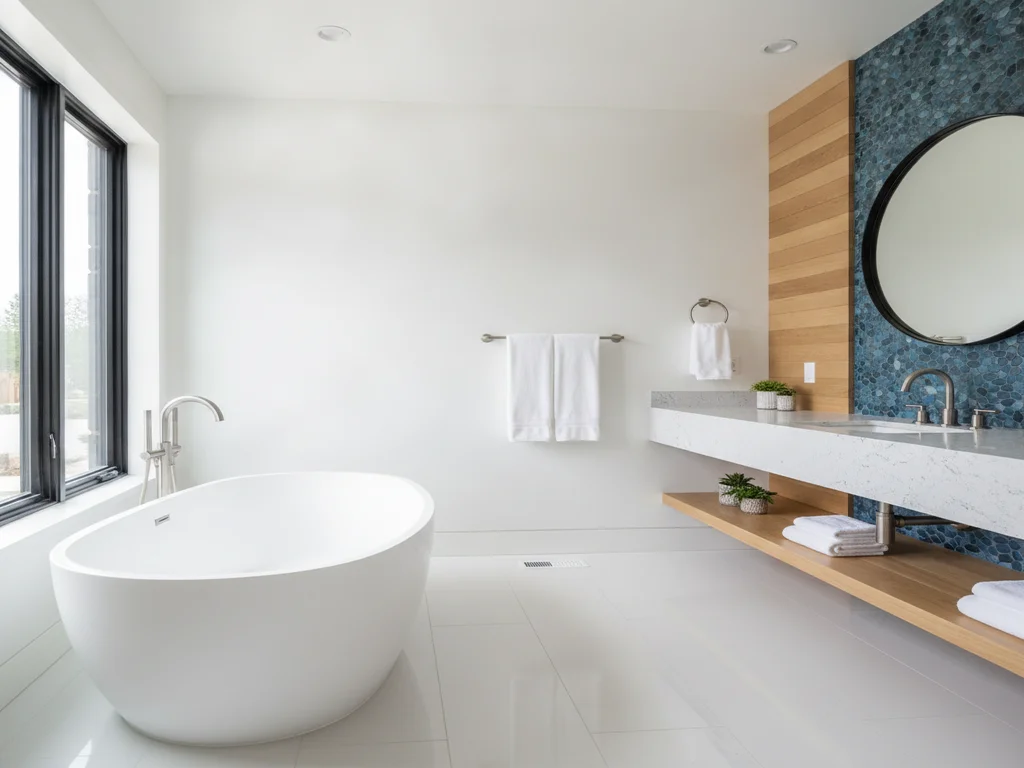
Freestanding tubs need more room than their own dimensions: you want clear space on all display sides — several inches minimum, more to make cleaning behind it humane — plus floor-mounted or wall-routed tub filler plumbing, which is its own line item.
Also measure the path in. A one-piece tub has to turn through your hallway, door, and bathroom entry. Big soakers and cast iron regularly fail the doorway test in older Boise homes, and discovering that on delivery day is expensive.
Filter 2: Pick the type before the tub
Type is the structural decision. It sets where the plumbing lives, what happens to the walls around the tub, and most of the installed cost — so settle it before falling for any specific model.
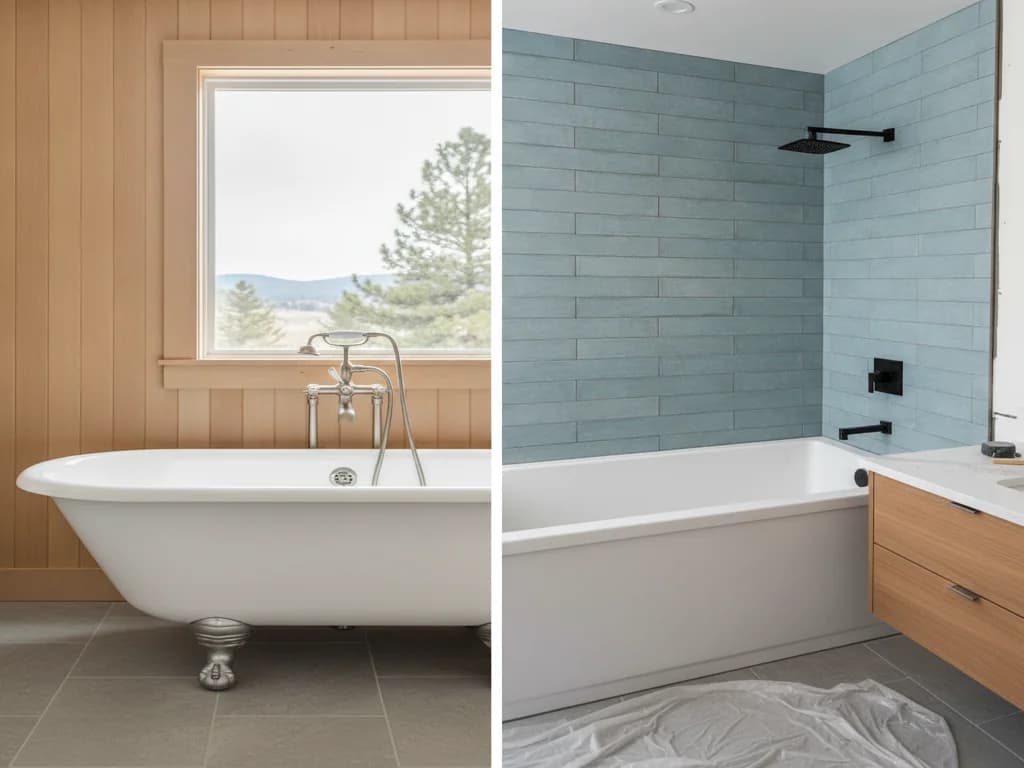
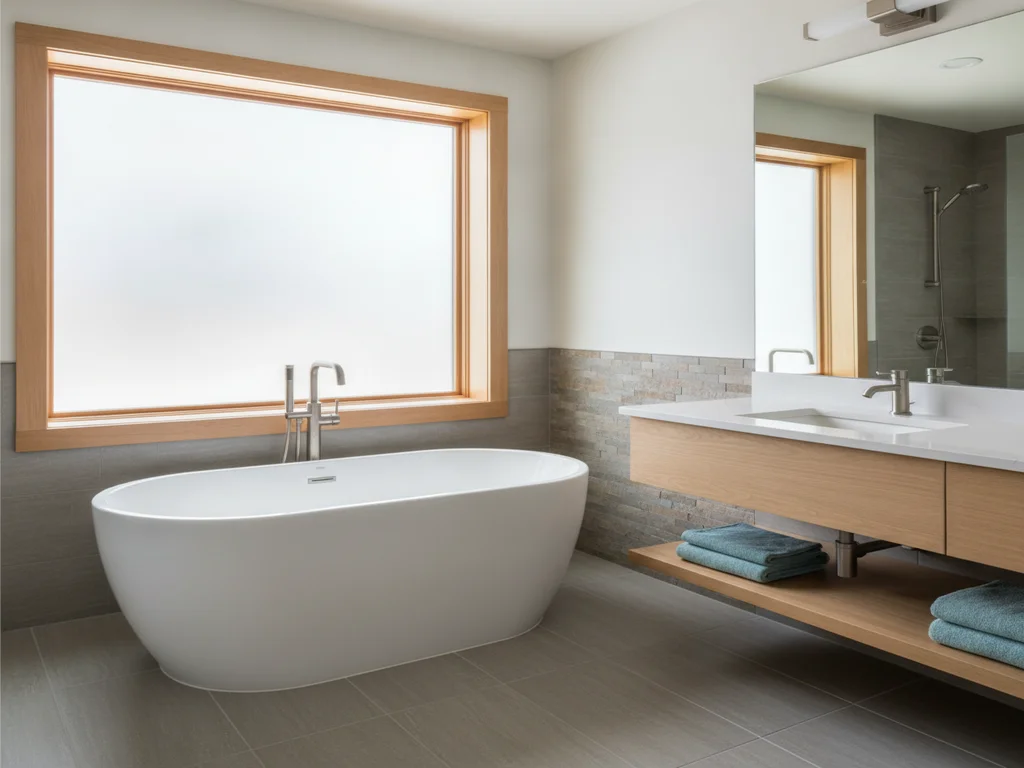
The four types cover nearly every bathroom: alcove (the three-wall standard, best value, natural shower pairing), freestanding (the sculptural centerpiece that needs floor space and dedicated filler plumbing), drop-in or undermount (a tub set into a built deck — the 1990s garden-tub format, still right for some layouts), and walk-in (a door and seat for accessibility, with real trade-offs).
| Type | Footprint | Best for | Watch out for |
|---|---|---|---|
| Alcove | 60" × 30–32" standard | Tub-shower combos, hall baths, straightforward swaps | Limited soaking depth in builder-grade models |
| Freestanding | Tub + clearance on all shown sides | Primary-suite centerpiece, dedicated soaking | Needs floor/wall filler plumbing; hard to pair with a shower |
| Drop-in / undermount | Custom deck, often corner or oversized | Existing garden-tub decks, custom layouts | Deck rebuild costs; dated fast if styled wrong |
| Walk-in | Alcove-sized but taller | Bathing with limited mobility | You sit while it fills and drains; verify water heater capacity |
Filter 3: How will this tub actually get used?
Be honest about the household. If the tub is mostly a shower floor with occasional kid duty, buy a tough, easy-cleaning alcove combo and put the saved money into the shower side — the trade-offs are laid out in tub-shower combo vs. separate tub and shower.
If someone genuinely soaks — weekly, not aspirationally — depth becomes the spec that matters: look at the water depth to the overflow drain, not the shell height. Builder-grade alcove tubs often hold barely 12 inches of water; soaker designs push 14 to 20. This is where freestanding and deeper alcove soakers earn their price.
And if this is the only tub in the house, think twice before eliminating it entirely — the resale angle is covered in should I remove the only bathtub. A household that never bathes may still want one tub somewhere for the next owner.
Filter 4: Material, weight, and what your floor can carry
Material determines how the tub feels, how long it lasts, how it is repaired, and — critically — what it weighs. The short version: acrylic is the versatile mainstream default, fiberglass the budget option with the shortest life, enameled cast iron the heavyweight heirloom, and enameled steel and solid-surface the in-betweens. The full comparison, with honest durability and repair notes, is in bathtub materials compared — read it before locking a model.
For choosing purposes, weight is the number that interacts with your house. Water weighs about 8.3 pounds per gallon, so the load on the floor is tub, plus water, plus bather. An acrylic tub might add 100 pounds empty; cast iron commonly adds 300 to 500. Fill a large soaker with 80 gallons and the whole assembly can exceed 1,000 pounds concentrated on a few square feet.
Standard-sized tubs on sound framing are rarely a problem. The cases that deserve an actual structural look: cast iron or oversized soakers going into upper-floor bathrooms, older homes with undersized or notched joists, and any floor that already bounces underfoot. A contractor can sister joists or add blocking during install — cheap insurance compared to a sagging floor later.
The delivery-day disasters are all preventable
The three most common tub-purchase failures are a tub that cannot physically turn into the bathroom, a floor that needs reinforcement nobody scoped, and a soaker the water heater cannot fill. All three are five-minute checks before you order — and change-orders after.
Filter 5: Can your water heater actually fill it?
Every tub has a capacity to the overflow, and your water heater has a deliverable amount of hot water — roughly two-thirds to three-quarters of the tank size, since incoming cold dilutes the tank as it drains. A typical 50-gallon tank delivers something like 33 to 38 gallons of genuinely hot water before the bath turns lukewarm.
Now read the tub spec: standard alcove tubs hold roughly 40 to 60 gallons to the overflow, and large soakers commonly run 70 to 100 or more. A bath is drawn as a hot-cold mix, which buys back some margin, but the arithmetic is unforgiving — a 90-gallon soaker on a 40-gallon tank will never be filled hot. Sizing math and the tankless option are covered in water heater sizing for luxury showers.
If the dream tub outruns the tank, the fixes are a larger tank, a tankless unit sized for the flow, or a smaller tub. Fold the decision into the project budget up front rather than discovering it during the first cold bath.
A Treasure Valley note: the garden tub decision
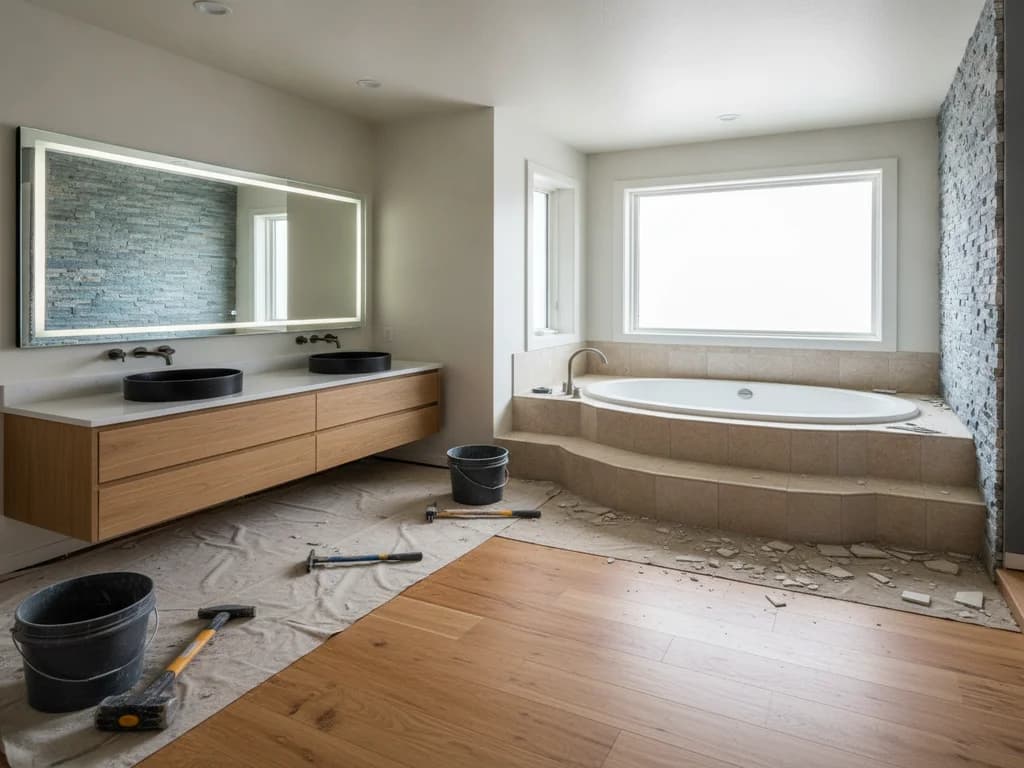
A huge share of 1990s and early-2000s homes across Boise, Meridian, and Nampa came with a corner garden tub on a tiled deck — big, shallow for its size, slow to fill, and, in many households, unused for a decade. If that is your bathroom, the real question is rarely "which new garden tub" — it is whether that deck footprint should become a freestanding soaker, a right-sized alcove, or shower space.
That decision has its own guide: replacing a garden tub covers what the deck teardown involves and what fits the hole afterward. If the tub is leaving entirely, replacing a bathtub with a walk-in shower is the other fork.
Whatever direction you choose, the framework above still runs the show — space, type, use, weight, water — just with a bigger canvas than a standard alcove swap.
From choice to install
Once the tub is chosen, the project is a known quantity: the old tub comes out, the drain and overflow get rebuilt, the new tub is set level in a mortar bed where the manufacturer requires it, and the surround is repaired or replaced. The full sequence — including what pros find behind old tubs — is in replacing a bathtub, and the budget picture is in the bathtub replacement cost guide.
The choosing mistake that costs the most is treating the tub and the surround as separate decisions. If the alcove walls are tired tile or a yellowed surround, replacing both at once costs far less than two separate projects — and it is the only way the waterproofing behind the walls gets done as one system.
What the process looks like
- 1
Measure the space and the path in
Record the alcove or floor area, ceiling height at the tub, and every doorway and turn between the driveway and the bathroom. Staying inside the existing footprint is the single biggest cost lever.
- 2
Choose the type
Alcove for combos and value, freestanding for a soaking centerpiece, drop-in for existing deck layouts, walk-in for accessibility. Type sets the plumbing and wall scope, so lock it before browsing models.
- 3
Define the real use case
Daily showers with occasional baths point to a durable combo tub. Genuine soaking points to water depth — check the depth-to-overflow spec, not the shell height. Kids and pets argue for tough, cleanable surfaces.
- 4
Pick the material with weight in mind
Use our materials comparison to choose the shell, then confirm the loaded weight — tub plus water at 8.3 pounds per gallon plus bather — against your floor structure, especially upstairs or in older framing.
- 5
Run the water heater math
Compare the tub's gallons-to-overflow against roughly two-thirds to three-quarters of your tank size. If the tub wins, budget a bigger tank or tankless unit — or choose a smaller tub.
- 6
Spec the drain, faucet, and surround together
Confirm drain location matches your plumbing (left, right, center), choose the filler the type requires, and decide the surround plan now — tub and walls done together is cheaper and better waterproofed than sequential projects.
Ready to plan your Boise bathroom?
Licensed & insured · 3-year workmanship warranty
Frequently asked questions
- What is the standard bathtub size?
- The standard alcove tub is 60 inches long, 30 to 32 inches wide, and 14 to 20 inches high, which is why so many hall bathrooms swap tubs without wall work. Freestanding tubs commonly run 55 to 72 inches long and need clearance beyond that on every visible side. Measure your alcove wall-to-wall before shopping — some are 54 or 66 inches.
- Can my floor support a cast iron or large soaking tub?
- Often yes on sound modern framing, but verify rather than assume. The working load is tub plus water plus bather — water weighs about 8.3 pounds per gallon, so a filled cast-iron soaker can exceed 1,000 pounds. Upper floors, older homes, and long joist spans deserve a contractor's look; sistering joists or adding blocking during install is a modest line item.
- How many gallons does a bathtub hold?
- Standard alcove tubs hold roughly 40 to 60 gallons filled to the overflow drain, while large soaking and freestanding tubs commonly run 70 to 100 gallons or more. The number that matters for daily comfort is water depth to the overflow — builder-grade tubs often allow barely 12 inches of water, while true soakers reach 14 to 20 inches.
- Do I need a bigger water heater for a soaking tub?
- Run the math before assuming either way. A tank delivers roughly two-thirds to three-quarters of its size in usable hot water, so a 50-gallon tank supports tubs into the 50–60 gallon range once you account for the cold-water mix. Beyond that, a larger tank or a properly sized tankless unit belongs in the project budget — our water heater sizing guide covers the details.
- Can I put a freestanding tub in a small bathroom?
- Sometimes — compact freestanding models run as short as 55 inches — but the tub needs breathing room on every visible side plus dedicated floor- or wall-mounted filler plumbing, and pairing one with a shower is awkward. In a genuinely small bathroom, a deep alcove soaker usually delivers more actual bathing for less money; our guide to freestanding tubs for small bathrooms walks the options.
- How much does a new bathtub cost installed?
- The shell itself spans a huge range — from a few hundred dollars for fiberglass and basic acrylic alcove tubs to several thousand for cast iron, solid-surface, and designer freestanding models, per HomeAdvisor cost data. Installed cost depends mostly on what happens around the tub: surround work, plumbing changes, and any structural prep. Full numbers live in our bathtub replacement cost guide.
Sources
Claims and figures are drawn from the sources above and provided for general guidance; your project may vary. Photography is illustrative of design concepts. For a fixed price on your specific bathroom, request a free estimate.