Updated July 16, 2026 · 8 min read
By Boise Bath — bathroom & shower remodeling in Boise & the Treasure Valley
The short answer
Replacing bathroom plumbing means renewing the supply lines, drain and vent piping, and shutoff and mixing valves — almost always during a remodel, when walls and floors are already open. Whole-home repipes run roughly $1,500 to $15,000 per HomeAdvisor, and a single bathroom is a fraction of that. Age, material, and leak history decide whether it is worth doing.
Key takeaways
- A bathroom "repipe" has three layers: pressurized supply lines, gravity drain-waste-vent piping, and the valves — each ages on its own schedule.
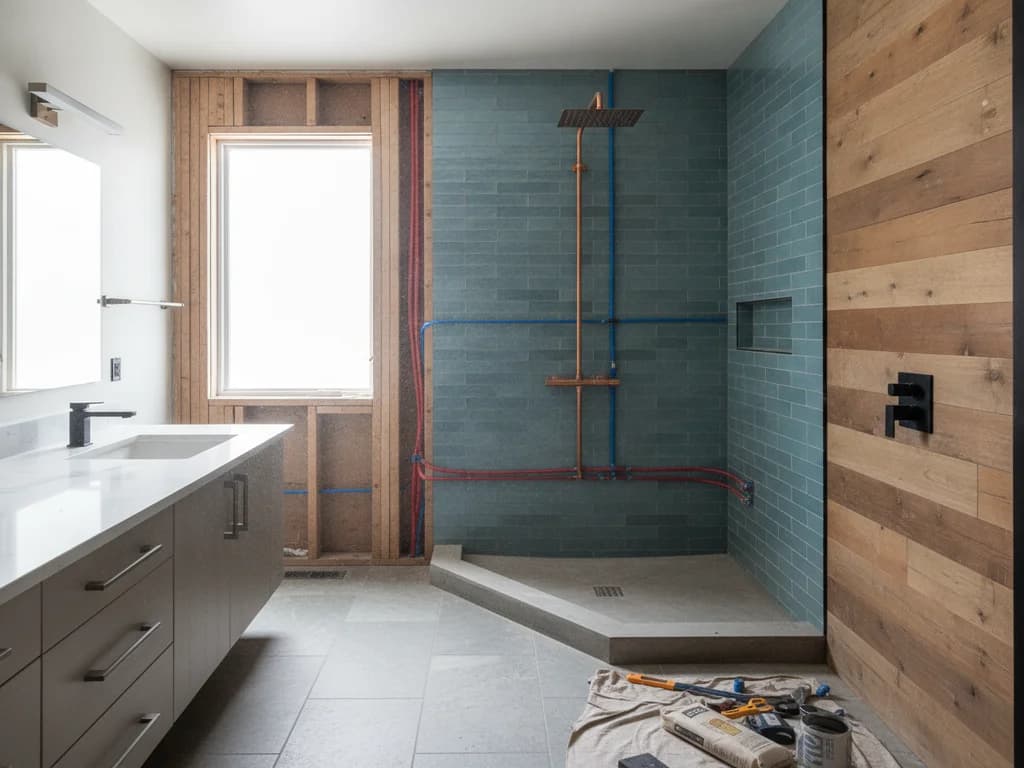
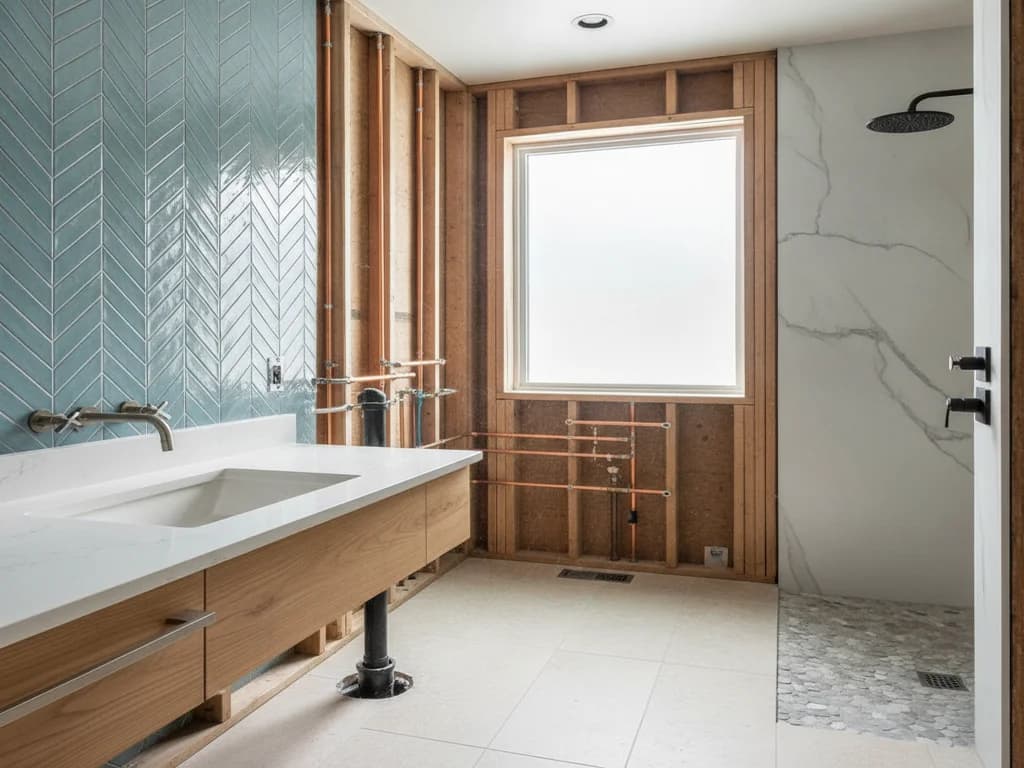
- The walls-open moment is the whole economics: plumbing replacement that costs little during a remodel costs full demolition and refinish prices as a standalone job.
- Pipe material tracks the home's era — galvanized steel in pre-1960s homes, copper through the mid-decades, and PEX dominating since the 2000s.
- Whole-home repipes run roughly $1,500 to $15,000 depending on size and material, per HomeAdvisor; a one-bathroom scope during a remodel sits well below that.
- Drains and vents matter as much as supply — an undersized or unvented drain is why old bathrooms gurgle, drain slowly, and smell.
- Plumbing replacement is permitted, licensed-trade work in Boise and surrounding cities — it is inspected work, not a handyman line item.
What “replacing bathroom plumbing” actually includes
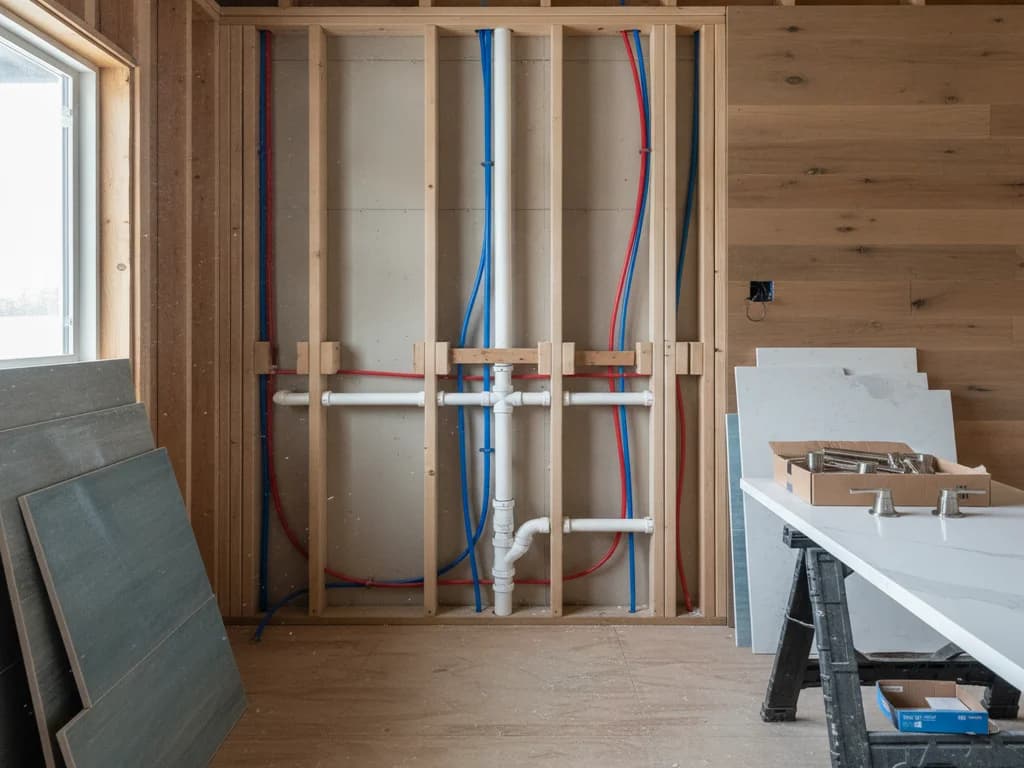
When contractors talk about replacing a bathroom’s plumbing, they mean up to three distinct systems. The supply side: the pressurized hot and cold lines feeding the sink, toilet, tub, and shower. The DWV side: the drain, waste, and vent piping that carries water out and lets air in so traps do not siphon. And the valves: the shutoffs at each fixture and the mixing valve buried in the shower wall.
Those systems fail on different clocks. Supply lines fail by corrosion and pinhole leaks. Drains fail by buildup, bellying, and joint failure. Valves fail by seizing — the shutoff that will not turn after twenty years untouched is a Treasure Valley classic. A full repipe renews all three; a scoped replacement might renew only the layer that is actually at risk.
What it does not automatically include is relocation. Moving fixtures to new positions is a design decision with its own cost logic, covered in bathroom plumbing relocation costs. Replacement, by contrast, renews the pipes serving the layout you already have.
How to know the plumbing is due
Age and material are the first read. A home’s plumbing generally matches its era: galvanized steel supply lines in pre-1960s houses, copper through the mid-century decades into the 1990s, and PEX dominating new Treasure Valley construction since the 2000s. Boise’s older neighborhoods — the North End, the Bench, early Nampa and Caldwell — are where original galvanized still turns up, and that material has a well-earned reputation for corroding shut from the inside. We cover how to identify it and its failure pattern in depth in a dedicated guide to galvanized plumbing in older Boise homes.
Symptoms fill in the rest of the picture: rusty or discolored water on first draw, pressure that has faded over years (a pipe problem, distinct from the fixture-level causes), a history of pinhole leaks in copper, slow drains that resist cleaning, gurgling after flushes, or sewer smell that comes and goes — the signature of a venting problem, not a cleaning problem.
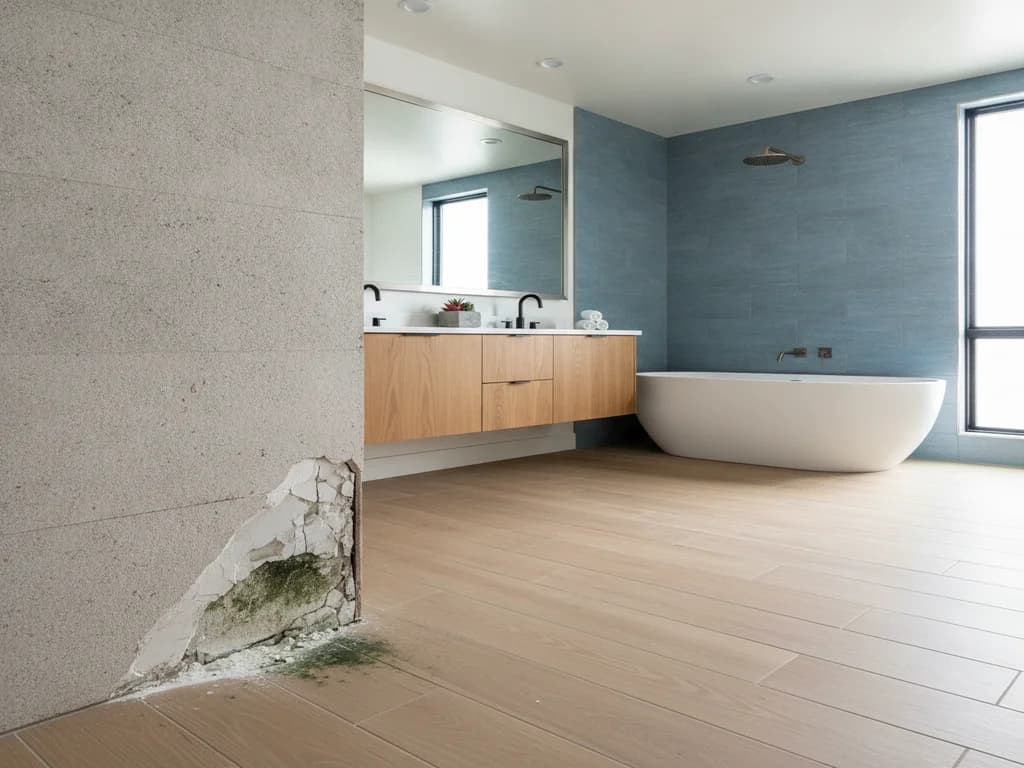
The tell that should never be ignored is repetition. One leak is an event; the second leak in the same aging system is a pattern, and every leak after that is a scheduled appointment with water damage. Repiping after the third emergency costs the same as repiping after the first — minus the drywall, flooring, and drying bills in between.
| Material | Typical era | How it ages |
|---|---|---|
| Galvanized steel | Pre-1960s | Corrodes shut internally; rusty water, fading pressure, leaks at threads |
| Copper | 1950s–1990s | Long-lived; pinhole leaks in aggressive water, failing solder joints with age |
| CPVC | 1980s–2000s | Becomes brittle with age; cracks at fittings when disturbed |
| PEX | 2000s–today | Flexible, fewer joints, freeze-tolerant; the default in modern repipes |
Why the remodel is the moment that changes the math
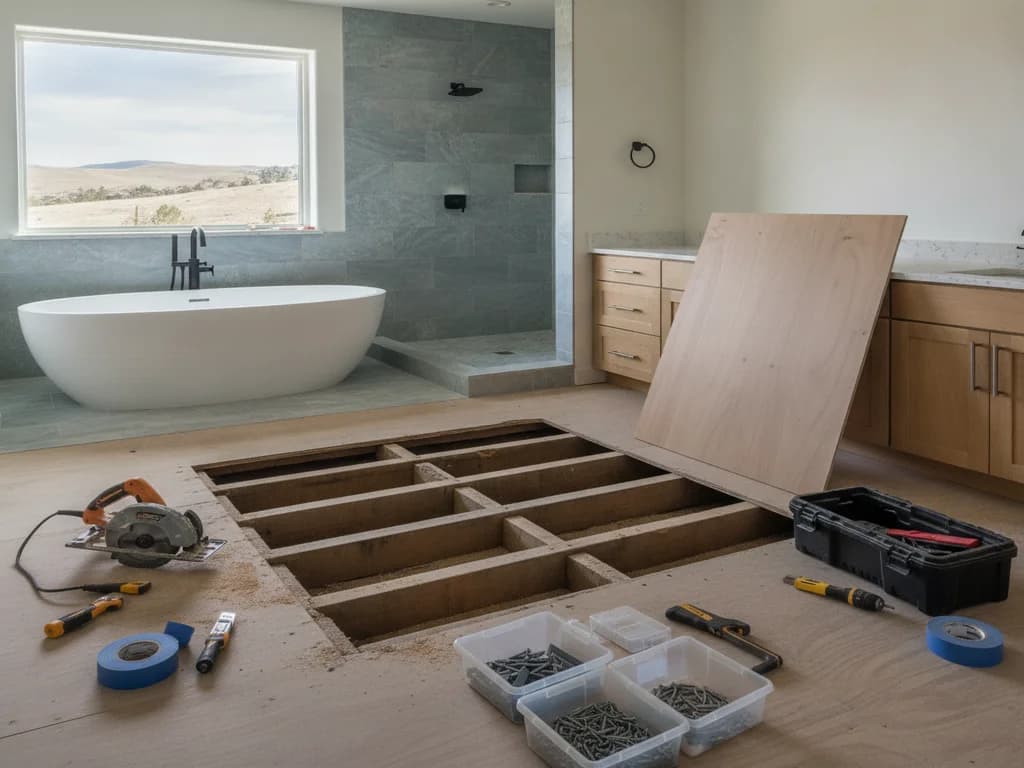
Standalone plumbing replacement carries a hidden second invoice: getting to the pipes. Walls opened, tile broken, flooring pulled — then all of it rebuilt and refinished. In a full bathroom remodel, every one of those costs is already in the project. The demolition is happening, the walls are open, and the finish work is budgeted.
That is why remodel-time repiping is the single best plumbing value most homeowners ever see. As a data point for the ceiling, whole-home repipes run roughly $1,500 to $15,000 depending on home size and material, per HomeAdvisor — and a one-bathroom scope, with access already free, sits at a small fraction of that range. Angi’s cost guides show the same shape: access and restoration, not pipe, drive standalone plumbing prices.
The reverse decision is the one that stings. Closing brand-new tile over sixty-year-old supply lines means the bathroom’s prettiest surfaces are the first casualty of the next leak. If the material behind the walls is at or past its era, replacing it during the remodel is not gold-plating — it is protecting the remodel.
Never tile over a question mark
The most expensive plumbing in any bathroom is the aging pipe sealed behind new tile. Before walls close, the supply material, drain condition, and shower valve should all be either verified sound or replaced — a one-day decision during a remodel that becomes a demolition project after it.
The supply side: what gets installed today
Modern bathroom repipes overwhelmingly land on PEX for supply lines, with copper as the premium alternative. PEX runs in continuous lengths with far fewer joints — and joints are where pipes leak — tolerates Boise’s hard freezes better than rigid pipe, and is not attacked by the mineral content that Treasure Valley’s moderately hard water carries; the USGS classifies most of the region’s water as hard to very hard, which working plumbers here spend their careers around.
A proper supply-side replacement includes the unglamorous parts that pay off for decades: new quarter-turn shutoff valves at every fixture (the kind that still work in year twenty), a new pressure-balanced or thermostatic shower valve behind the wall, and correctly sized lines so the shower does not flinch when the toilet refills.
The shower valve deserves its own sentence because it is the one component sealed behind tile. Replacing it during any wall-open moment is standard practice — the full picture of that assembly lives in replacing shower plumbing.
The drain and vent side: the half everyone forgets
Supply lines get the attention because they fail loudly, but the drain-waste-vent system decides how a bathroom actually behaves. Old cast-iron and steel drains rough up internally and catch everything; undersized or corroded drains give you the tub that empties in geologic time; and missing or clogged vents produce the gurgle, the slow flush, and the phantom sewer smell that no amount of cleaning fixes.
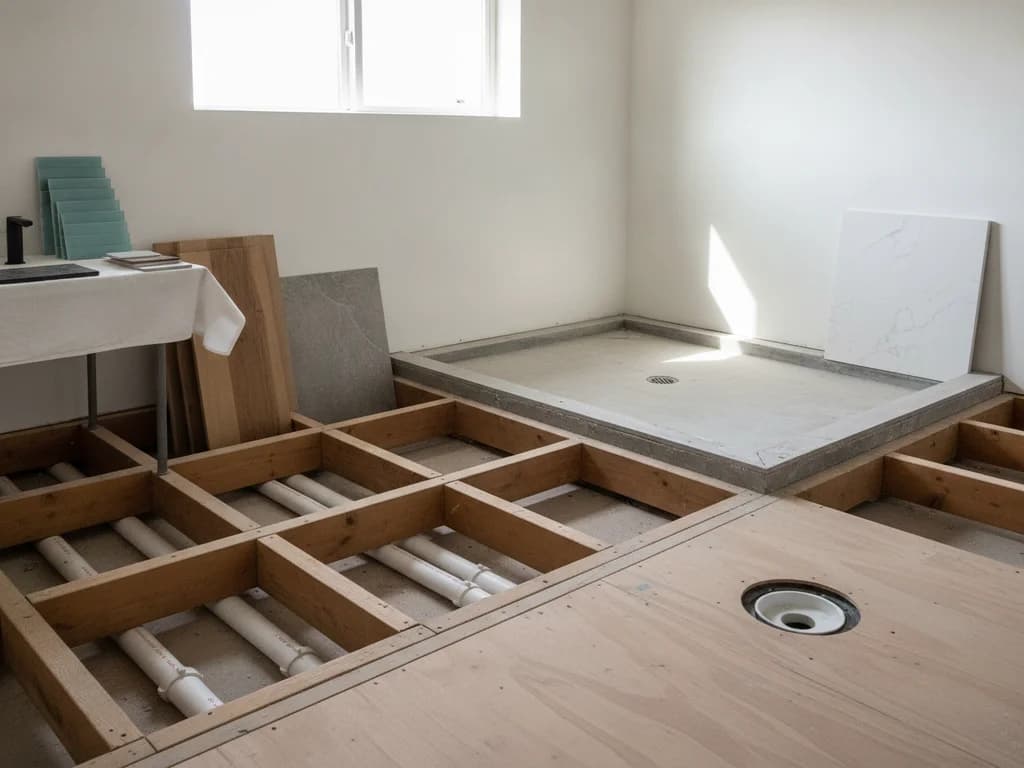
Remodel-time DWV work typically means replacing accessible sections with PVC or ABS, correcting slope on runs that were never right, renewing the trap arms, and verifying the venting actually meets code rather than the previous owner’s imagination. Where a toilet or tub is being reset anyway, the connections beneath get renewed as a matter of course — the same logic covered in replacing a toilet and its flange inspection.
In older homes, this is also where structural surprises appear: notched joists, rotted subfloor around long-leaking drains, and improvised past repairs. Finding that with the floor already open is the good version of the story — replacing the bathroom subfloor covers what happens when water got there first.
Permits, licensing, and how the work actually runs
Plumbing replacement is permitted, inspected, licensed-trade work — in Boise through Planning & Development Services, with equivalent processes in Meridian, Nampa, and the surrounding cities, and plumbing licensure administered at the state level through the Idaho Division of Occupational and Professional Licenses. Inside a remodel, the plumbing permit rides along with the project’s permit package rather than being a separate errand; the permit landscape is less painful than its reputation.
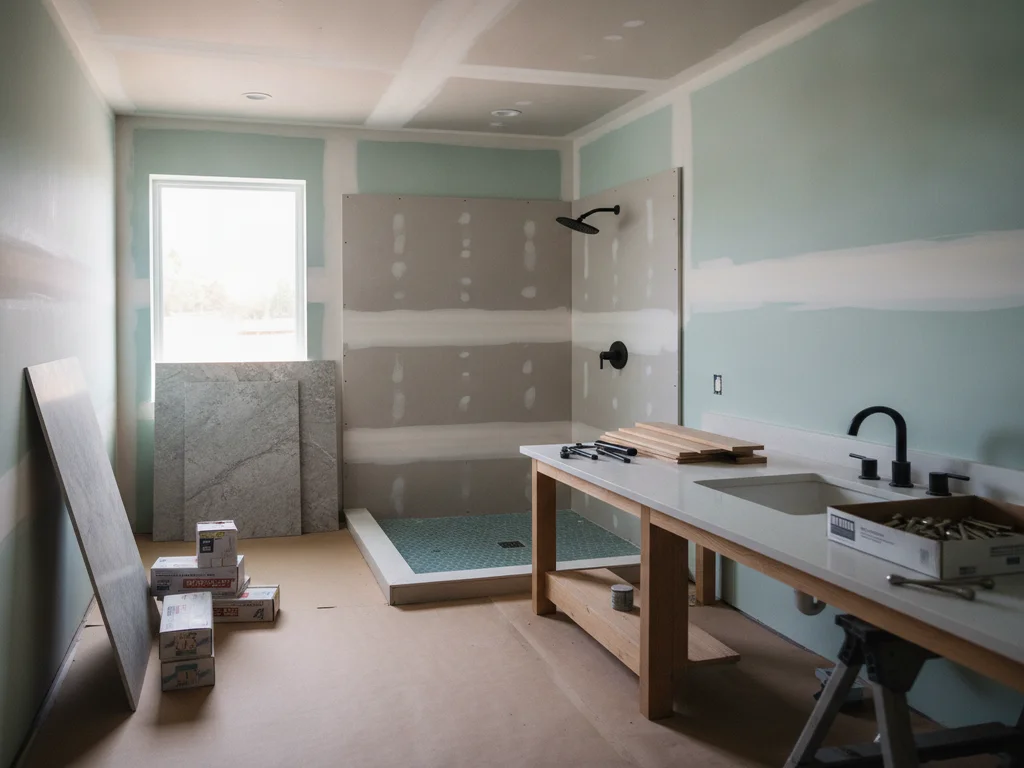
Practically, a bathroom-scope repipe during a remodel adds surprisingly little disruption: the plumbing rough-in happens after demolition and before walls close, water is typically off for hours rather than days, and the rough-in inspection happens before insulation and drywall — which is exactly the sequence protecting you, since the work is verified while it can still be seen.
What the process looks like
- 1
Assess the existing system
With demolition done and walls open, the plumber identifies supply material and condition, inspects drains and venting, and tests the shutoffs and shower valve — turning assumptions about the home’s era into a verified scope.
- 2
Define the replacement scope
The findings sort into replace-now, replace-if-touched, and sound — with anything that will be sealed behind tile held to the strictest standard, since that is the work with no second chance.
- 3
Pull the plumbing permit
The plumbing scope is permitted through the city — folded into the remodel’s permit package — so the rough-in gets inspected before anything closes.
- 4
Rough in the new supply lines
Old supply lines are cut back to sound pipe at the connection point and new PEX or copper is run to each fixture, with new quarter-turn stops and a pressure-balanced shower valve set at correct heights.
- 5
Renew drains, traps, and vents
Accessible drain sections are replaced, slope is corrected, trap arms and connections are renewed at every fixture being reset, and venting is brought to code so the bathroom drains quietly and completely.
- 6
Pressure-test and pass rough-in inspection
The new system is pressure-tested for tightness and the city inspector signs off on the rough-in while every joint is still visible — the checkpoint that makes remodel-time plumbing trustworthy.
- 7
Set fixtures and verify under real use
After walls, waterproofing, and tile, fixtures are set and connected, then everything runs under real conditions — simultaneous draws, full drains, hot-water response — before the job is called done.
Ready to plan your Boise bathroom?
Licensed & insured · 3-year workmanship warranty
Frequently asked questions
- How much does it cost to replace the plumbing in a bathroom?
- As a ceiling, whole-home repipes run roughly $1,500 to $15,000 depending on size and material, per HomeAdvisor — and a single bathroom is a fraction of that, especially during a remodel when walls are already open and no demolition or refinishing lands on the plumbing budget. Standalone, the same work costs multiples more because access and restoration dominate the bill.
- Should I replace the plumbing during a bathroom remodel?
- If the supply lines are galvanized, the home has a leak history, or the shower valve and shutoffs are decades old — yes, almost without exception. The walls are open, the trades are on site, and the incremental cost is the lowest it will ever be. If the system is modern PEX or healthy copper, verification is enough; the point is deciding from evidence with the walls open, not hope with them closed.
- Is PEX or copper better for a bathroom repipe?
- PEX is the default in modern repipes for good reasons: continuous runs with fewer joints, better freeze tolerance in cold snaps, immunity to the corrosion and mineral scaling that hard water inflicts on metals, and lower installed cost. Copper remains an excellent premium option with a long track record. Most Treasure Valley repipes land on PEX; either one, properly installed and inspected, outlasts the tile in front of it.
- How do I know if my house still has galvanized pipes?
- Era is the first clue — homes built before about 1960, common in Boise’s older neighborhoods, often started with galvanized steel. Symptoms are rusty or discolored water on first draw, weak and slowly declining pressure, and leaks at threaded joints. A plumber can confirm at exposed pipe near the water heater or in the crawl space. We cover identification and failure modes fully in our guide to galvanized plumbing in older Boise homes.
- Do I need a permit to replace bathroom plumbing in Boise?
- Yes — replacing supply or drain piping is permitted plumbing work through City of Boise Planning & Development Services or your city’s equivalent, performed by a licensed plumber under Idaho’s state licensing system. Inside a remodel it folds into the project’s permits, and the rough-in inspection before walls close is genuinely in your interest: it is independent verification of work that is about to become invisible.
- Can I replace just the shower plumbing and leave the rest?
- Yes, and it is a common scope — the shower valve and its risers are the components sealed behind tile, so they get replaced whenever that wall is open even if the rest of the system stays. The judgment call is whether the remaining plumbing is genuinely sound or just not currently leaking. An aging system serving a brand-new shower wall is a mismatch worth pricing while everything is accessible.
Sources
- HomeAdvisor — True Cost Guide
- Angi — Cost Guides
- City of Boise — Planning & Development Services
- Idaho Division of Occupational & Professional Licenses
- USGS Water Science School — Hardness of Water
Claims and figures are drawn from the sources above and provided for general guidance; your project may vary. Photography is illustrative of design concepts. For a fixed price on your specific bathroom, request a free estimate.